Author

Jennifer Boyd

Browsing

Some stories don’t have the endings they deserve. Sage Stallone’s story is one of them. Born into one of Hollywood’s most recognisable families, he spent his adult life quietly building something genuinely his own — an identity rooted not in his father’s action movie legacy but in a deep, almost scholarly love for cinema’s forgotten corners. He was a filmmaker, a film preservationist, a founder of a cult film company, and a person whose passion for movies went considerably deeper than his famous last name. And then, at thirty-six, he was gone — leaving behind a creative legacy that deserved decades more time to develop.

For readers looking for a quick answer — Sage Moonblood Stallone was an American actor, director, and film producer born on May 5, 1976, in Los Angeles, California. He was the eldest son of Sylvester Stallone and his first wife Sasha Czack. He is best known for playing Robert Balboa Jr. — Rocky’s son — in Rocky V (1990), and for founding Chaos Productions, a company dedicated to releasing rare and cult horror films. He passed away on July 13, 2012, at the age of 36, from atherosclerotic coronary artery disease. His death was a devastating blow to his family and to the cult film community that had come to know and respect his work.

Quick Facts

Field Details
Full Name Sage Moonblood Stallone
Born May 5, 1976
Birthplace Los Angeles, California, USA
Died July 13, 2012
Age at Death 36
Cause of Death Atherosclerotic coronary artery disease
Father Sylvester Stallone
Mother Sasha Czack
Siblings Seargeoh Stallone (brother); Sophia, Sistine, Scarlet Stallone (half-sisters)
Occupation Actor, Director, Film Producer
Known For Rocky V; Chaos Productions; film preservation
Company Founded Chaos Productions

Early Life: Growing Up as Stallone’s Son

Sage Moonblood Stallone was born on May 5, 1976, in Los Angeles, California — and the world he was born into was already extraordinary.

His father Sylvester Stallone had released the original Rocky just months before Sage’s birth — a film that would go on to win the Academy Award for Best Picture and transform Stallone from a struggling actor into one of the most recognisable faces in the world. By the time Sage was old enough to form memories, his father was a global superstar and the Rocky and Rambo franchises were defining the cultural landscape of the 1980s.

His name — Sage Moonblood — was an unusual choice that reflected a certain artistic sensibility and a desire to give their son an identity that stood apart from the conventional. Sage, meaning wisdom. Moonblood — a more poetic, almost mystical construction. It was not the name of someone whose parents expected him to live an ordinary life.

Growing up in Los Angeles as Sylvester Stallone’s son meant growing up surrounded by the film industry in a way that was simultaneously exciting and complicated. The access was extraordinary — film sets, premiere events, the company of people who made movies at the highest level. But the shadow of an enormously famous parent is also a weight, and finding your own identity inside that shadow requires a particular kind of determination.

Sage had that determination. And he found his own path — not by running from cinema, but by falling in love with it on his own terms.

His Father: Sylvester Stallone
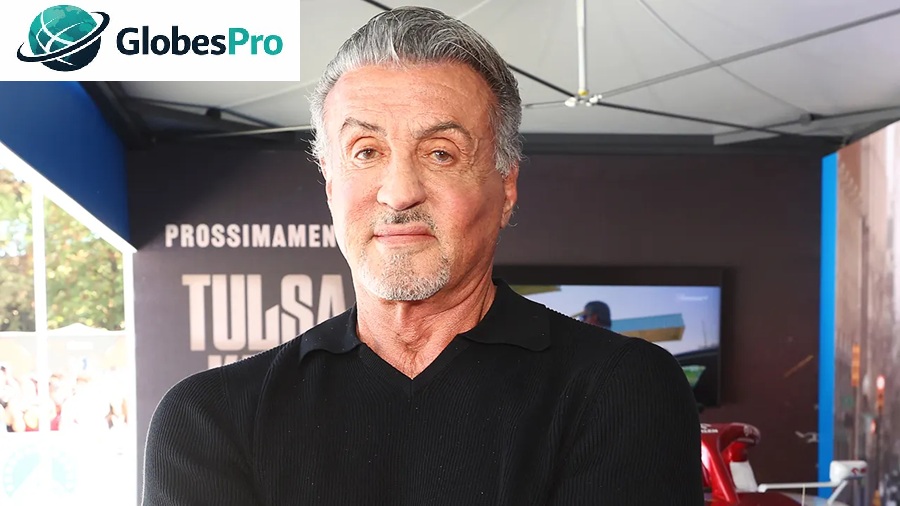
Sylvester Stallone

To understand the context of Sage’s life, you need to understand the man whose name he carried and whose shadow he navigated.

Sylvester Enzio Stallone was born on July 6, 1946, in New York City — the product of a difficult childhood and a relentless personal ambition that eventually produced one of the most unlikely success stories in Hollywood history.

He wrote the screenplay for Rocky in three days, sold it on the condition that he could star in it despite studios wanting an established actor in the lead, and delivered a performance that earned him Academy Award nominations for Best Actor and Best Original Screenplay simultaneously — one of only three people in Oscar history to achieve that distinction.

Sylvester Stallone — Career Highlights Details
Full Name Sylvester Enzio Stallone
Born July 6, 1946 — New York City
Breakthrough Rocky (1976)
Major Franchises Rocky (1976–2006), Rambo (1982–2019), Expendables (2010–2023)
Academy Awards Nominated Best Actor and Best Original Screenplay — Rocky
Rocky Films Rocky I through VI; Creed (as Rocky Balboa)
Other Notable Films Cop Land (1997), Cliffhanger (1993), Demolition Man (1993)
Creed Legacy Continued Rocky universe as trainer/mentor
Personal Married three times; five children

As a father, Stallone has spoken about his relationship with Sage with the kind of raw honesty that only comes from genuine grief. He was not always the most present parent during the peak years of his career — the demands of franchise filmmaking and global stardom made consistent availability difficult. That absence, and the complicated feelings it generated on both sides, was part of the texture of the father-son relationship that Sage navigated throughout his life.

His Mother: Sasha Czack
Sasha Czack

Sasha Czack is a figure who tends to be mentioned briefly in coverage of Sage Stallone and then set aside — which significantly undersells her importance in his story.

Born Sandra Czack in 1950 in Chester, Pennsylvania, Sasha was a photographer and actress who met Sylvester Stallone before his career took off. They married in 1974 — two years before Rocky changed everything — which means Sasha knew and chose Stallone when he was still a struggling, largely unknown actor with more ambition than prospects.

Sasha Czack — Key Facts Details
Full Name Sandra Czack
Born 1950 — Chester, Pennsylvania
Occupation Actress, Photographer
Married Stallone 1974
Divorced 1985
Children Sage Stallone, Seargeoh Stallone
Known For First wife of Sylvester Stallone; mother of Sage and Seargeoh

Their marriage lasted eleven years before ending in divorce in 1985 — a period that covered the entirety of Rocky’s early cultural dominance and the launch of the Rambo franchise. The divorce, when it came, was a significant personal disruption for Sage — who was nine years old at the time and whose family structure was reorganised around the split.

Sasha raised Sage and his younger brother Seargeoh with the kind of grounded values that her own background suggested — not Hollywood glamour, but genuine parental presence and commitment. Her influence on Sage’s artistic sensibility — his love of photography, his eye for detail, his appreciation for the craft behind the image — is visible in the kind of filmmaker and preservationist he eventually became.

His Brother: Seargeoh Stallone

Seargeoh Stallone

Sage’s younger brother Seargeoh Stallone — born in 1979 — was diagnosed with autism in early childhood, a diagnosis that had a significant impact on the entire family.

Sylvester Stallone became a prominent advocate for autism awareness following Seargeoh’s diagnosis — using his public platform to raise awareness and funds for autism research at a time when the condition was considerably less understood and less publicly discussed than it is today.

For Sage, growing up alongside a brother with autism meant growing up with an early understanding of difference, of the complexity of human experience, and of the particular kind of love that asks nothing in return. Those lessons tend to shape people in ways that aren’t always visible on the surface but run deep.

Seargeoh has maintained an extremely private life — far more so even than most Hollywood family members — and very little is publicly known about his adult life.

The Full Stallone Sibling Picture

Sibling Mother Birth Year Notes
Sage Moonblood Stallone Sasha Czack 1976 Eldest; actor/director/producer
Seargeoh Stallone Sasha Czack 1979 Diagnosed with autism; private life
Sophia Rose Stallone Jennifer Flavin 1996 Model; public profile
Sistine Rose Stallone Jennifer Flavin 1998 Model and actress
Scarlet Rose Stallone Jennifer Flavin 2002 Youngest; emerging public profile

Sage was the eldest of five children across two family chapters — and the twenty-year age gap between him and his youngest half-sister Scarlet reflects the sweeping timeline of his father’s personal life.

Acting Career: Rocky V and the Role That Defined Him Publicly

Sage Stallone’s most publicly visible acting role came in 1990 when he played Robert Balboa Jr. — Rocky’s son — in Rocky V.

The casting was not purely nepotistic — Sage genuinely looked the part and brought a natural authenticity to the role that came partly from actually being Sylvester Stallone’s son. The father-son dynamic on screen carried real emotional weight precisely because it was a real father-son relationship being channelled through a fictional one.

The film itself received mixed reviews — it is generally considered the weakest entry in the Rocky franchise — but Sage’s performance was noted positively by reviewers who recognised the genuine chemistry between him and his father on screen.

Sage Stallone — Acting Credits Year Role Notes
Rocky V 1990 Robert Balboa Jr. Most famous role; alongside father
Daylight 1996 Kit Latura’s nephew Supporting role; Stallone film
Vic 2005 Lead role Independent film
Promises Written in Water 2010 Supporting role Vincent Gallo film
Reflections of Evil 2002 Appeared Cult film
Various independent productions 2000s Various Consistent indie work

What the filmography reveals is a consistent pattern — Sage was not chasing mainstream Hollywood stardom. He was making deliberate choices toward independent, artistic cinema that interested him personally rather than projects that would maximise his public profile. That consistent preference for creative authenticity over commercial convenience is one of the most telling things about who he was as a filmmaker.

Chaos Productions: His Real Legacy

If Rocky V is what most people know about Sage Stallone, Chaos Productions is what the film community actually remembers him for — and it is considerably more interesting.

Sage founded Chaos Productions with business partner Wout Thielemans — a company dedicated to releasing, restoring, and distributing rare and cult horror films that would otherwise remain inaccessible to modern audiences. In the world of cult cinema, this was genuinely important work.

The cult film ecosystem operates very differently from mainstream Hollywood. Films get lost. Prints deteriorate. Distribution rights get tangled in legal complications that keep important pieces of cinema history locked away from the audiences who would value them. The people who do the work of finding these films, restoring them, and getting them back into circulation are not glamorous figures — they are passionate archivists operating at the margins of the industry out of genuine love for the material.

Sage Stallone was one of those people.

Chaos Productions Details
Founded By Sage Stallone and Wout Thielemans
Focus Rare and cult horror film distribution
Mission Preserving and releasing inaccessible cult cinema
Significance Genuinely important archival work in cult film community
Reputation Highly respected among film enthusiasts and collectors
Legacy Restored and distributed films that would otherwise be lost

The specific titles that Chaos Productions released — obscure Italian horror films, rare American exploitation cinema, forgotten genre pieces that serious film scholars care deeply about — reflect a knowledge base that goes well beyond casual interest. Sage had done the work. He had watched the films, understood their context, developed the relationships with rights holders and archivists, and built a business around that expertise.

This is not what people expect from a famous actor’s son. It is the work of someone who genuinely loves cinema in its most overlooked corners — and who was willing to build something meaningful around that love rather than taking the easier path his surname made available.

Film Preservation: The Deeper Passion

Behind the Chaos Productions business model was something even more personal — a genuine commitment to film preservation that connected Sage to one of cinema’s most important but least publicly recognised conversations.

Film preservation is a serious and urgent matter. Enormous quantities of cinema history have been lost — to deteriorating nitrate stock, to fires, to simple institutional neglect. The films that survive are often in poor condition, and the work of finding, restoring, and archiving them requires both expertise and resources that are perpetually in short supply.

Sage was known in film collector and preservation circles as someone with genuine knowledge and genuine commitment — not a celebrity dabbling in a hobby, but a serious participant in conversations about how to protect cinema history. He developed relationships with collectors, archivists, and rights holders around the world that reflected years of consistent engagement with the field.

His passion for this work was, by all accounts, completely authentic. Friends and colleagues from the cult film world have consistently described someone who could talk about obscure cinema for hours with infectious enthusiasm — someone for whom the discovery of a previously inaccessible print was a genuine occasion for excitement.

That enthusiasm — combined with the practical infrastructure of Chaos Productions — was producing genuinely valuable results. And then it stopped.

Personal Life: Away from the Spotlight

Sage Stallone’s personal life was kept carefully away from public view — a choice that was both instinctive and deliberate for someone who had grown up understanding exactly what public attention costs.

He was known among friends as warm, funny, and intellectually generous — someone whose passion for film made him an engaging companion for anyone who shared that interest, and whose famous last name was, in his own social world, considerably less important than his actual knowledge and personality.

He had a genuine circle of friends in the cult film and independent cinema worlds — people who knew him through Chaos Productions and through shared enthusiasms rather than through his family connections. Those friendships were clearly meaningful to him and represented a social world he had built himself rather than inherited.

His romantic life was not extensively documented publicly — consistent with his general approach to privacy. He was not a figure who appeared in gossip columns or generated celebrity relationship coverage. He lived, as much as possible, like a normal person who happened to have an abnormal surname.

What friends have described in the years since his death is someone who was going through a difficult period in the months before he died — dealing with the ordinary complications of adult life with the ordinary mix of resilience and struggle that most people experience. Nothing that suggested what was coming.

Death: July 13, 2012

On July 13, 2012, Sage Stallone was found dead at his home in Los Angeles by his housekeeper. He was 36 years old.

The discovery generated immediate and widespread media coverage — partly because of his famous father and partly because of the shock of someone so young dying without apparent warning. Initial coverage was accompanied by speculation that was, as is so often the case in these situations, both premature and in some cases irresponsible.

The Los Angeles County coroner conducted a thorough investigation. The official cause of death was determined to be atherosclerotic coronary artery disease — a cardiovascular condition in which the arteries that supply blood to the heart become narrowed by plaque buildup, eventually restricting blood flow sufficiently to cause cardiac arrest.

Sage Stallone’s Death — Official Facts Details
Date July 13, 2012
Location His home — Los Angeles, California
Found By His housekeeper
Age 36
Official Cause Atherosclerotic coronary artery disease
Investigation Los Angeles County coroner
Ruling Natural causes
Speculation Initial media speculation was not supported by official findings

Atherosclerotic coronary artery disease is not a condition exclusively associated with old age — it can develop in younger people through a combination of genetic predisposition, lifestyle factors, and circumstances that are not always visible or predictable. The official ruling of natural causes closed the investigative chapter but did nothing to diminish the grief that surrounded it.

Sylvester Stallone’s Grief

The death of a child is the most devastating loss a parent can experience — and Sylvester Stallone’s grief over Sage was visible and raw in ways that cut through the carefully managed public persona he had maintained for decades.

His public statement following Sage’s death was brief and heartbreaking — describing Sage as his best friend and expressing the kind of devastation that no amount of public experience prepares anyone for. The loss hit in the way these losses always hit — suddenly, completely, and without any of the gradual preparation that other kinds of grief sometimes allow.

Stallone has referenced Sage in subsequent interviews with a careful, quiet pain that suggests grief that has been worked with rather than resolved. He has spoken about the regrets that come with any parent-child relationship — the times he wasn’t present enough, the conversations that didn’t happen, the ordinary moments that in retrospect become precious precisely because they were ordinary.

He has also spoken about Sage with genuine pride — about the Chaos Productions work, about the film passion, about the person his son was becoming. There is love and there is loss in equal measure in everything Stallone has said about Sage publicly — and the combination is more affecting than either alone would be.

Legacy: What He Left Behind

Sage Stallone’s legacy operates on two levels — the visible one that most people associate with his name, and the more specialised one that the cult film community carries.

For the general public, he is primarily remembered as Sylvester Stallone’s son who played Rocky’s son in Rocky V — a piece of cinematic trivia that connects him to one of the most famous franchises in film history but doesn’t capture who he actually was.

For the cult film community, he is remembered as someone who did genuinely important work — who cared about cinema’s forgotten corners in ways that produced real results, and whose early death cut short a body of work that was clearly still developing.

Sage Stallone’s Legacy Details
Rocky V Permanent place in one of cinema’s most beloved franchises
Chaos Productions Genuine contribution to cult film preservation and distribution
Film Passion Respected member of cult cinema community
Independent Film Work Consistent artistic integrity in career choices
Personal Legacy Remembered by friends as warm, funny, genuinely passionate
Family Legacy Eldest son of Stallone dynasty; part of Hollywood history

The films that Chaos Productions released continue to exist — available to audiences who might never have encountered them without Sage’s work. That is a real contribution that outlasts the grief and the tabloid coverage and the brief, tragic headline of his death.

Why Sage Stallone’s Story Matters

Sage Stallone’s story matters because it is the story of someone who refused to take the easy path — who had a famous name and a Hollywood address and every opportunity to coast on both, and instead built something of genuine value through genuine work and genuine passion.

He was not a celebrity performing creativity. He was a filmmaker and archivist who happened to be famous by association — and who navigated that distinction with a consistency and integrity that deserves acknowledgment.

His death at thirty-six is a genuine loss — not just to his family, but to cinema. The work he was doing at Chaos Productions was valuable. The expertise he had developed in cult film preservation was real. The creative trajectory he was on had decades of potential still ahead of it.

Thirty-six is too young. It is always too young. But it is especially too young for someone who had only recently found the fullest expression of what he was actually for.

Frequently Asked Questions

1. Who was Sage Stallone? Sage Moonblood Stallone was an American actor, director, and film producer — the eldest son of Sylvester Stallone and his first wife Sasha Czack. He is best known for playing Robert Balboa Jr. in Rocky V and for founding Chaos Productions, a cult film distribution company.

2. How did Sage Stallone die? Sage Stallone died on July 13, 2012, at his home in Los Angeles. The official cause of death, determined by the Los Angeles County coroner, was atherosclerotic coronary artery disease — a cardiovascular condition. He was 36 years old.

3. Who was Sage Stallone’s mother? His mother was Sasha Czack — a photographer and actress who was Sylvester Stallone’s first wife from 1974 to 1985. She raised Sage and his younger brother Seargeoh following the divorce.

4. What was Chaos Productions? Chaos Productions was a company founded by Sage Stallone and Wout Thielemans dedicated to releasing, restoring, and distributing rare and cult horror films that would otherwise be inaccessible to modern audiences. It was a genuinely respected operation within the cult film community.

5. Did Sage Stallone appear in any Rocky films? Yes — Sage played Robert Balboa Jr., Rocky’s son, in Rocky V (1990). The role cast him alongside his real father Sylvester Stallone, bringing genuine father-son chemistry to the screen.

6. Did Sage Stallone have siblings? Yes. He had a younger brother, Seargeoh Stallone (born 1979), who was diagnosed with autism. He also had three half-sisters from his father’s marriage to Jennifer Flavin — Sophia, Sistine, and Scarlet Stallone.

7. How did Sylvester Stallone respond to Sage’s death? Sylvester Stallone was devastated by his son’s death. He issued a public statement describing Sage as his best friend and has spoken about the loss in subsequent interviews with evident ongoing grief and love for his eldest son.

8. What is Sage Stallone’s legacy? Sage is remembered for his role in Rocky V, for his genuine contribution to cult film preservation through Chaos Productions, and as a filmmaker of artistic integrity who built a real creative identity independent of his famous surname. His death at 36 cut short a career that had significant unrealised potential.

Conclusion: Thirty-Six Years Was Not Enough

Sage Moonblood Stallone had a famous father and an unusual name and a Hollywood upbringing — all the raw material for a story that writes itself in the most predictable direction. He refused to let it.

He found cinema in its most overlooked corners and decided that was where he wanted to work. He built a company, developed expertise, made films, preserved other people’s films, and created a genuine professional identity that had nothing to do with the Rocky franchise and everything to do with who he actually was.

He was thirty-six when he died in his Los Angeles home on a July morning in 2012. The coroner gave a clinical explanation. The headlines gave a brief moment of attention. And then the world moved on — as it always does — leaving behind a body of work that deserved decades more to develop.

Sage Moonblood Stallone was more than Sylvester Stallone’s son. He was a filmmaker who loved cinema deeply, honestly, and without any need for the love to be publicly acknowledged. That kind of love — quiet, consistent, and completely genuine — is rarer than fame.

And it deserved more time.


Some films age. Some films date. And then there are films like Willy Wonka & the Chocolate Factory — films that seem to exist outside of time entirely, getting richer and stranger and more layered the further we get from their original release. A movie made in 1971 on a modest budget, shot in Germany, funded by a candy company, starring an actor who agreed to the role only if he could walk with a fake limp — and somehow, impossibly, it became one of the most beloved films in cinema history.

For readers looking for a quick answer — Willy Wonka & the Chocolate Factory is a 1971 American musical fantasy film directed by Mel Stuart, starring Gene Wilder as the eccentric chocolatier Willy Wonka. It was based on Roald Dahl’s 1964 novel Charlie and the Chocolate Factory — with Dahl himself writing the screenplay. The film was produced with funding from Quaker Oats as part of a candy bar marketing campaign, shot entirely in Munich, Germany, and was a box office disappointment on release before becoming one of the most enduring classics in film history through television broadcasts and re-releases.

Quick Facts

Field Details
Title Willy Wonka & the Chocolate Factory
Release Date June 30, 1971
Director Mel Stuart
Screenplay Roald Dahl
Based On Charlie and the Chocolate Factory (1964) by Roald Dahl
Starring Gene Wilder, Jack Albertson, Peter Ostrum
Music Leslie Bricusse & Anthony Newley
Production Company Wolper Pictures / Quaker Oats Company
Distributor Paramount Pictures
Budget Approx. $3 million
Box Office ~$4 million (initial run)
Filming Location Munich, Germany (Bavaria Film Studios)
Running Time 100 minutes
Rating G

The Source Material: Roald Dahl’s Dark Masterpiece

Roald Dahl's Dark Masterpiece

Before there was a film, there was a book — and understanding the book is essential to understanding everything that followed.

Roald Dahl published Charlie and the Chocolate Factory in 1964. It was, on the surface, a children’s story about a poor boy who wins a golden ticket to visit the world’s most magical chocolate factory. Underneath that surface, it was something considerably darker — a morality tale in which children with specific character flaws are punished in increasingly elaborate and disturbing ways, presided over by a factory owner whose warmth and menace existed in unsettling balance.

Dahl’s genius was in that duality. The world of Wonka was genuinely magical — but it was also genuinely dangerous. Children disappeared into pipes, got turned into blueberries, shrank to miniature size. The consequences were always framed as lessons, but the relish with which Wonka observed them suggested something more complex than simple moral instruction.

The book became a massive success and was quickly identified as a strong candidate for film adaptation. What nobody anticipated was quite how strange the road to production would turn out to be.

The Most Unusual Origin Story in Hollywood History

Here is a sentence you don’t often encounter in film history: a major motion picture was funded by a cereal and oatmeal company primarily to sell chocolate bars.

That is, with only slight simplification, the origin story of Willy Wonka & the Chocolate Factory.

The Quaker Oats Company

The Quaker Oats Company approached producer David L. Wolper in the late 1960s with an unusual proposition. They wanted to produce a film based on Dahl’s novel — not primarily because they were passionate about cinema, but because they planned to simultaneously launch a line of Wonka-branded candy bars. The film was, in their conception, an elaborate piece of marketing infrastructure.

The Quaker Oats Deal Details
Funder The Quaker Oats Company
Motivation Launch Wonka-branded chocolate bar line
Investment Partial funding of the $3 million budget
Marketing Plan Film release timed with candy bar launch
What Happened Wonka Bars failed commercially; film initially underperformed
Long-term Irony Film became a classic; Wonka brand eventually became enormously successful

The Wonka Bars launched alongside the film — and promptly failed. They melted too easily in warm weather, the distribution was inconsistent, and consumers weren’t as enthusiastic as Quaker Oats had hoped. The candy bars that were supposed to be the whole point of the exercise disappeared from shelves fairly quickly.

The film they funded to sell those bars became immortal.

The irony is almost too perfect. Quaker Oats invested in a movie to move product, the product failed, and the movie outlasted both the product and the company’s involvement with the confectionery industry entirely. The Wonka brand eventually passed through various hands and became genuinely valuable — but by that point, it was the film’s legacy driving the brand rather than the other way around.

The Search for Willy Wonka

Finding the right actor to play Willy Wonka was, by all accounts, one of the most consequential casting decisions in Hollywood history — and it came remarkably close to going very differently.

The role required something almost impossible to define on paper. Wonka needed to be warm enough to make children love him, strange enough to make audiences uneasy, funny enough to carry musical numbers, and dramatic enough to deliver moments of genuine menace — all in the same performance, sometimes in the same scene.

Gene Wilder

Several names were reportedly considered before the role was offered to Gene Wilder. The most frequently cited alternative is Ron Moody, who had recently played Fagin in Oliver! (1968) with great success and seemed a natural fit for an eccentric theatrical character. Other names circulated as well — but none of them had what Gene Wilder had.

What Wilder had was the ability to make you uncertain. When he was warm, you weren’t entirely sure the warmth was real. When he was threatening, you weren’t entirely sure the threat was serious. That productive uncertainty — that permanent ambiguity about what Wonka was actually thinking or feeling — is what made the performance work at every level simultaneously.

But Gene Wilder had a condition.

The Limp: Gene Wilder’s Famous Demand

When Gene Wilder agreed to play Willy Wonka, he came with one non-negotiable requirement — and it was one of the most psychologically astute creative decisions in the film’s production.

He insisted that Wonka would walk with a limp, using a cane — but that at his very first public appearance in the film, he would suddenly abandon the limp and walk perfectly normally.

Gene Wilder

His reasoning, which he articulated clearly to the producers, was precise: if Wonka does something that inexplicable right at the start — something the audience cannot explain or reconcile — then nobody will ever be sure what’s real about him. Every subsequent moment of warmth, every flash of menace, every smile and every threat, would be filtered through that permanent uncertainty.

The producers agreed. Watch the film again knowing this — Wonka’s first entrance is one of the most carefully constructed character introductions in cinema. The limp. The pause. And then, suddenly, nothing. Just a man walking normally, as if nothing happened, while the audience sits slightly unsettled and completely hooked.

It was entirely Gene Wilder’s idea. It cost nothing. And it defines the entire film.

Casting the Children: A Worldwide Search

Finding the right children to play Charlie Bucket and the four golden ticket winners was a genuinely massive undertaking — a worldwide casting search that eventually settled on a mix of American and European child actors.

Character Actor Background After the Film
Charlie Bucket Peter Ostrum American; no prior acting experience Never acted again; became a veterinarian
Augustus Gloop Michael Bollner German Became a tax attorney
Veruca Salt Julie Dawn Cole British Continued acting career
Violet Beauregarde Denise Nickerson American Continued acting; appeared in various TV roles
Mike Teavee Paris Themmen American Occasional acting; later became travel writer

The most remarkable story belongs to Peter Ostrum — the boy who played Charlie Bucket. He had no acting experience before being cast, was discovered through a regional theater search in Cleveland, Ohio, and delivered a performance of genuine warmth and naturalism that anchors the entire film.

After Willy Wonka & the Chocolate Factory, Ostrum received offers to continue acting — including a three-picture contract. He turned them all down. He had decided that acting wasn’t what he wanted from his life. He went on to study veterinary medicine and has worked as a large-animal vet in upstate New York for decades.

He has given occasional interviews over the years reflecting warmly on the experience — a man who was briefly at the centre of one of cinema’s most beloved films and then walked quietly away into an entirely different kind of life. The parallel with some of the children of famous people we’ve written about recently is striking.

Why Munich? Filming in Germany

One of the less-discussed facts about Willy Wonka & the Chocolate Factory is that it was filmed almost entirely in Munich, Germany — specifically at the Bavaria Film Studios.

The decision was primarily financial. European production costs in the early 1970s were significantly lower than Hollywood equivalents, and the Bavaria Film Studios offered world-class facilities at a fraction of the American price. For a film with a modest $3 million budget that needed to build elaborate fantasy sets, this was a practical necessity rather than an artistic choice.

What the German location gave the production, somewhat accidentally, was a slightly otherworldly quality. The streets of Munich used for the exterior scenes of Charlie’s hometown have a distinctly European character that contributes to the film’s sense of existing in a place that isn’t quite anywhere specific — not quite America, not quite England, not quite anywhere real. That geographical ambiguity serves the story perfectly.

The production team spent considerable time and budget constructing the interior sets at Bavaria Film Studios — and those sets, particularly the Chocolate Room, became some of the most celebrated production design in film history.

Building the Chocolate Room: The Most Edible Set Ever Made

If you ask most people what they remember first about Willy Wonka & the Chocolate Factory, the answer is almost always the same — the moment the doors open and Wonka’s Chocolate Room is revealed for the first time.

Building the Chocolate Room

It is one of cinema’s great visual moments. A landscape of impossible colour and abundance — chocolate waterfalls, edible flowers, candy grass, mushrooms you can eat, a river of liquid chocolate running through the middle of it all. The production design team, led by Harper Goff, created something that looked genuinely magical onscreen.

What makes it even more remarkable is how much of it was actually real.

Chocolate Room Elements Real or Fake?
Chocolate river Real chocolate (with added food colouring)
Edible flowers and mushrooms Genuinely edible; made from sugar and candy
Lickable wallpaper Real — covered in edible flavoured paper
Candy canes and lollipops Real sugar confections
Chocolate waterfall Real chocolate — caused problems in summer heat
Grass Real grass dyed green; some edible candy versions

The cast was encouraged to genuinely interact with the set — eating, tasting, exploring. Gene Wilder famously bit into a flower during filming because it was genuinely edible and he wanted the moment to feel real. It made it into the film.

The chocolate waterfall created significant practical problems. Real chocolate, under studio lighting, melts — and keeping it flowing consistently throughout the shoot required constant temperature management and considerable logistical effort.

The smell on set was reportedly extraordinary. Child actors have since recalled that walking onto the Chocolate Room set for the first time was genuinely overwhelming — the combination of real chocolate, sugar confections, and edible flowers created an aroma that matched the visual spectacle completely.

The Music: Songs That Outlived the Film

A film lives or dies by its music as much as its visuals — and Willy Wonka & the Chocolate Factory got its music exactly right.

Leslie Bricusse and Anthony Newley

Leslie Bricusse and Anthony Newley wrote the film’s score and songs, producing a collection of musical numbers that range from the deeply strange to the genuinely transcendent.

Song Moment in Film Legacy
Pure Imagination Wonka reveals the Chocolate Room Became one of cinema’s most beloved songs; covered hundreds of times
The Candy Man Opening sequence Billboard hit for Sammy Davis Jr. in 1972
I’ve Got a Golden Ticket Charlie finds his ticket Joyful set piece; quintessential musical moment
Oompa Loompa Songs After each child’s elimination Culturally iconic; immediately recognisable
Cheer Up, Charlie Emotional midpoint Often cited as underrated; genuinely moving

“Pure Imagination” deserves particular attention. Gene Wilder’s delivery of the song — quiet, tender, completely sincere — is one of the great vocal performances in musical cinema. He wasn’t a trained singer, and that rawness works entirely in the song’s favour. It doesn’t sound like a performance. It sounds like a confession.

The song has been covered by hundreds of artists across genres and decades. It appears in commercials, television shows, emotional film moments, and cultural references so frequently that many younger audiences know it without knowing its origin. That is the definition of a song that transcends its source material entirely.

The Oompa Loompas: Casting Reality

Oompa Loompas

The Oompa Loompas — Wonka’s mysterious factory workers who deliver sung moral lessons after each child’s downfall — are among the film’s most memorable elements. Getting them on screen involved a casting and production process that was both creative and, by today’s standards, complicated.

The Oompa Loompas were played by a group of actors of short stature, primarily sourced from the UK and Europe. They wore distinctive orange makeup and green wigs — a visual that became immediately iconic.

The makeup process was reportedly lengthy and uncomfortable — actors spent significant time in the makeup chair each morning achieving the orange skin tone, and the wigs required careful maintenance throughout the shoot. Despite the discomfort, the group reportedly had a strong collective energy on set and contributed significantly to the film’s atmosphere.

In later years and re-releases, the original casting was revisited due to changing sensibilities around representation — a conversation that reflects how cultural standards have evolved since the film’s production. The original casting decisions were made without the frameworks that exist today, and the conversation around them is part of the film’s complex legacy.

Roald Dahl’s Fury: The Author Who Hated His Own Adaptation

Here is one of film history’s great ironies — the author who wrote the source novel, wrote the screenplay himself, and had significant creative involvement in the production ended up hating the finished film with considerable passion.

Roald Dahl’s falling out with Willy Wonka & the Chocolate Factory was real, documented, and surprisingly specific in its complaints.

His primary objection was to Gene Wilder’s portrayal of Wonka. Dahl felt that Wonka should be played as a warmer, more straightforwardly benevolent figure — closer to the character’s surface presentation in the novel. Wilder’s version, with its undercurrent of menace and permanent ambiguity, felt wrong to Dahl. He believed it fundamentally misrepresented the character he had created.

Dahl’s Specific Complaints Details
Gene Wilder’s Wonka Too sinister; not warm enough
Script Changes Producers altered his screenplay without full consultation
Title Change Novel was Charlie and the Chocolate Factory; film renamed to centre Wonka
Slugworth subplot Added by producers; not in original novel
Overall tone Felt the film strayed from his vision

The title change alone irritated him. The novel was called Charlie and the Chocolate Factory — centering the boy. The film was renamed Willy Wonka & the Chocolate Factory — centering the adult character. To Dahl, this was a fundamental misreading of what the story was actually about.

He was so unhappy with the result that he refused to grant the rights for any sequel — a refusal that held until after his death in 1990. It is one of the reasons the 1971 film stands alone as its own complete entity rather than spawning a franchise.

The deep irony, of course, is that posterity has sided almost entirely with the film rather than Dahl’s objections. The elements he disliked most — Wilder’s ambiguous menace, the Slugworth subplot, the renamed title — are precisely the elements that have given the film its enduring power.

The Tunnel Scene: Hollywood’s Most Unsettling Two Minutes

No discussion of Willy Wonka & the Chocolate Factory is complete without addressing the scene that has disturbed, confused, and fascinated audiences for over fifty years.

Midway through the film, Wonka takes his guests on a boat ride through a tunnel. The lights go out. Images begin appearing on the tunnel walls — a centipede crawling across a face, a chicken being decapitated, surreal and disturbing imagery that escalates rapidly. And Wonka, rather than reassuring his terrified passengers, begins reciting an increasingly unhinged poem in a voice that starts controlled and ends at something close to a scream.

The poem — “There’s no earthly way of knowing / Which direction we are going” — was not in Roald Dahl’s screenplay. It was added during production and delivered by Gene Wilder in a way that the director Mel Stuart later admitted he hadn’t fully anticipated.

Wilder has spoken about the scene in interviews. He made a deliberate decision to play it with escalating intensity — starting quietly and building to genuine menace. The choice was his own. Nobody told him to do it that way. He simply decided that this was the moment where Wonka’s mask slipped completely, and he committed to it without reservation.

The result is two of the most genuinely unsettling minutes in a film nominally aimed at children. Parents watching with their kids have reported children hiding behind cushions. Adults watching alone have reported feeling deeply uncomfortable. Film scholars have written about it as a moment of genuine psychological horror buried inside a family musical.

It works because Wilder commits completely. There is no winking at the camera, no reassurance that this is all part of the fun. For those two minutes, something real and dark surfaces — and then the boat stops and the tour continues as if nothing happened.

That tonal whiplash is, arguably, the most Roald Dahl moment in the entire film.

Box Office Disappointment and the Television Miracle

When Willy Wonka & the Chocolate Factory opened on June 30, 1971, it did not set the world on fire.

The initial theatrical run was modest. The film earned approximately $4 million against its $3 million budget — technically profitable but hardly a triumph. Critics were mixed. The Wonka chocolate bars that were supposed to drive awareness had already faltered. The film slipped out of theatres without making a significant cultural impression.

And then television happened.

ABC acquired the broadcast rights and began airing the film on American television — initially in 1972 and then repeatedly through the 1970s. Each broadcast reached audiences measured in the tens of millions. Children who hadn’t seen it in theatres saw it at home. Those children grew up, had children of their own, and showed it to them. The cycle repeated across decades.

Reception Timeline Details
June 1971 Theatrical release; modest performance
1972 First US television broadcast on ABC
1970s–80s Annual/biannual TV broadcasts build massive audience
1980s VHS release introduces home video audience
1990s Cable television broadcasts; new generation discovers film
2005 Tim Burton remake brings renewed attention to original
2010s–present Streaming era; meme culture; continued cultural relevance

The film’s journey from box office disappointment to beloved classic is one of the purest examples of television’s power to rehabilitate and elevate cinema. Without those ABC broadcasts, Willy Wonka & the Chocolate Factory might have been a forgotten footnote. With them, it became a generational touchstone.

Roald Dahl, the Sequels That Never Were, and What Happened Next

Because Dahl refused to grant sequel rights during his lifetime, the 1971 film exists in permanent isolation — a single, complete, self-contained vision with no official continuation.

After Dahl’s death in 1990, the rights situation eventually changed. Tim Burton directed a remake — Charlie and the Chocolate Factory — in 2005, starring Johnny Depp as Wonka. It returned to Dahl’s original title and attempted a more faithful adaptation of the novel’s tone. It was commercially successful but critically divisive, with many viewers finding Depp’s interpretation — more overtly strange, with a backstory added for Wonka — less satisfying than Wilder’s.

The comparison between the two performances is one of cinema’s more interesting ongoing debates. Depp’s Wonka is weirder on the surface. Wilder’s Wonka is stranger underneath. Most people, given time and distance, tend to return to Wilder.

Wonka

In 2023, a prequel film simply titled Wonka was released, starring Timothée Chalamet as a young Wonka. It was a warmer, more straightforwardly optimistic take on the character — closer to Dahl’s original conception in some ways — and performed strongly at the box office.

The Wonka Films Year Star Notes
Willy Wonka & the Chocolate Factory 1971 Gene Wilder The original; became a classic
Charlie and the Chocolate Factory 2005 Johnny Depp Tim Burton remake; commercially successful
Wonka 2023 Timothée Chalamet Prequel; strong box office performance

None of the subsequent films have displaced the 1971 version in the cultural imagination. It remains the Wonka film — the one people mean when they reference the character, the one whose images and songs surface in memes and cultural references constantly.

Legacy: Why It Endures

The question of why Willy Wonka & the Chocolate Factory has lasted when so many films of its era have not is worth sitting with seriously.

Part of the answer is Gene Wilder — a performance so specific and so strange that no subsequent interpretation has been able to fully replace it in the audience’s imagination.

Part of the answer is the music — particularly “Pure Imagination,” which has taken on a cultural life entirely independent of the film.

Part of the answer is the production design — the Chocolate Room remains one of cinema’s great visual achievements, and the film’s overall aesthetic has aged remarkably well.

But the deepest answer is probably the tonal complexity. The film takes children seriously. It doesn’t condescend. It allows genuine darkness — the tunnel scene, Wonka’s ambiguity, the fates of the other children — to coexist with genuine wonder. That combination is rare in family cinema and almost impossible to manufacture deliberately. It happened partly by accident, partly through Gene Wilder’s insistence on playing Wonka his own way, and partly through the collision of a Quaker Oats marketing budget, a German film studio, a difficult author, and one of the most unlikely casting decisions in Hollywood history.

Fun Facts & Trivia

Fact Details
Funded by cereal company Quaker Oats funded the film to launch Wonka chocolate bars
Filmed in Germany Entire film shot at Bavaria Film Studios, Munich
Peter Ostrum’s only film Charlie Bucket actor never acted again; became a vet
Wilder’s limp condition Insisted on the fake limp before agreeing to take the role
Edible chocolate room Much of the set was genuinely edible
Dahl hated it The author publicly disliked the finished film
Tunnel poem not in script Wilder delivered it his own way; director hadn’t anticipated the intensity
Initial box office flop Made only $4M; became a classic through TV broadcasts
“Pure Imagination” not Oscar nominated Remarkably, the song was not nominated for an Academy Award
Wonka brand lives on The Wonka candy brand eventually became hugely successful — long after the bars that inspired the film failed

Conclusion: The Accidental Masterpiece

Willy Wonka & the Chocolate Factory should not exist in the form it does. It was funded by a company that wanted to sell chocolate bars. It was shot in a country chosen for its cheap production costs. Its author hated it. Its star insisted on walking with a fake limp. It flopped at the box office.

And yet — here we are, over fifty years later, still talking about it. Still watching it. Still being unsettled by that tunnel. Still feeling something real when Gene Wilder whispers “Pure Imagination” to a room full of children in a world made entirely of candy.

That gap between what a film is supposed to be and what it actually becomes is where the real magic lives. Not in the Quaker Oats marketing plan. Not in the Wonka chocolate bars that melted in the heat. In the performance of a man who knew that the most interesting thing about a character who promises you everything is making you permanently unsure whether he means it.

Gene Wilder knew. And that knowing made a film that will probably outlast all of us.

When people hear the name Cameron in Hollywood, one image comes to mind immediately — a filmmaker standing at the bow of a ship, arms outstretched, declaring himself king of the world. James Cameron is one of the most successful and obsessive directors in cinema history, a man who has broken box office records twice with the same franchise and who treats filmmaking like a personal mission rather than a profession. But away from the cameras and the deep-sea diving and the billion-dollar productions, there is a family — and at the centre of it is a young woman most people know almost nothing about.

For readers looking for a quick answer — Josephine Archer Cameron is the daughter of legendary Hollywood director James Cameron — known for Titanic, Avatar, and The Terminator — and his wife, actress-turned-environmentalist Suzy Amis Cameron. She was born on December 27, 2003, and is one of four children James and Suzy share together. She has grown up between California and New Zealand, raised with strong environmental values, and has chosen to maintain a private life away from Hollywood’s spotlight despite her extraordinary family background.

Quick Facts

Field Details
Full Name Josephine Archer Cameron
Born December 27, 2003
Age 21 (as of 2025)
Father James Cameron — Director, Producer
Mother Suzy Amis Cameron — Actress, Environmentalist
Siblings Quinn Cameron, Claire Cameron, Rex Cameron
Half-Sibling Dalton Abbott (from James’s marriage to Linda Hamilton)
Nationality American
Known For Daughter of James and Suzy Amis Cameron
Public Profile Extremely private
Raised California and New Zealand

Early Life: Born Into Cinema Royalty

Josephine Archer Cameron was born on December 27, 2003 — just six years after her father had made cinema history with Titanic and four years before he would begin the decade-long journey toward Avatar.

In other words, she was born into a household where making the biggest movies in the world was simply what her father did for work.

That kind of upbringing defies easy description. On one hand, growing up with James Cameron as a father means growing up with access to extraordinary experiences — film sets, underwater expeditions, creative conversations at a level most people never encounter. On the other hand, it means growing up with a father whose dedication to his craft is legendary in its intensity, and whose attention has historically been divided between his family and projects of almost incomprehensible scale.

Josephine is the third of four children that James and Suzy share together — born between siblings who have all, in their own ways, grown up navigating the particular pressures of life inside one of Hollywood’s most prominent families.

What sets the Cameron children apart from many Hollywood offspring is the environment their mother deliberately created around them — one rooted not in industry parties and red carpets but in environmental values, plant-based living, and conscious education. That grounding is central to understanding who Josephine is becoming.

Her Father: James Cameron

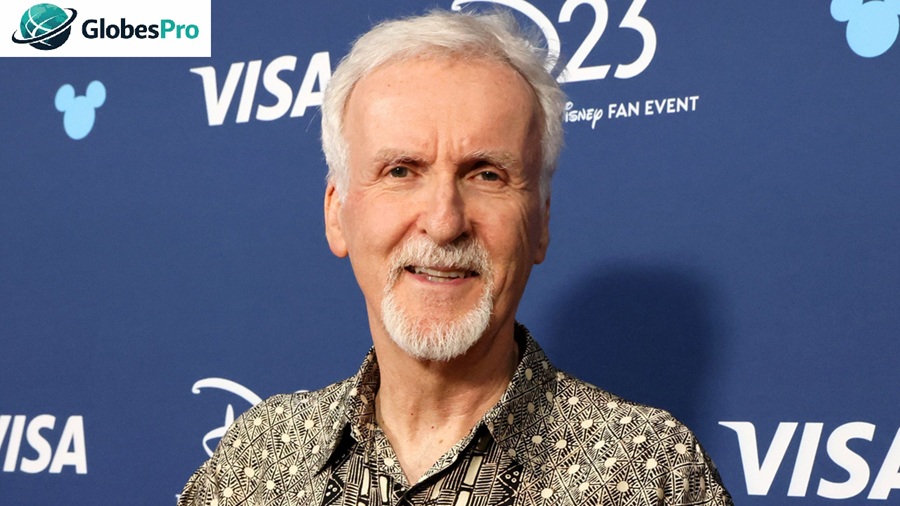
James Cameron

There are filmmakers, and then there is James Cameron.

Born on August 16, 1954, in Kapuskasing, Ontario, Canada, Cameron grew up with a fascination for both science and storytelling that eventually pulled him toward Hollywood. He didn’t arrive with connections or privilege — he educated himself obsessively, worked his way up through the industry, and eventually became one of the most technically innovative and commercially dominant directors in the history of cinema.

James Cameron — Key Career Facts Details
Full Name James Francis Cameron
Born August 16, 1954 — Kapuskasing, Ontario, Canada
Nationality Canadian-American
Breakthrough The Terminator (1984)
Major Films Aliens (1986), The Abyss (1989), Terminator 2 (1991), True Lies (1994), Titanic (1997), Avatar (2009), Avatar: The Way of Water (2022)
Box Office Directed two of the highest-grossing films in history
Academy Awards 3 Oscars for Titanic (Best Picture, Best Director, Best Film Editing)
Other Passions Deep-sea exploration, environmental advocacy, technology
Notable Achievement Solo dive to Mariana Trench (2012)
Residence New Zealand and California

His career milestones read like a highlights reel of modern cinema. The Terminator announced him. Aliens confirmed him. Titanic made him the biggest director on the planet. Avatar then rewrote what was possible at the box office entirely — becoming the highest-grossing film in history, a record it lost briefly to Avengers: Endgame before the re-release restored it to the top.

Avatar: The Way of Water (2022) — released when Josephine was nineteen years old — proved that her father’s ambition had not diminished with age. It grossed over $2.3 billion worldwide and cemented the franchise as one of cinema’s most enduring commercial forces.

Beyond filmmaking, Cameron is known for his genuine passion for deep-sea exploration — he has made numerous dives to the wreck of the Titanic and in 2012 completed a solo descent to the Mariana Trench, the deepest point on Earth. He approaches exploration with the same obsessive commitment he brings to filmmaking.

For Josephine, growing up with this man as a father means growing up with someone who genuinely believes that no challenge is too large and no frontier too distant — a worldview that shapes a child whether they seek it or not.

Her Mother: Suzy Amis Cameron

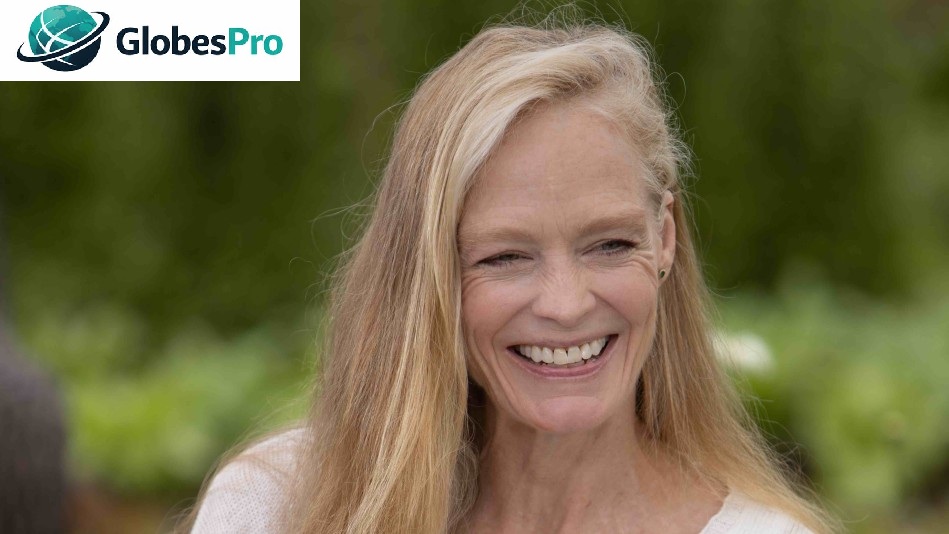
Suzy Amis Cameron

If James Cameron represents the cinematic side of Josephine’s inheritance, Suzy Amis Cameron represents something equally powerful — a model of personal reinvention, environmental conviction, and quiet strength.

Suzy Amis was born on September 5, 1962, in Oklahoma City, Oklahoma. She built a successful acting career through the 1980s and 1990s, appearing in films including The Usual Suspects (1995) and Titanic (1997) — where she met James Cameron on set. That meeting changed both of their lives entirely.

Suzy Amis Cameron — Key Facts Details
Full Name Suzy Amis Cameron
Born September 5, 1962 — Oklahoma City, Oklahoma
Career Actress turned environmentalist and educator
Notable Films The Usual Suspects (1995), Titanic (1997)
Met James Cameron On set of Titanic (1997)
Married June 4, 2000
Environmental Work Co-founded MUSE School CA; plant-based advocacy
Book OMD: The Simple, Plant-Based Program (2018)
Known For Environmental activism; sustainable living advocacy

After stepping away from acting, Suzy transformed herself into one of Hollywood’s most committed environmental advocates. She co-founded MUSE School CA — a sustainability-focused school in Calabasas, California, that operates on a plant-based curriculum and emphasises environmental responsibility as a core part of education.

She also authored “OMD: The Simple, Plant-Based Program” — a book advocating for replacing one meal a day with a plant-based option as a practical step toward reducing environmental impact. The book reflects a philosophy she has lived publicly and privately for years.

For Josephine, having Suzy as a mother meant growing up with environmental consciousness not as an abstract concept but as a daily lived reality — from the food on the table to the school she attended to the conversations happening in her home.

That influence is profound. It means Josephine’s sense of identity is shaped not just by Hollywood glamour but by a genuine ethical framework about how to live responsibly in the world.

How James and Suzy Met

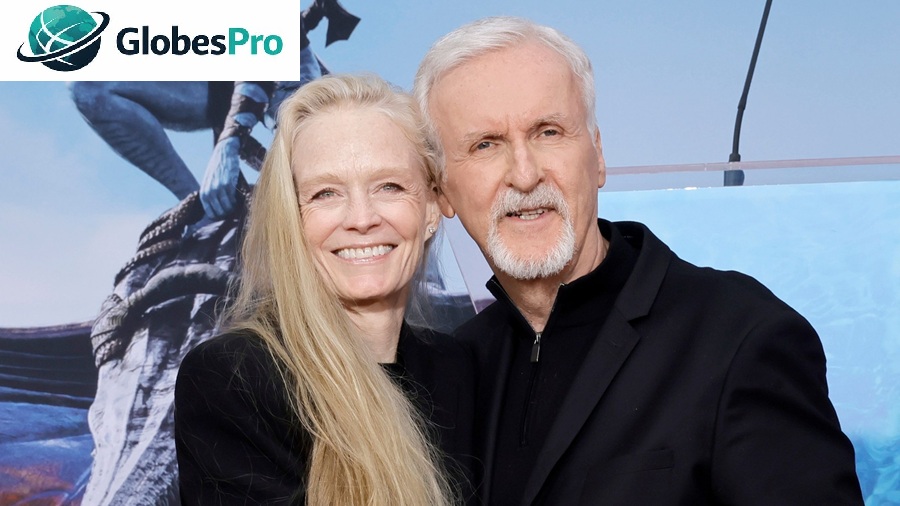
James and Suzy

The story of how Josephine’s parents came together is one of Hollywood’s more interesting love stories — not because it was dramatic, but because it grew out of something real.

Suzy Amis had a small but memorable role in Titanic (1997) — playing the great-granddaughter of the elderly Rose in the film’s framing story. During production, she and James Cameron developed a connection that neither had anticipated.

Relationship Timeline Event
1997 Met on set of Titanic
1999 James Cameron divorces Linda Hamilton (his fourth wife)
2000 James and Suzy marry — June 4, 2000
2000 Son Quinn Cameron born
2001 Daughter Claire Cameron born
2003 Josephine Archer Cameron born — December 27
2012 Son Rex Cameron born

James Cameron had been married four times before Suzy — his marriages including one to director Kathryn Bigelow and one to actress Linda Hamilton, with whom he has a son, Dalton Abbott. His marriage to Suzy has been his longest and most stable — a relationship now spanning over two decades.

For Josephine, growing up in a household where her parents’ marriage is genuinely stable is itself significant — particularly given the turbulence of her father’s earlier personal life.

Siblings: The Cameron Family

Josephine is the third of four children that James and Suzy share — part of a tight family unit that has largely stayed away from public attention.

Sibling Birth Year Notes
Quinn Cameron 2000 Eldest child of James and Suzy
Claire Cameron 2001 Second child; close in age to Josephine
Josephine Archer Cameron 2003 Third child; subject of this article
Rex Cameron 2012 Youngest; nearly a decade younger than Josephine
Dalton Abbott 1989 Half-sibling; James’s son with Linda Hamilton

Quinn, Claire, and Josephine grew up in close proximity in age — likely creating a strong sibling bond built on shared experience. Rex, born nearly a decade after Josephine, represents a later chapter of the family.

Dalton Abbott — James’s son from his relationship with Linda Hamilton — is significantly older than the Cameron children and has maintained his own separate private life.

The Cameron siblings have, across the board, chosen privacy over publicity. None of them have pursued public-facing careers or built significant media profiles — a pattern that reflects both their parents’ protective instincts and their own individual choices.

The Environmental World They Grew Up In

One of the most distinctive things about Josephine’s upbringing is the environmental framework her mother built around the family — and which her father has embraced with characteristic intensity.

The MUSE School CA that Suzy co-founded is not an ordinary institution. It operates on genuinely progressive principles — 100% plant-based meals, sustainability at the core of the curriculum, and a conscious focus on environmental responsibility. It is, in many ways, a physical expression of the values Suzy has spent the post-acting chapter of her life building.

Cameron Family Environmental Values Details
MUSE School CA Co-founded by Suzy; plant-based, sustainability focused
Diet Family follows plant-based lifestyle
Suzy’s Book OMD — advocates plant-based meal replacement
James’s Advocacy Vocal about climate change and environmental responsibility
New Zealand Base Family maintains significant presence in NZ — one of the world’s most environmentally conscious countries
Ranch Living Cameron family known for sustainable ranch lifestyle

James Cameron has spoken in interviews about the family’s commitment to plant-based living — describing it as one of the most meaningful personal changes he has made. He has connected it explicitly to his environmental concerns, arguing that individual dietary choices have real planetary consequences.

For Josephine, growing up inside this value system means her identity is shaped by a genuine ethical consciousness that most young people in Hollywood circles never encounter. It gives her a framework for the world that goes well beyond the film industry her father dominates.

Life Between California and New Zealand

One of the more unusual aspects of Josephine’s upbringing is its geography.

James Cameron has developed deep roots in New Zealand — partly because of the country’s world-class film production infrastructure (the Avatar sequels were largely produced there) and partly because of a genuine affinity for its landscape, culture, and environmental ethos.

The Cameron family maintains a significant presence in New Zealand alongside their California base — meaning Josephine has grown up with a genuinely international childhood, moving between the heart of the American film industry and one of the world’s most spectacularly natural environments.

New Zealand’s culture — more grounded, less celebrity-obsessed, deeply connected to the natural world — will have shaped Josephine in ways that a purely Hollywood upbringing never could. It offers perspective. It offers quiet. It offers the kind of ordinary life that is genuinely difficult to access when your surname is Cameron and your postcode is Los Angeles.

Josephine’s Private Life

Josephine Archer Cameron is 21 years old as of 2025 — an age where most young people are navigating university, early careers, and the first real construction of an independent adult identity.

She is doing all of this quietly and completely out of public view.

There are no confirmed public social media accounts. No interviews. No red carpet appearances. No attempt to use her father’s extraordinary Hollywood profile as a stepping stone into the entertainment industry or any other public platform.

What little is known suggests a young woman shaped by her mother’s environmental values and her father’s work ethic — someone who has grown up with a clear sense of what matters and a healthy scepticism about the value of public attention for its own sake.

Given the world she grew up in — Hollywood on one side, genuine environmental activism on the other, with New Zealand’s grounded culture providing a third perspective — her choice of privacy feels less like hiding and more like a considered position about how she wants to engage with the world.

Career: Still Being Written

At 21, Josephine’s professional story is genuinely still being written — and it would be unfair to draw conclusions about a path that is barely begun.

What we can observe is the raw material she has to work with. A father who has demonstrated that obsessive commitment to a creative vision can reshape entire industries. A mother who reinvented herself completely in midlife and built something genuinely meaningful in her second act. An education rooted in environmental consciousness and sustainable thinking. A childhood split between the world’s most powerful film industry and one of its most naturally beautiful countries.

Whatever direction Josephine chooses — whether it connects to film, to environmental work, to something entirely unexpected — she brings an unusually rich foundation to it.

Why Josephine’s Story Matters

Josephine Cameron represents something specific and worth paying attention to — a young woman who grew up at the intersection of extraordinary privilege and genuine ethical grounding, and who has chosen to build her identity quietly rather than publicly.

She is not a tabloid fixture. She is not leveraging her father’s Oscar collection or her mother’s environmental celebrity into a personal brand. She is simply a young person in her early twenties, figuring out who she is and what she wants — with the advantage of an extraordinary family background and the wisdom, apparently, not to let that background define her entirely.

What Josephine’s Story Teaches Details
Identity beyond surname Choosing her own path independent of James Cameron’s fame
Values over visibility Environmental upbringing gives her ethical framework
Privacy as choice Demonstrates quiet confidence in who she is
Balanced upbringing Hollywood ambition meets environmental consciousness
Still unwritten At 21, her story is genuinely just beginning

Frequently Asked Questions

1. Who is Josephine Archer Cameron? Josephine Archer Cameron is the daughter of Hollywood director James Cameron — known for Titanic and Avatar — and actress-turned-environmentalist Suzy Amis Cameron. She was born on December 27, 2003, and has maintained a private life despite her famous family.

2. Who is Josephine Cameron’s father? Her father is James Cameron — one of the most successful film directors in history. He directed The Terminator, Aliens, Titanic, and Avatar, and has directed two of the highest-grossing films ever made.

3. Who is Josephine Cameron’s mother? Her mother is Suzy Amis Cameron — a former actress who appeared in The Usual Suspects and Titanic, and who has since become a prominent environmental advocate and co-founder of MUSE School CA.

4. Does Josephine Cameron have siblings? Yes. She has three full siblings — Quinn Cameron, Claire Cameron, and Rex Cameron — all children of James and Suzy. She also has a half-sibling, Dalton Abbott, James Cameron’s son from his relationship with Linda Hamilton.

5. How old is Josephine Archer Cameron? Josephine was born on December 27, 2003, making her 21 years old as of 2025.

6. Did Josephine grow up in Hollywood? She grew up between California and New Zealand, where her father has based significant portions of his filmmaking work. Her upbringing reflected both Hollywood’s creative world and a strong environmental consciousness instilled by her mother.

7. Is Josephine Cameron in the film industry? There is no confirmed public information about Josephine pursuing a career in film or any other public-facing profession. She has maintained an extremely private profile.

8. What school did Josephine attend? While not confirmed publicly, Josephine is likely connected to MUSE School CA — the sustainability-focused, plant-based school co-founded by her mother Suzy Amis Cameron in Calabasas, California.

Conclusion: The Quiet Daughter of a Loud Legacy

James Cameron has spent his career making the biggest possible noise — the loudest films, the deepest dives, the most ambitious visions. His daughter Josephine has grown up inside that noise and chosen, with apparent clarity and confidence, to live quietly.

She carries an extraordinary inheritance — a father who rewrote cinema twice, a mother who rebuilt herself from actress to environmental force, a childhood split between Hollywood and the wild landscapes of New Zealand, and a value system rooted in genuine ethical conviction rather than industry positioning.

At 21, her story is genuinely just beginning. Whatever she builds with that foundation — publicly or privately, in the spotlight or away from it — she brings to it something that money and famous surnames alone cannot manufacture.

She brings a sense of who she actually is.

And in a world that never stops trying to tell the children of famous people who they should be, that quiet self-knowledge is its own extraordinary inheritance.


When viewers search for tv shows with Josh Segarra, what they find is not a neat, one-genre résumé — they find a career that has moved deliberately and ambitiously across children’s television, police procedurals, superhero dramas, dark comedies, prestige comedies, animated series, and ensemble ensemble casts spanning over fifteen years. Josh Segarra is one of those rare Puerto Rican performers who has built a screen identity rooted not in a single defining role but in an extraordinary accumulation of them — each chosen with care, each inhabited with full commitment, and each demonstrating something new about what this Florida-born, NYU-trained, Broadway-tested actor can do.

Biography / Wiki Table

Detail Information
Full Name Joshua Segarra
Date of Birth June 3, 1986
Age (2025) 38 years old
Place of Birth Longwood, Florida, USA
Nationality American
Ethnicity Puerto Rican
Languages English, Spanish (fluent)
Height 5 ft 11 in (180 cm)
Eye Color Brown
Hair Color Dark Brown
Education NYU Tisch School of the Arts (Theatre, graduated 2008)
Religion Pentecostal upbringing
Wife Brace Rice Segarra (married October 17, 2014)
Son Gus Maine Segarra (born September 2016)
Broadway On Your Feet! (Emilio Estefan), Lysistrata Jones, Dogfight
Signature TV Role Adrian Chase / Prometheus — Arrow (CW, Season 5)
Current TV Animal Control (Fox), Best Medicine
Net Worth (est.) Approximately $3 million
Social Media Active on Instagram
Representation Abrams Artists Agency; ATA Management; Jackoway

Introduction: Why Josh Segarra Keeps Showing Up on Your Screen

There is a specific kind of television actor who does not merely appear in shows — who makes the shows they appear in measurably better. Josh Segarra is that actor. From the moment he first gained national television attention playing Hector Ruiz on PBS Kids’ The Electric Company through to his most recent work as a series regular on Fox’s Animal Control and his casting in the Netflix limited series Sirens, he has never phoned in a performance, never allowed a supporting role to become invisible, and never stopped expanding the range of what he brings to the screen.

His Puerto Rican heritage, his bilingual fluency, his Pentecostal church-trained voice, his physical commitment, and the rigorous theatrical foundation he built at NYU’s Tisch School of the Arts all combine in a screen presence that is simultaneously warm and authoritative, funny and dramatically serious, quietly grounded and capable of explosive intensity. Understanding the full arc of his television work is to understand how a genuinely gifted performer builds a sustainable, genre-spanning career across more than a decade of professional television.

The Beginning: The Electric Company (PBS, 2009–2011)

Josh Segarra’s first major television role came in 2009 when he was cast as Hector Ruiz — a series regular on the PBS Kids educational programme The Electric Company. The show, a revival of the iconic 1970s series, ran for two seasons from 2009 to 2011 and was aimed at elementary-school-aged children, combining live-action performance with an emphasis on literacy and language skills.

Playing a series regular on a children’s educational programme is not a glamorous credit by Hollywood standards — but it is an enormously demanding one. Children’s television requires a performer who can hold young attention with genuine warmth and energy, maintain consistent characterisation across a long episode run, and bring the same commitment to the fifteenth take of a literacy sketch as the first. Segarra did all of this for two full seasons, building exactly the kind of professional discipline that would serve him in every subsequent role.

Establishing Presence: Homeland, The Following, Blue Bloods (2011–2014)

As The Electric Company wound down, Segarra began accumulating the guest credits that signal an actor transitioning from recurring to genuinely sought-after. He appeared in Homeland — the Showtime espionage drama starring Claire Danes and Damian Lewis that was at the peak of its critical reputation during his appearance — and in The Following, the Fox psychological thriller built around Kevin Bacon’s performance as a former FBI agent pursuing a cult-leading serial killer.

He also appeared in Blue Bloods on CBS — the long-running procedural drama about a family of New York law enforcement professionals, starring Tom Selleck and Donnie Wahlberg. His episode, “Knockout Game” in Season 4, placed him opposite two of network television’s most experienced procedural performers, and he held his ground entirely.

These were not large roles. But the productions were significant, the professional standards were high, and appearing in them demonstrated that the industry was already viewing Segarra as a credible, reliable screen presence worth booking for quality material.

First Breakthrough: Sirens (USA Network, 2013–2015)

The first television role that gave Josh Segarra genuine recurring prominence was Billy Cepeda in Sirens — the USA Network comedy about a dysfunctional Chicago ambulance crew. He joined as a recurring character in the first season before being promoted to series regular in the second. The show was cancelled after two seasons, but the experience was significant: it placed him at the centre of a fast-paced ensemble comedy, gave him sustained character development across multiple episodes, and demonstrated a comedic ease that his earlier dramatic guest work had not fully shown.

Sirens also served as his introduction to the specific demands of the single-camera comedy format — the timing, the naturalism, the ability to make funny moments feel entirely unperformed — that would serve him in the comedy-heavy work he would take on later in his career.

Chicago P.D. (NBC, 2014–2016): Entering the Dick Wolf Universe

Running concurrently with and then following Sirens, Segarra joined the cast of Chicago P.D. on NBC as Justin Voight — a recurring character in one of Dick Wolf’s sprawling interconnected Chicago procedural franchise. Chicago P.D. was, and remains, one of the most commercially successful police dramas on American network television, with a massive and loyal weekly audience.

Chicago P.D.

The role gave him access to a production infrastructure and viewership scale that USA Network could not match, and it placed him in scenes alongside Jason Beghe, Patrick Flueger, and Jesse Lee Soffer — experienced network drama performers whose professional standards are uncompromising. He held his own across multiple seasons of appearances, building the kind of industry relationships that sustain long careers.

The Defining Role: Arrow — Adrian Chase / Prometheus (CW, 2016–2018)

If one television credit changed everything for Josh Segarra, it was his casting as Adrian Chase — the District Attorney of Star City who is secretly Prometheus — as a series regular in the fifth season of the CW’s superhero drama Arrow. The role was the most complex, demanding, and high-profile of his screen career to that point, and he delivered one of the most celebrated villain performances in the entire Arrowverse.

What made Prometheus exceptional as a villain — and what made Segarra’s performance so remarkable — was its psychological sophistication. Adrian Chase is not a straightforward antagonist. He is a man whose plan for Oliver Queen / Green Arrow has been years in the making, who wears the mask of a respected civic official while concealing an identity built entirely around vengeance. The role required Segarra to hold absolute ambiguity — to make the audience genuinely uncertain, across an entire season, when Chase is performing and when he is being honest — while simultaneously delivering the physical intensity that the show’s action sequences demanded.

Critics and fans responded with unusual enthusiasm. The Prometheus arc is consistently ranked among Arrow’s finest seasons, and Segarra’s contribution to its success is inseparable from that assessment. He returned in guest appearances in seasons six and eight, and the character’s shadow continued to fall across the show’s mythology long after his departure.

Comedy Range: The Other Two (Comedy Central / HBO Max, 2019–2023)

After the intensity of Arrow, Segarra demonstrated his tonal range by joining The Other Two — the sharp, satirical comedy about two siblings navigating the sudden pop-star fame of their younger brother. Created by former SNL writers Chris Kelly and Sarah Schneider, The Other Two is one of the smartest and most precisely observed comedies in recent American television, and appearing in it placed Segarra firmly in the conversation about his comedic credentials.

The show, which ran on Comedy Central before moving to HBO Max, attracted a devoted critical following for its skewering of celebrity culture, digital media, and the particular absurdity of contemporary fame. Segarra’s recurring role within its ensemble gave him the chance to operate at the highest level of comedy writing, demonstrating the lightness and specificity that the best comedic television demands.

AJ and the Queen (Netflix, 2020) and Orange Is the New Black (Netflix)

His Netflix credits further expanded his reach. On AJ and the Queen — the comedy series created by and starring RuPaul, about a drag queen touring America with a stowaway child — Segarra brought warmth and genuine charm to a production defined by its celebration of queer identity, chosen family, and the unexpected connections that cross-country travel produces.

AJ and the Queen

His appearance in Orange Is the New Black, Netflix’s landmark drama-comedy set in a women’s federal prison, placed him in one of the decade’s most culturally significant American television productions — a show that fundamentally changed conversations about representation, incarceration, and the scope of ensemble storytelling on streaming platforms.

Dolly Parton’s Christmas on the Square (Netflix, 2020)

One of the more distinctive single credits in Segarra’s filmography is his appearance in Dolly Parton’s Christmas on the Square — the Netflix holiday musical starring Dolly Parton herself, Jenifer Lewis, and Christine Baranski. He played Pastor Christian Hathaway, a character who serves as a moral and community anchor in a story about a wealthy woman confronting the better angels of her nature at Christmas. The production was directed by Debbie Allen and featured original songs by Dolly Parton. It won the Emmy Award for Outstanding Television Movie. For Segarra — with his musical theatre background and his genuinely warm screen presence — the role was a natural fit, and the production’s Emmy win made it one of the more prestigious single credits on his résumé.

She-Hulk: Attorney at Law (Disney+, 2022)

His entry into the Marvel Cinematic Universe came with She-Hulk: Attorney at Law — the Disney+ legal comedy-drama following Jennifer Walters, a lawyer who acquires the ability to transform into a large green superhero. Segarra appeared as Pug, a fellow attorney in Jennifer’s orbit whose character provided both comic support and genuine warmth within the show’s ensemble. The MCU credit placed him in the most commercially powerful entertainment universe on earth and introduced his work to the global audience of Marvel fans who might not have previously encountered it.

The Big Door Prize (Apple TV+, 2023–2024): Prestige Comedy in Full Bloom

Among the most critically celebrated television work of Segarra’s recent career is his recurring role as Giorgio in The Big Door Prize — the Apple TV+ philosophical comedy based on M.O. Walsh’s novel, created by Emmy Award winner David West Read of Schitt’s Creek. The show, starring Chris O’Dowd, centres on a small-town community grappling with the arrival of a mysterious machine that reveals each person’s true life potential.

The Big Door Prize

Segarra appeared as a regular across both seasons of the show, working within an ensemble that included Gabrielle Dennis, Ally Maki, Damon Gupton, Crystal Fox, and others. The Big Door Prize received strong critical notices for its warmth, its intelligence, and its genuine emotional depth — qualities that Segarra’s Giorgio contributed to meaningfully. The show demonstrated his ability to anchor a prestige comedy ensemble with the same naturalism and presence that he brings to more dramatically intensive work.

Abbott Elementary (ABC, 2024): The Critics’ Darling

His guest appearance as Manny — a school district representative for Philadelphia — in the acclaimed ABC mockumentary comedy Abbott Elementary placed him in one of the most beloved sitcoms on American network television. Abbott Elementary has consistently been praised as one of the finest comedies produced in the United States during the 2020s, earning multiple Emmy Awards and a devoted audience. A guest credit on the show is a meaningful mark of the industry’s esteem, and Segarra’s appearance added to the list of significant ensemble comedies in which his work has been recognised.

Sirens (Netflix, 2025): Limited Series With Julianne Moore

In 2024, it was announced that Segarra had joined the cast of Netflix’s limited series Sirens — an entirely separate production from the USA Network comedy of the same name in which he appeared a decade earlier. This Sirens is a female-driven dark comedy created by Emmy-nominated writer and showrunner Molly Smith Metzler, starring Julianne Moore, Meghann Fahy, and Milly Alcock. Segarra’s casting in a limited series with this calibre of lead performer and creative team represents another significant step forward in a career that has been characterised by steady, intelligent upward movement.

Animal Control (Fox, 2024–Present): Series Regular

His most sustained current television commitment is as a series regular on Animal Control — the Fox comedy about a group of local animal control workers whose daily professional encounters with the animal world provide a comedic lens through which to examine human nature. The show, which premiered on Fox and has built a loyal audience, gave Segarra his first series regular credit on a major broadcast network comedy — a meaningful career milestone that placed him at the centre of a weekly primetime production.

His character Sheriff Mark Mylow in the show’s 2026 season continues to receive attention as one of the production’s most reliably entertaining elements, reflecting what audiences and casting directors have known about Segarra for years: that his warmth, his comedic timing, and his physical presence make him an anchor for ensemble casts rather than simply a supporting element within them.

Complete TV Shows Filmography Table

Year TV Show Network / Platform Role Status
2005 Vampire Bats CBS Miles TV Movie
2009–2011 The Electric Company PBS Kids Hector Ruiz Series Regular
2011 Homeland Showtime Guest Drama
2013 The Following Fox Guest Drama
2014 Blue Bloods CBS Guest (S4 E17) Drama
2013–2015 Sirens (USA) USA Network Billy Cepeda Series Regular (S2)
2014–2016 Chicago P.D. NBC Justin Voight Recurring
2016–2017 Arrow (CW) CW Adrian Chase / Prometheus Series Regular (S5)
2018 Arrow (CW) CW Prometheus Guest (S6)
2019 The Other Two Comedy Central Recurring Comedy
2019 The Moodys Fox Marco Recurring
2019 Katy Keene The CW Guest Drama
2020 AJ and the Queen Netflix — Recurring
2020 Orange Is the New Black Netflix — Guest
2020 FBI CBS Special Agent Guest
2020 Dolly Parton’s Christmas on the Square Netflix Pastor Christian Hathaway TV Movie (Emmy Winner)
2020 Arrow (CW) CW Prometheus Guest (S8)
2021 God Friended Me CBS Guest Drama
2022 She-Hulk: Attorney at Law Disney+ Pug Recurring
2023–2024 The Big Door Prize Apple TV+ Giorgio Recurring (S1–S2)
2023 Laid Netflix — Guest
2024 Abbott Elementary ABC Manny Guest (S3)
2024 Animal Control Fox Sheriff Mark Mylow Series Regular
2025 Sirens (limited series) Netflix — Limited Series
2025 Best Medicine — Raymond Series
2026 Animal Control Fox Sheriff Mark Mylow Series Regular (continuing)
2026 The Threesome — Kevin Film / Series

What the Television Career of Josh Segarra Tells Us

Looked at as a whole — from the PBS Kids classroom of The Electric Company to the Marvel Cinematic Universe to the prestige Apple TV+ comedy of The Big Door Prize to the primetime Fox series regular work of Animal Control — the television career of Josh Segarra tells a consistent story. It is the story of a performer who has never settled for less than the best project available to him at each stage of his career, who has used every credit to develop a new muscle or demonstrate a new dimension of his craft, and who has brought to every role the combination of genuine talent and relentless preparation that his NYU training, his Broadway experience, and his Florida-raised Puerto Rican character have always demanded.

He is 38 years old. He is currently a series regular on a Fox primetime comedy. He is in a Netflix limited series with Julianne Moore. He has an Emmy-winning Netflix credit on his résumé. He has been in the Marvel Cinematic Universe. He has been one of the Arrowverse’s most celebrated villains. He originated a role on Broadway opposite a biographical portrait of one of Latin music’s most beloved figures. And by every indication, he is not finished yet.

The tv shows with Josh Segarra that have already been made are remarkable. The ones yet to come are the part of the story still being written.

Career Timeline

Year Television Milestone
2005 TV debut in Vampire Bats (CBS)
2009 Joins The Electric Company (PBS) as series regular Hector Ruiz
2011 Guest roles on Homeland (Showtime) and The Following (Fox)
2014 Guest on Blue Bloods (CBS); joins Chicago P.D. (NBC) as recurring Justin Voight
2013 Joins Sirens (USA Network) as Billy Cepeda; promoted to series regular S2
2016 Cast as series regular Adrian Chase / Prometheus on Arrow (CW) Season 5
2019 Joins The Other Two (Comedy Central); The Moodys (Fox)
2020 AJ and the Queen (Netflix); Orange Is the New Black (Netflix); Dolly Parton’s Christmas on the Square (Netflix — Emmy winner)
2022 She-Hulk: Attorney at Law (Disney+) as Pug
2023–2024 Giorgio in The Big Door Prize (Apple TV+) Seasons 1–2
2024 Guest on Abbott Elementary (ABC); series regular on Animal Control (Fox)
2025 Joins Sirens limited series (Netflix) with Julianne Moore
2026 Continues as series regular on Animal Control (Fox)

Josh Segarra is the kind of performer who makes every room he enters impossible to ignore. Whether he is playing a charming villain in a superhero drama, a beloved husband in a Latin music icon’s life story, a scene-stealing comedy sidekick, or a warm-hearted dramatic presence in an ensemble cast, Segarra arrives fully prepared and fully alive in every role — and has spent nearly two decades building one of the most genuinely versatile careers in American entertainment. From singing for the governor of Florida as a teenager to originating a role on Broadway to becoming one of television’s most reliably excellent character actors, his journey is a testament to what relentless preparation and authentic Puerto Rican pride can produce.

Biography / Wiki Table

Detail Information
Full Name Joshua Segarra
Date of Birth June 3, 1986
Age (2025) 38 years old
Place of Birth Longwood, Florida, USA
Raised In Orlando, Florida area
Nationality American
Ethnicity Puerto Rican
Religion Pentecostal Christian upbringing
Languages English, Spanish (fluent)
Height 5 ft 11 in (180 cm)
Eye Color Brown
Hair Color Dark Brown
High School Florida-based; extensive theatre and a cappella involvement
University NYU Tisch School of the Arts (graduated 2008, Theatre)
Wife Brace Rice Segarra (married October 17, 2014)
Son Gus Maine Segarra (born September 2016)
Known For Arrow (CW), Sirens (USA), On Your Feet! (Broadway), The Other Two (HBO Max)
Breakthrough TV Role Adrian Chase / Prometheus — Arrow Season 5
Broadway Debut Lysistrata Jones (Off-Broadway → Broadway)
Broadway Featured Role Emilio Estefan — On Your Feet! (Marquis Theatre, 2015–2016)
Film Work Trainwreck (2015), Scream VI (2023), Friendship (2024), Overboard
Recent TV The Big Door Prize (Apple TV+), Laid (Netflix), Abbott Elementary (ABC), Animal Control
Representation Abrams Artists Agency; ATA Management; Jackoway
IMDb nm2019219
Net Worth (est.) Approximately $3 million

Early Life: A Florida Kid With a Church Voice and a Wrestling Dream

Joshua Segarra was born on June 3, 1986, in Longwood, Florida — a suburb of Orlando in Seminole County — into a Puerto Rican family that would shape both his cultural identity and his earliest artistic instincts. He grew up in the Orlando area, steeped in the Pentecostal church community that his family belonged to, and it was there that he first found his voice. The Pentecostal tradition places enormous emphasis on music in worship — on singing with full commitment, full volume, and genuine spiritual investment — and the young Josh Segarra absorbed that ethos completely. He sang in church with a seriousness that went beyond childhood participation, developing both his vocal instrument and his relationship to performance as an act of genuine expression.

What makes the origin story particularly charming is what he wanted to be when he grew up: not an actor, not a singer — a professional wrestler. He has spoken about his early obsession with professional wrestling and the desire to pursue it as a career path, an ambition that, while ultimately unfulfilled, speaks to the theatrical, physical, larger-than-life qualities that would eventually find their perfect home on stage and screen. There is a direct line, in some ways, from the spectacle and performance of professional wrestling to the roles that would make Segarra famous — including a character who is himself defined by theatrical villainy and physical menace.

By the time he reached high school, theatre had claimed him entirely. He threw himself into musical theatre with an energy and commitment that quickly separated him from his peers. His high school productions included leading roles in The Music Man as Harold Hill, Footloose as Ren McCormick, and Fame: The Musical as both Nick Piazza and Joe Vegas — three roles that demanded very different qualities and that demonstrated from early on his ability to inhabit distinct characters without losing his own natural charisma. He won a Best of Show award in Duet Musical at the Florida Thespian State Competition, a significant regional honour. His a cappella group was accomplished enough to perform for the governor of Florida — not the kind of gig that most high school performers can claim on their résumé.

NYU Tisch: Forging a Professional Foundation

Josh Segarra arrived at NYU’s Tisch School of the Arts in the early 2000s, joining one of the most rigorous and respected theatre training programmes in the United States. Tisch has produced a remarkable number of significant American performers, writers, and directors — a legacy built on its commitment to combining technical craft with genuine artistic ambition. For Segarra, the programme was both a continuation of everything he had been building in Florida and a significant step forward in terms of discipline, exposure, and professional network.

During his time at Tisch, he demonstrated a characteristic refusal to stay in a single lane. He acted, as expected. But he also sang, beat boxed, and served as the featured rapper for N’harmonics — described as a premiere a cappella group at NYU — performing on stages including Lincoln Center for the International A Cappella Super Finals. The beat boxing and rapping alongside his classical theatre training is not an incongruous combination for someone of Segarra’s background; it reflects the same musical eclecticism and performance versatility that the Pentecostal church tradition, hip-hop culture, and musical theatre all share, and that Segarra had been absorbing since childhood.

Even while completing his degree, he was already accumulating professional credits. During his freshman year, he appeared in the CBS television movie Vampire Bats, starring Lucy Lawless. In his sophomore year he performed in the Off-Broadway musical Fools in Love. He graduated in 2008 with his degree in Theatre — and immediately set about putting it to use.

Early Career: Television Foundations and Broadway Beginnings

The years immediately following graduation from Tisch were characterised by the kind of busy, varied, accumulative professional activity that distinguishes actors who build genuinely durable careers. Josh Segarra did not wait for a single breakout opportunity. He took roles across film, television, and theatre simultaneously, building fluency in each medium while establishing himself as a reliable, versatile, and thoroughly professional presence wherever he appeared.

His early film credits included The Narrows, Blood Night: The Legend of Mary Hatchet, The Ministers, and The Music Never Stopped — a range of genres that gave him experience across horror, drama, and character-driven storytelling. On television, he appeared in Homeland, the Emmy-winning Showtime espionage drama starring Claire Danes and Damian Lewis, and The Following, the Kevin Bacon-led Fox thriller. These were not lead roles, but they were significant productions with high professional standards, and appearing in them at an early stage of his career demonstrated that the industry was taking him seriously.

The role that first gave him genuine recurring television prominence was Hector Ruiz on PBS’s The Electric Company — a children’s educational television programme aimed at elementary-school-aged viewers. It ran from 2009 to 2011 and gave Segarra two seasons of sustained on-screen work, a national audience, and the experience of carrying a recurring character across an extended run.

In the theatre world, he was making equally significant strides. He originated the role of Mick in Lysistrata Jones — first in the Off-Broadway production and subsequently on Broadway. Lysistrata Jones, a contemporary musical reimagining of the ancient Greek comedy Lysistrata set in a college basketball context, was directed by Dan Knechtges and received strong notices for its energy and theatrical invention. Being part of a new musical’s journey from Off-Broadway to Broadway is a meaningful credit, and originating a role — rather than stepping into one previously created by someone else — is a particular badge of honour in the theatrical world.

He followed this with Boland in the Second Stage Theater’s production of Dogfight — a musical adaptation of the 1991 film, with music and lyrics by Benj Pasek and Justin Paul (who would go on to write the score for Dear Evan Hansen and the film La La Land), directed by Joe Mantello. Working with Mantello, one of Broadway’s most respected and in-demand directors, was another meaningful professional relationship — the kind that signals growing status within the theatre world’s specific hierarchy.

Sirens and Chicago P.D.: Recurring Television Momentum

Josh Segarra’s television profile grew significantly through his work on two very different network productions in the mid-2010s. On Sirens — the USA Network comedy about a dysfunctional Chicago ambulance crew — he played Billy Cepeda, beginning as a recurring character in the first season before being promoted to series regular in the second. The show, though ultimately cancelled after two seasons, was a sharp, fast-paced ensemble comedy that gave him extended experience in the particular demands of multi-camera and single-camera comedy performance.

Overlapping with Sirens, he joined the cast of Chicago P.D. on NBC — part of Dick Wolf’s sprawling Chicago franchise — in a recurring capacity, playing Justin Voight. The role placed him in one of the most commercially successful and consistently watched police procedural dramas on American network television, adding another major credit to a résumé that was becoming notably impressive in its breadth and quality.

Between these two commitments, he also appeared in Judd Apatow’s Trainwreck (2015) — the widely praised romantic comedy starring Amy Schumer and Bill Hader — in a small but credited film role that gave him his first genuine Hollywood feature film experience with one of the industry’s most respected comedy directors.

On Your Feet!: Originating Emilio Estefan on Broadway

The Broadway credit that most significantly elevated Josh Segarra’s profile in the theatrical world was his origination of the role of Emilio Estefan Jr. in On Your Feet! — the biographical jukebox musical celebrating the lives and music of Gloria and Emilio Estefan, which opened at the Marquis Theatre on Broadway on November 5, 2015.

On Your Feet! told the story of Gloria Estefan’s rise from a Cuban immigrant family in Miami to becoming one of the best-selling Latin music artists in history, with the Miami Sound Machine and as a solo artist. Emilio Estefan — Gloria’s husband, producer, and creative partner — is the person who discovered her talent, shaped her sound, and stood beside her through every stage of one of the most extraordinary careers in popular music history, including her remarkable recovery from a near-fatal tour bus accident in 1990.

Playing Emilio required Segarra to embody not a fictional character but a living public figure — a music industry legend whose career and personal story are matters of documented record. The demands of the role included capturing Emilio’s Cuban-American cultural identity, his entrepreneurial drive, his deep romantic and creative partnership with Gloria, and the specific emotional weight of the accident and recovery sequence that serves as the show’s most dramatically intense passage. He performed the role opposite Ana Villafañe as Gloria, and his final performance was on July 10, 2016.

The production was a meaningful commercial and cultural moment for Latin representation on Broadway, and Segarra’s contribution to it was an important part of its success.

Arrow: Becoming the Season’s Most Terrifying Villain

In the autumn of 2016, Josh Segarra joined the cast of the CW’s superhero drama Arrow as a series regular for its fifth season — taking on what would become one of the most celebrated villain roles in the show’s history. He portrayed Adrian Chase, the district attorney of Star City who is secretly Prometheus — a master manipulator and lethal antagonist whose plan for Green Arrow (Stephen Amell) is considerably more complex, personal, and psychologically devastating than any previous villain the show had produced.

What made the performance extraordinary was not merely its physicality — though Segarra committed fully to the physical demands of the role — but its psychological depth. Adrian Chase/Prometheus is not a straightforward villain. He is a man consumed by grief and rage who has engineered a years-long deception so complete that the audience, like Oliver Queen himself, cannot be entirely certain when Chase is performing and when he is being genuine. The role required Segarra to hold that ambiguity with absolute precision across an entire season of television, without ever letting the mask slip prematurely.

The performance was widely praised by critics and fans as one of the strongest villain portrayals in the entire Arrowverse, the extended universe of DC superhero shows built around Arrow’s success. He returned in guest appearances during seasons six and eight, and the character’s impact on the show’s mythology continued to be felt long after his exit.

Josh Segarra TV Shows: Comedy, Drama, and Everything Between

Since Arrow, Josh Segarra has demonstrated a remarkable ability to move between tonal registers with apparent ease — from superhero drama to sitcom comedy to heartfelt ensemble storytelling. His Josh Segarra tv shows record from 2019 onwards reads as a masterclass in career diversification.

He joined The Other Two on Comedy Central and later HBO Max as a recurring presence — a sharp, satirical comedy about two siblings navigating the sudden pop-star fame of their younger brother. He appeared in AJ and the Queen, the Netflix comedy series starring RuPaul, playing a role that allowed him to bring warmth and charm to a production defined by its celebration of queer identity and chosen family. He appeared in Orange Is the New Black on Netflix. He played Marco in The Moodys — a “commodities broker with exquisite phone skills,” as the production described the character — and contributed to FBI on CBS.

His more recent television work has expanded into prestige and premium comedy territory. He joined The Big Door Prize on Apple TV+ — the philosophical small-town comedy based on M.O. Walsh’s novel — as a recurring presence, bringing his characteristic warmth to a show defined by its meditation on human potential and life’s missed possibilities. He appeared in Abbott Elementary, the beloved ABC mockumentary comedy that has become one of network television’s most critically acclaimed sitcoms. He appeared in Laid on Netflix and in Animal Control. And in February 2026, his name was announced as part of the cast for a marathon reading event of Tracy Letts theatrical work — a sign of continued engagement with serious theatre alongside his screen career.

Year Project Role / Notes Type
2004 Vampire Bats Early television appearance CBS TV Movie
2009–2011 The Electric Company (PBS) Hector Ruiz — Series Regular TV Series
2011 Homeland Guest TV Series
2012 The Following Guest TV Series
2012 Blue Bloods Guest TV Series
2012 Dogfight (Second Stage Theater) Boland Broadway
2013 Sirens (USA) Billy Cepeda — Recurring / Series Regular S2 TV Series
2014–2016 Chicago P.D. (NBC) Justin Voight — Recurring TV Series
2015 Trainwreck — Feature Film
2015–2016 On Your Feet! (Broadway) Emilio Estefan — Originated Role Broadway
2016–2018 Arrow (CW) Adrian Chase / Prometheus — Series Regular S5 TV Series
2018 Overboard — Feature Film
2019 The Other Two Recurring TV / HBO Max
2019 The Moodys Marco TV Series
2019 Katy Keene Guest TV Series
2020 AJ and the Queen (Netflix) — TV Series
2020 FBI (CBS) Special Agent TV Series
2020 Dolly Parton’s Christmas on the Square Pastor TV Film / Netflix
2021 God Friended Me Guest TV Series
2022 She-Hulk: Attorney at Law (Disney+) — TV Series
2022–2023 The Big Door Prize (Apple TV+) Recurring TV Series
2023 Scream VI — Feature Film
2024 Friendship — Feature Film
2024 Laid (Netflix) — TV Series
2024 Abbott Elementary (ABC) Guest TV Series
2024–2025 Animal Control Series Regular TV Series
2025 Best Medicine — TV Series

Personal Life: Grounded in Family and Faith

Despite the breadth and success of his professional life, Josh Segarra remains notably grounded and private when it comes to his personal world. He married his longtime girlfriend Brace Rice on October 17, 2014, in what was reported as a warm, intimate celebration. Together they have a son, Gus Maine Segarra, born in September 2016 — the same period during which Josh was at the height of his Arrow work as one of the CW’s most talked-about season villains.

Josh Segarra

His Puerto Rican heritage remains an active and openly celebrated part of his public identity. He is fluent in Spanish and has spoken in interviews about the influence of his cultural background on his approach to roles that involve Latin identity, language, and experience. His bilingualism is not merely a professional asset — it is a marker of an identity that he has never wanted to minimise or leave behind in pursuit of mainstream acceptance.

The Pentecostal church upbringing that first gave him his voice has also remained a quiet but visible thread through his adult life — not in any restrictive or performative religious sense, but in the values of community, gratitude, and service that characterise the way he speaks about his life and his work in the interviews he gives.

He is represented professionally by Abrams Artists Agency, ATA Management, and the Jackoway firm — three established industry names whose combined representation places him firmly at the centre of the Hollywood talent ecosystem.

What Makes Josh Segarra Irreplaceable

The defining quality of Josh Segarra’s career — the thing that explains why he keeps appearing in projects that matter, across genres that could not be more different, working with creative teams that represent the best of both theatrical and screen storytelling — is a combination of genuine technical excellence and irreducible personal warmth.

josh segarra

He is a trained singer, a physical performer, a fluent bilingual actor, a comedy specialist, and a dramatic villain of rare psychological precision. He originated roles on Broadway. He delivered one of the most acclaimed villain performances in superhero television. He has appeared in Judd Apatow’s feature films, in prestige limited series, in network procedurals, in children’s educational television, and in Apple TV+ philosophical comedies. He has done all of this while remaining, by every available account, a devoted husband and father and a person his colleagues consistently describe with genuine affection.

At 38, with Animal Control on his current schedule and multiple other projects on the horizon, Josh Segarra is exactly where his talent deserves to have placed him — at the working centre of American entertainment, trusted by the best creative teams in the business, and still with plenty of the story left to tell.

Career Timeline

Year Milestone
June 3, 1986 Born in Longwood, Florida
Childhood Sings in Pentecostal church; aspires to be a professional wrestler
High School Leads productions of The Music Man, Footloose, Fame; a cappella group performs for governor of Florida; wins Best of Show at Florida Thespian State Competition
2004–2008 Attends NYU Tisch School of the Arts; sings and raps in N’harmonics a cappella group; performs at Lincoln Center
2004 Freshman year TV movie debut in Vampire Bats (CBS)
2008 Graduates NYU Tisch with Theatre degree
2009–2011 Series regular as Hector Ruiz on The Electric Company (PBS)
2011–2012 Guest roles on Homeland, The Following, Blue Bloods
2011–2012 Originates role of Mick in Lysistrata Jones (Off-Broadway → Broadway)
2012 Appears in Dogfight (Second Stage Theater, directed by Joe Mantello)
2013–2015 Billy Cepeda in Sirens (USA Network) — recurring, then series regular
2014–2016 Recurring role as Justin Voight on Chicago P.D. (NBC)
October 2014 Marries Brace Rice
2015 Appears in Trainwreck (Judd Apatow, Universal)
November 2015 On Your Feet! opens on Broadway; originates role of Emilio Estefan
July 2016 Final performance in On Your Feet!
September 2016 Son Gus Maine Segarra born
October 2016 Joins Arrow (CW) as series regular; plays Adrian Chase / Prometheus in Season 5
2019 Joins The Other Two (HBO Max); appears in The Moodys
2020 AJ and the Queen (Netflix); FBI; Christmas on the Square (Netflix)
2022 She-Hulk: Attorney at Law (Disney+)
2022–2023 Recurring on The Big Door Prize (Apple TV+)
2023 Scream VI (feature film)
2024 Laid (Netflix); Abbott Elementary (ABC); Friendship (feature)
2024–2025 Series regular on Animal Control
2025 Best Medicine; announced for Tracy Letts marathon reading event

Hannah pick-goslar, known to millions as “Hanneli” from the pages of Anne Frank’s diary, was a Holocaust survivor whose life story serves as one of the most vital links to the history of the Jewish experience during World War II. Born on November 12, 1928, in Berlin, she became a resident of Amsterdam where she formed an inseparable bond with Anne Frank. While she is often remembered through the lens of that friendship, her own survival is a monumental feat of endurance; she navigated the transit camp of Westerbork and the brutal conditions of the Bergen-Belsen concentration camp while acting as the sole protector for her younger sister, Gabi.

The definitive answer to her historical significance lies in her final meetings with Anne Frank in February 1945. Separated by a barbed-wire fence draped with straw, Hannah risked her life to throw a bundle of food to a starving Anne, providing a rare moment of humanity in a place designed for destruction. After the war, Hannah emigrated to Israel, became a nurse, and spent her long life ensuring that the true, human side of the victims was never forgotten. She passed away in 2022 at the age of 93, having fulfilled her self-imposed mission to be a voice for those who were silenced.

Biographical Profile

Detail Information
Full Name Hannah Elisabeth Pick-Goslar
Maiden Name Goslar
Nickname Hanneli
Date of Birth November 12, 1928
Place of Birth Berlin, Weimar Republic
Date of Death October 28, 2022
Place of Death Jerusalem, Israel
Parents Hans Goslar and Ruth Judith Klee
Spouse Walter Pinchas Pick
Camps Survived Westerbork, Bergen-Belsen
Occupation Nurse, Holocaust Educator

The Early Years: From Berlin to Amsterdam

The life of hannah pick-goslar began in a household of high intellectual and political standing. Her father, Hans Goslar, was the deputy minister for domestic affairs in the Weimar Republic, and her mother, Ruth Judith Klee, came from a distinguished family. This background of privilege was quickly eroded when the Nazi Party rose to power in 1933. Recognizing the existential threat, the Goslars moved to London briefly before settling in Amsterdam, where Hans hoped to find a stable environment for his family.

It was in Amsterdam, at the 6th Montessori School, that Hannah met Anne Frank. The two girls were part of a close-knit group of Jewish refugees. Hannah often recalled that Anne was a “spicy” child—vivacious, talkative, and prone to mischief—while Hannah was more reserved and observant. Their childhood was a mixture of typical adolescent joy and the creeping dread of Nazi decrees. They played marbles and shared secrets, oblivious for a time that the world was closing in on them. When the German occupation of the Netherlands began in 1940, the “Little Circle” of friends began to fracture as anti-Jewish laws dictated where they could walk, shop, and go to school.

The Great Disappearance

In July 1942, a pivotal moment occurred that would haunt Hannah for years. She went to the Frank house to borrow a scale, only to find the apartment empty and in disarray. A neighbor told her that the family had fled to Switzerland. For the next several years, Hannah lived with the belief that her best friend was safe in a neutral country. In reality, the Franks had moved into the Secret Annex just a few miles away.

This period was also one of profound personal tragedy for Hannah. Her mother died in childbirth in late 1942, leaving the fourteen-year-old girl to care for her baby sister, Gabi, and her aging father. The family’s only hope lay in their status as “Exchange Jews.” Hans Goslar had managed to obtain South American passports and recognition as Zionist activists, which placed them on a list of people who might be traded for German prisoners of war. This status was a thin shield, but it was the only thing that kept them from being sent to the gas chambers of Poland.

The Descent into Bergen-Belsen

In June 1943, the Goslars were arrested and sent to Westerbork. In February 1944, they were moved to Bergen-Belsen. Unlike the extermination camps, Bergen-Belsen was initially designed as a holding facility. However, as the war progressed, it became a site of mass starvation and disease. Hannah found herself in the “Star Camp,” a section where prisoners were allowed to stay in family units and keep their own clothes, though they were still subjected to grueling forced labor and meager rations.

Hannah’s daily life was a battle against entropy. She had to manage her father’s declining health and ensure that young Gabi remained hidden and fed. She worked in the “shoe commando,” a labor detail where prisoners spent twelve hours a day cutting the leather off old shoes to be recycled. The psychological pressure was immense; she was a teenager bearing the weight of an entire family’s survival in a place where death was the only constant.

Hannah Pick-Goslar

The Fence: A Final Reunion

The most famous chapter of her life occurred in early 1945. Hannah learned that a group of Dutch Jews had arrived in the “Lower Camp,” a much harsher section of Bergen-Belsen separated from her by a high, straw-filled barbed-wire fence. Through whispers and luck, she discovered that Anne Frank was among them. When they finally spoke through the fence, the reunion was not joyous; it was a scene of utter despair. Anne, who was once so full of life, was weeping, her spirit broken by the belief that her parents were dead.

Hannah managed to collect some crackers and a pair of stockings from other prisoners in her section. She threw the bundle over the fence. On the first attempt, another prisoner caught it and ran away. On the second attempt, Anne caught the package. It was the last time they would ever speak. Anne died shortly after, just weeks before liberation. Hannah’s account of this meeting provided the world with the only testimony of Anne’s final days, stripping away the idealized version of the girl in the attic and replacing it with the reality of a victim of systemic cruelty.

Survival and the Lost Train

As the war neared its end, the Nazis attempted to hide their crimes by moving prisoners. Hannah and Gabi were forced onto a train that wandered the rails for thirteen days with no food and little water. Their father died shortly before this journey, and Hannah herself was suffering from advanced typhus. When the train was finally liberated by Soviet soldiers in the village of Troebitz, the sisters were among the few survivors.

Hannah’s recovery was slow. She spent months in a hospital, eventually reuniting with Otto Frank, the only member of the Frank family to survive. Otto treated Hannah as a surrogate daughter, helping her and Gabi move to Switzerland for rehabilitation. In 1947, fulfilling her father’s dream, Hannah emigrated to the British Mandate of Palestine, which would soon become the State of Israel.

Timeline of Key Events

Period Location Key Event
1933 Berlin to Amsterdam Fleeing Nazi Germany
1934-1942 Amsterdam Childhood friendship with Anne Frank
1942 Amsterdam Death of mother; Franks go into hiding
1943 Westerbork Arrest and first stage of deportation
1944 Bergen-Belsen Arrival at the “Star Camp”
1945 (Feb) Bergen-Belsen Last meeting with Anne Frank at the fence
1945 (April) Troebitz Liberation from the “Lost Train”
1947 Israel Emigration and start of professional life
1997 Global Publication of her memoirs with Alison Leslie Gold

A Legacy of Education

In Israel, Hannah lived a life of quiet but determined service. She trained as a pediatric nurse, a role that allowed her to care for the next generation of children in a way she had once cared for Gabi. She married Walter Pick and had three children, eleven grandchildren, and over thirty great-grandchildren. She often remarked that her large family was her greatest “revenge” against the Nazis.

In her later years, hannah pick-goslar became a global ambassador for Holocaust memory. She traveled the world, speaking to students and historians. She was adamant that Anne Frank should not be viewed as a saintly figure or a fictional character, but as a real girl who was robbed of her future. Her collaboration with author Alison Leslie Gold on the book Memories of Anne Frank became a bestseller and was later adapted into the film My Best Friend Anne Frank.

Conclusion: The Unbroken Link

The life of hannah pick-goslar is a narrative of profound transitions—from a privileged child in Berlin to a starving prisoner in Germany, and finally to a respected matriarch in Jerusalem. Her survival was not merely a matter of luck; it was the result of her iron-willed dedication to her sister and her ability to maintain her humanity in a world that had discarded it. By sharing her story, she bridged the gap between the silent pages of a diary and the living memory of the Holocaust.

When she passed away in 2022, the world lost one of the last remaining links to the inner circle of the Frank family. However, the work of hannah pick-goslar remains. Through her testimony, she ensured that the lessons of the past were not buried in the archives but were instead kept alive in the hearts of those who listen. She proved that while hate is powerful, the bond of friendship and the duty of a witness are ultimately more enduring

The arabian sand boa (Eryx jayakari) is a small, specialized member of the Boidae family that has evolved to thrive exclusively in the soft, shifting sands of the Arabian Peninsula. Unlike its larger cousins, such as the anaconda or the Burmese python, this snake rarely exceeds 15 inches in length and possesses a blunt, shovel-like head and a short, tapered tail. Its most defining physical characteristic is the placement of its eyes, which sit directly on top of its head. This allows the snake to remain entirely submerged beneath the desert floor while scanning the surface for movement, a trait that is essential for both avoiding the brutal midday heat and ambushing unsuspecting prey.

Primarily active at night, this snake is a master of “sand-swimming,” a form of locomotion where it moves through the loose substrate with the same fluidity that a fish moves through water. It is non-venomous and relies on constriction to subdue its meals, which mostly consist of small lizards and geckos. While most boa species are known for giving birth to live young, this specific species is an outlier, as it is one of the few boas that lays eggs. Found across countries like Saudi Arabia, Oman, and the United Arab Emirates, it plays a vital role in the desert ecosystem as a low-impact predator that helps regulate the population of small vertebrates.

A Specialized Anatomy: Form Following Function

To understand this reptile, one must look closely at its bizarre morphology. To the untrained eye, it looks like a creature from a science fiction novel. Its head is not distinct from its body; there is no narrowing at the neck. This “tube-like” shape is a requirement for a life spent burrowing. If the head were wider than the body, it would create drag and make moving through compressed sand much more difficult. Instead, the snake acts like a living wedge, pushing through the grains with its reinforced snout.

The scales of the snake are another point of interest. While many snakes have keeled scales that feel rough to the touch, the scales on the front half of this boa are incredibly smooth. This reduces friction to almost zero. However, as you move toward the tail, the scales become slightly more textured, which provides the necessary “grip” against the sand to push the rest of the body forward. This gradient of scale texture is a highly specific evolutionary trait that many other burrowing snakes do not possess to the same degree.

The Geography of the Dunes

The range of this boa is dictated entirely by the geology of the Middle East. It is not found in rocky outcroppings or hard-packed clay deserts. It requires “aeolian” sand—sand that has been moved and refined by the wind until the grains are small and uniform. This is why it is so prevalent in the Rub’ al Khali, also known as the Empty Quarter. This massive sea of sand provides the perfect medium for the snake to hide.

The environmental challenges of this region are extreme. Surface temperatures can fluctuate by as much as 40 degrees between day and night. To survive, the snake utilizes the sand as a thermal insulator. Just six inches below the surface, the temperature remains remarkably stable. By moving up and down in the sand column, the snake can regulate its body temperature with surgical precision, staying cool when the sun is at its peak and retaining warmth long after the moon has risen.

arabian sand boa

Behavioral Ecology: The Patient Hunter

The hunting strategy of this boa is the definition of patience. Because the desert is vast and prey can be sparse, the snake cannot afford to waste energy on active foraging. Instead, it finds a “highway”—usually a patch of sand near a shrub or a rock where lizards are likely to pass—and disappears.

Using its upward-facing eyes, it watches for the slight shadow of a gecko or the vibration of a lizard’s feet. The snake’s skin is highly sensitive to these vibrations, acting like a subterranean sonar system. When the prey is within inches, the boa strikes in an upward arc, erupting from the sand like a trapdoor spider. It quickly wraps its muscular body around the prey, using the surrounding sand to help pin the animal down. Because its mouth is relatively small, it must be precise in its strike, usually aiming for the head or midsection to ensure a quick kill.

The History of Discovery

The scientific name, Eryx jayakari, pays homage to Atmaram S. G. Jayakar, a surgeon and naturalist who spent significant time in Oman during the late 19th century. Jayakar was instrumental in collecting specimens that would eventually be sent to the British Museum, allowing Western scientists to categorize the unique fauna of the Arabian Peninsula.

For a long time, the snake was a mystery because it was so rarely seen. It wasn’t until modern herpetological studies and better night-observation technology became available that we truly understood its abundance. It turns out the snake isn’t rare; it’s just incredibly good at not being found. This history adds a human element to the snake’s story—a narrative of exploration and the slow, methodical work of naturalists working in some of the world’s most difficult terrain.

The Reproductive Anomaly

One of the most fascinating aspects of this snake’s biology is its departure from the standard “boa blueprint” regarding birth. In the world of snakes, there are two main ways to have babies: laying eggs (oviparity) or giving birth to live young (viviparity). Almost all boas are viviparous. They develop their young inside a placental sac.

However, this desert dweller lays eggs. Biologists believe this is an adaptation to the heat. By laying eggs in a deep, moist burrow, the female can ensure the embryos develop in a stable environment without having to carry the extra weight and thermal burden of a pregnancy through the hottest months of the year. The eggs are typically elongated and leathery, designed to prevent moisture loss in the dry desert air. When the young hatch, they are fully independent and immediately begin their life as miniature sand-swimmers.

Cultural Perception and the “Meme” Effect

In the age of the internet, this boa has found a strange kind of fame. Because its eyes are placed so high on its head and its face looks perpetually “surprised” or “confused,” photos of the snake often circulate on social media. While this might seem trivial, it has actually served a conservation purpose. Snakes are often feared or killed on sight in many parts of the world. However, the “funny” or “cute” appearance of this species has made it a favorite among reptile enthusiasts and the general public alike.

This shift in perception is vital. It’s much easier to advocate for the protection of a “derpy” little snake that looks like a cartoon than it is for a more traditional-looking predator. It has become an unofficial ambassador for the biodiversity of the Arabian deserts, showing people that there is more to these “empty” landscapes than just oil and dust.

Comprehensive Summary Table

Category Scientific Data
Common Name Arabian Sand Boa
Scientific Classification Eryx jayakari
Family Boidae
Geographic Range Saudi Arabia, Oman, UAE, Yemen, Kuwait, Iran
Primary Habitat Deep, loose sand dunes and coastal plains
Average Adult Length 30–38 cm (11.8–15 inches)
Dietary Habits Primarily lizards (Geckos, Skinks) and small rodents
Reproductive Style Oviparous (Egg-laying)
Conservation Status Least Concern (IUCN)
Distinguishing Feature Eyes positioned on top of the head

The Future of the Desert Resident

As we look toward the future, the stability of this species depends on the preservation of the desert. While they are resilient, they are highly specialized. They cannot simply move to a forest or a rocky mountain if their dunes are destroyed. Habitat fragmentation caused by massive infrastructure projects and the stabilization of dunes (which prevents the sand from moving and staying loose) are the two biggest long-term threats.

Fortunately, large portions of the Arabian desert remain untouched, providing a vast sanctuary for this little constrictor. The study of the arabian sand boa reminds us that nature always finds a way to fill a niche, no matter how extreme the conditions. It is a creature of the shadows and the sand, a silent witness to the shifting winds of the Peninsula, and a perfect example of evolutionary ingenuity. By continuing to respect the delicate balance of the desert ecosystem, we ensure that this unique reptile continues to peek out from the sand for another few million years.

Kevin Hunter Jr. is the only child of television personality Wendy Williams and her ex-husband Kevin Hunter, born on August 18, 2000, who has spent his entire life navigating the complexities of having a famous mother whose daytime talk show made her a household name while also dealing with the very public implosion of his parents’ marriage when his father’s decade-long affair and secret child were exposed in 2019. Now 24 years old, Kevin Jr. has largely maintained privacy despite his mother’s tendency to discuss personal matters on her show and the intense media scrutiny surrounding the Williams-Hunter family drama that included divorce, his mother’s health struggles, substance abuse issues, and eventual loss of her show and independence to guardianship.

Growing up as the son of Wendy Williams meant experiencing childhood with a mother whose face appeared on television screens across America five days a week, whose catchphrase “How you doin’?” was nationally recognized, and whose willingness to discuss celebrity gossip and personal matters made her both beloved and controversial. His father Kevin Hunter served as both Wendy’s husband and her manager, creating a family dynamic where personal and professional lives were completely intertwined.

Personal Information Details
Full Name Kevin Hunter Jr.
Date of Birth August 18, 2000
Age 24 years old (as of 2024)
Place of Birth New Jersey, United States
Mother Wendy Williams (television host, media personality)
Father Kevin Hunter (former television producer, talent manager)
Parents’ Marriage 1997-2020 (married 22 years)
Parents’ Divorce Finalized January 2020
Half-Sibling Daughter born to Kevin Hunter and Sharina Hudson (2019)
Known For Son of Wendy Williams
Education College graduate (school not publicly disclosed)
Current Status Private life, occasional appearances with mother
Relationship with Father Reportedly strained after affair revelation
Public Profile Minimal, protected by privacy
Social Media Limited or private accounts

The scandal that destroyed his parents’ marriage—his father’s affair with Sharina Hudson producing a baby daughter in March 2019—occurred when Kevin Jr. was 18 years old and transitioning to adulthood. Processing his father’s betrayal while watching his mother’s public breakdown required maturity beyond his years during what should have been a time of personal growth and independence.

Kevin Hunter Jr. represents the often-overlooked casualties of celebrity scandals—the children who must process family trauma publicly while also dealing with the normal challenges of young adulthood, all under media scrutiny they never asked for and have no control over. His journey from child of a seemingly stable Hollywood power couple to young adult navigating his parents’ explosive divorce, his mother’s declining health and loss of independence, and his own path forward demonstrates resilience in extraordinarily difficult circumstances.

Childhood in the Williams-Hunter Household

Kevin Hunter Jr. was born in August 2000, becoming the only child of Wendy Williams and Kevin Hunter. At the time of his birth, Wendy’s radio career was thriving, though she had not yet transitioned to the television show that would make her a household name.

Growing up in the Williams-Hunter household meant experiencing a family where his mother’s career was central to everything. Wendy’s radio show and later her television program required early morning schedules, public appearances, and constant media attention that shaped the family’s daily life and routines.

Kevin Hunter Jr.

His father Kevin served as Wendy’s manager and eventually executive producer of “The Wendy Williams Show,” meaning both parents’ work lives revolved around Wendy’s career. This created a family dynamic where Kevin Jr.’s childhood was inevitably shaped by his mother’s fame and his father’s role managing that fame.

Childhood Timeline

Period Age Range Family Context
2000-2008 0-8 years Radio era, before TV show
2008-2013 8-13 years TV show launches and grows
2013-2018 13-18 years Teen years, show at peak
2019 18-19 years Parents’ scandal and divorce
2020-present 20-24 years Young adulthood, mother’s decline

Wendy has spoken over the years about trying to balance her demanding career with motherhood, though she has also been criticized for discussing Kevin Jr. on her show more than he might have preferred, including details about his personal life, education, and activities that most teenagers would want kept private.

The Williams-Hunter Marriage

Kevin Jr.’s parents married in 1997, three years before his birth, after Wendy’s first brief marriage to Bert Girigorie ended in divorce. Kevin Hunter positioned himself as both Wendy’s romantic partner and her business manager, creating a relationship where personal and professional boundaries were completely blurred.

For Kevin Jr., this meant growing up in a household where discussions about his mother’s show, business decisions, and career strategy were constant dinner table topics. The family’s financial success came entirely through Wendy’s career, with Kevin Sr. managing that career and earning substantial income as her executive producer.

From the outside, the family appeared successful—wealthy, with both parents involved in Kevin Jr.’s life, living in an upscale New Jersey home. However, beneath this surface, dysfunction was brewing that would eventually explode publicly.

Parents’ Relationship Dynamic

Aspect Reality Impact on Kevin Jr.
Marriage duration 22 years (1997-2019) Most of his life
Father’s role Husband and manager Enmeshed family/business
Power dynamic Father controlled business Complex family structure
Father’s affair Decade-long secret Betrayal when revealed
Public nature Mother discussed on TV Privacy challenges

Wendy’s willingness to discuss her marriage on her show—both the positive aspects and later her hints about trouble—meant that Kevin Jr.’s parents’ relationship was partially public, creating awkward situations where classmates or friends might know details about his family that he wished were private.

The 2019 Revelation and Divorce

The defining trauma of Kevin Hunter Jr.’s young adult life came in early 2019 when the long-rumored affair between his father and Sharina Hudson was undeniably confirmed by the birth of their daughter in March 2019. Kevin Jr. was 18 years old, likely in his freshman year of college, when his family imploded publicly.

The revelation was devastating on multiple levels. His father had betrayed not just his mother but the entire family by maintaining a decade-long double life. His mother, who had apparently known or suspected but remained in the marriage, now had to confront the undeniable evidence of a baby. And Kevin Jr. suddenly had a half-sister born from his father’s infidelity.

Within weeks of the baby’s birth, Wendy filed for divorce in April 2019, simultaneously firing Kevin Sr. from his position as executive producer of her show. The marriage and business partnership that had defined Kevin Jr.’s entire life collapsed completely and publicly.

The Scandal Timeline

Date Event Impact on Kevin Jr.
March 2019 Sharina Hudson gives birth Half-sister born from affair
April 2019 Wendy files for divorce Parents’ marriage ending
April 2019 Kevin Sr. fired from show Father loses career position
2019-2020 Divorce proceedings Family conflict and division
January 2020 Divorce finalized Parents officially separated
Post-divorce Ongoing family tension Navigating new normal

Reports suggested that Kevin Jr.’s relationship with his father became severely strained or severed entirely after the affair revelation. For a young man who had presumably looked up to his father, discovering that his dad had been living a double life and had produced a child through betrayal was profoundly damaging.

Relationship with Wendy Williams

Kevin Jr.’s relationship with his mother has been complicated by her very public struggles. Following the divorce, Wendy’s health problems—including her Graves’ disease, lymphedema, and substance abuse issues—became increasingly evident. Her behavior on the show became erratic, she took extended absences, and eventually the show was canceled.

In 2022, Wendy was placed under court-ordered financial guardianship after concerns about her competency and potential exploitation. By 2024, it was revealed that she had been diagnosed with primary progressive aphasia and frontotemporal dementia, progressive brain conditions that have severely impaired her.

For Kevin Jr., watching his mother decline from the powerful, sharp-tongued television personality he grew up with to someone unable to manage her own affairs or make her own decisions has been tragic. He has reportedly tried to maintain connection with his mother despite the guardianship situation that has limited family access.

Mother-Son Relationship Challenges

Challenge Details Kevin Jr.’s Position
Mother’s fame Public scrutiny of family Constant privacy invasion
Health issues Graves’ disease, substance abuse Worry and concern
Guardianship Court control over mother Limited access
Dementia diagnosis Progressive cognitive decline Watching mother’s deterioration
Family conflicts Disputes over Wendy’s care Caught in middle

Some family members, including Wendy’s niece, have publicly expressed concerns that the guardianship is inappropriate and that Wendy is being isolated from family who care about her. Kevin Jr.’s exact position on these issues remains private, though he presumably wants what’s best for his mother while also protecting his own wellbeing.

Education and Young Adulthood

Kevin Hunter Jr. attended college, though the specific school has not been widely publicized, reflecting his family’s attempt to give him some privacy around his education. The college years that should have been about personal growth, independence, and new experiences were instead dominated by his parents’ explosive divorce and his mother’s deteriorating condition.

Graduating college and transitioning to young adulthood during this family chaos required extraordinary resilience. Most young adults have parental support during the challenging transition from college to career and independence. Kevin Jr. was instead dealing with a father he was estranged from and a mother whose declining health made her unable to provide traditional parental guidance.

Young Adult Challenges

Typical Young Adult Experience Kevin Jr.’s Reality
Parental support during transition Father estranged, mother incapacitated
Privacy to make mistakes Every family issue public
Finding career path Under scrutiny as Wendy’s son
Forming identity Defined by parents’ scandal
Building relationships Complicated by family drama

Whether Kevin Jr. has pursued career opportunities, what his professional interests are, and how he supports himself remain private. Given his family’s wealth and his mother’s earnings over decades, financial need is likely not his primary concern, though the guardianship has complicated access to family money.

The Half-Sibling Situation

One of the most complex aspects of Kevin Jr.’s situation is that he has a half-sister—his father’s daughter with Sharina Hudson, born in March 2019. This child, who is innocent in all of this, is Kevin Jr.’s biological half-sibling, yet she represents his father’s betrayal and the destruction of his family.

Whether Kevin Jr. has any relationship with this half-sister is unknown. She would now be about 5 years old, and whether Kevin Jr. has met her, wants a relationship with her, or has no contact remains entirely private.

The situation mirrors many families where children from affairs create complicated sibling dynamics. Kevin Jr. might resent this half-sister as a symbol of his father’s betrayal, or he might recognize that she’s innocent and a victim of her parents’ choices, or he might have no relationship with her at all.

Current Life and Privacy

As of 2024, Kevin Hunter Jr. is 24 years old and has successfully maintained significant privacy about his current life. His career, romantic relationships, living situation, and daily life remain largely unknown publicly, which suggests deliberate boundaries he has established to protect himself from the media attention surrounding his family.

Occasionally he appears in photos with his mother or is mentioned in contexts related to her care and situation, but he has not leveraged his connection to Wendy for social media influence, reality television, or other attention-seeking behavior that some celebrity children pursue.

This privacy choice demonstrates maturity and self-protection. Having lived his entire life with a mother who overshared on television and experienced the consequences of that public exposure through his father’s affair scandal, Kevin Jr. apparently learned the value of keeping his own life private.

The Guardianship and Family Access

The court-ordered guardianship controlling Wendy Williams’s finances and potentially other aspects of her life has created additional complications for Kevin Jr.’s relationship with his mother. Guardianships can limit family access, and there have been suggestions that Wendy’s family, including Kevin Jr., have had difficulty seeing her or having influence over her care.

The guardianship was established ostensibly to protect Wendy from exploitation and to manage her affairs as her cognitive decline made her unable to do so herself. However, family members have questioned whether the guardianship truly serves Wendy’s interests or whether it represents another form of exploitation and control.

Kevin Jr.’s position in these disputes remains private, though as Wendy’s only child, he presumably has concerns about his mother’s wellbeing and care.

Check out this video for more information :

Conclusion

Kevin Hunter Jr., born August 18, 2000, to television personality Wendy Williams and her ex-husband Kevin Hunter, has navigated an extraordinarily challenging path from childhood spent as the son of a famous talk show host to young adulthood marked by his father’s exposed decade-long affair and secret child, his parents’ explosive 2019 divorce, and his mother’s subsequent health decline including substance abuse struggles, loss of her show, and eventually a dementia diagnosis that led to court-ordered guardianship stripping her of independence. At just 18 years old when the scandal broke—discovering his father had betrayed the family and produced a half-sister through infidelity—Kevin Jr. was forced to process profound family trauma publicly while transitioning to college and adulthood, reportedly becoming estranged from his father while watching his mother’s cognitive and physical deterioration accelerate in the years following the divorce. Now 24, Kevin Jr. has maintained remarkable privacy despite intense media interest in the Williams family saga, apparently learning from his mother’s oversharing and his family’s public dysfunction to establish boundaries that protect his own wellbeing and allow him to build a life defined by his own choices rather than by his parents’ fame and failures. As Kevin Hunter Jr. continues navigating young adulthood while his mother lives with progressive dementia under guardianship and his father remains estranged following his betrayal, he represents the often-overlooked children of celebrity scandals whose lives are profoundly affected by family dysfunction they had no control over but must somehow process and move beyond while the public watches, judges, and speculates about every aspect of their family’s tragedy.

Victoria Mehault is a French reality television personality, influencer, and entrepreneur who rose to fame through her appearances on popular French reality shows like “Les Marseillais aux Caraïbes” and “Les Marseillais vs le Reste du Monde.” Born on September 30, 1998, in Toulon, France, she has built a massive following across social media platforms, with over 2 million Instagram followers and 1.2 million TikTok followers who follow her journey through motherhood, fitness, and entrepreneurship.

At just 26 years old, Victoria has established herself as more than just a reality TV participant. She owns her own aesthetician salon in Six-Fours-les-Plages, co-founded Victofit LLP with former partner Loren Lucquin, and maintains a thriving presence across multiple platforms including YouTube where she runs “Vivi Superstar.”

Her personal life captured significant attention in 2024 when she announced her pregnancy on March 27, eventually welcoming her son Lio on September 30, 2024—remarkably, on her own 26th birthday. However, her relationship with Loren ended in July 2025, just ten months after their son’s birth, marking a challenging transition from coupled motherhood to single parenting in the public eye.

Personal Information Details
Full Name Victoria Mehault
Date of Birth September 30, 1998
Place of Birth Toulon, France
Age 26 years old
Height Approximately 1.65m (5’5″)
Nationality French
Profession Reality TV star, influencer, entrepreneur, aesthetician
Famous For Les Marseillais reality TV franchise
Instagram Followers 2 million+
TikTok Followers 1.2 million+
YouTube Channel Vivi Superstar
Son Lio (born September 30, 2024)
Relationship Status Single (separated from Loren Lucquin July 2025)
Business Ventures Aesthetician salon owner, Victofit LLP co-founder

Victoria Mehault represents a new generation of French reality stars who leverage television fame into sustainable business ventures and lasting influencer careers.

Early Life and Path to Fame

Victoria Mehault grew up in Toulon, a coastal city in southeastern France known for its Mediterranean climate and naval history. Details about her childhood and family background remain relatively private, though her journey into the public eye began when she entered the world of French reality television.

Her entry into reality TV came through the “Les Marseillais” franchise, one of France’s most popular and enduring reality television series. The show follows young people, primarily from Marseille and surrounding areas, as they travel to exotic locations, navigate relationships, and deal with interpersonal drama—a format similar to shows like “Jersey Shore” in the United States.

Victoria first appeared on “Les Marseillais aux Caraïbes” in 2020, which filmed in Caribbean locations. Her appearance on the show immediately generated interest due to her personality, looks, and willingness to engage in the dramatic storylines that keep reality TV audiences engaged. She wasn’t just a background participant—she became a central figure whose relationships and conflicts drove narrative arcs.

Following her successful stint on “Les Marseillais aux Caraïbes,” she continued with the franchise, appearing on “Les Marseillais vs le Reste du Monde” (The Marseillais vs The Rest of the World), a competition-style spinoff that pits cast members from Marseille against participants from other French reality shows. These appearances solidified her status as a franchise regular and helped build her following.

Reality TV Career and Relationships

Show Year Type Notable Aspects
Les Marseillais aux Caraïbes 2020 Travel/Lifestyle Reality First major appearance, gained initial following
Les Marseillais vs le Reste du Monde Various seasons Competition Reality Established as franchise regular
Other Reality Appearances Various Multiple formats Extended presence in French reality TV ecosystem

Victoria’s time on reality television involved the typical elements that make these shows compelling—friendships, conflicts, romantic relationships, and personal growth stories. Her authenticity and relatability helped her connect with audiences who saw themselves reflected in her experiences.

Public Relationships

Before her relationship with Loren Lucquin, Victoria had public relationships with other figures from the French reality TV world. She dated Paga, another personality from the reality TV circuit, in a relationship that played out partially on screen and partially through social media.

She also had a relationship with Illan Castronovo, another reality TV participant. These relationships, typical for reality stars whose personal and professional lives intertwine, generated their own followings and drama that kept audiences invested in Victoria’s personal journey.

Victoria Mehault

These earlier relationships, while they didn’t last, served as learning experiences and contributed to her growth as both a person and public figure. They also demonstrated the challenges of maintaining relationships in the reality TV ecosystem, where cameras, public opinion, and show dynamics can strain even strong partnerships.

Building a Business Empire

Aesthetician Salon

Beyond reality television, Victoria Mehault pursued professional training as an aesthetician and opened her own salon in Six-Fours-les-Plages, a commune in the Var department of southeastern France, near her hometown of Toulon. This business venture showed entrepreneurial ambition beyond simply monetizing fame through sponsored posts.

Business Venture Details
Salon Name Victoria Mehault Aesthetician Salon
Location Six-Fours-les-Plages, Var, France
Services Beauty treatments, skincare, aesthetic services
Significance Demonstrates professional skills beyond influencer work
Business Model Physical location serving local clients plus influencer promotion

The salon allows Victoria to offer tangible services to clients in her region while also creating content around beauty treatments, skincare routines, and aesthetic procedures for her social media followers. This dual purpose—serving local clients while creating content for digital audiences—exemplifies modern influencer entrepreneurship.

Running a physical business requires skills different from content creation. Managing employees, maintaining inventory, handling bookings, ensuring consistent service quality, and navigating French business regulations all demand time and attention beyond posting on Instagram. Victoria’s success in maintaining the salon alongside her influencer career demonstrates work ethic and business acumen.

Victofit LLP

Victoria co-founded Victofit LLP with Loren Lucquin, a limited liability partnership registered in the United Kingdom. The company focuses on fitness and wellness, aligning with Victoria’s personal brand transformation from reality TV personality to fitness influencer.

Company Details Information
Company Name Victofit LLP
Registration United Kingdom
Partners Victoria Mehault and Loren Lucquin (designated members)
Industry Fitness, wellness, health
Business Model Likely includes fitness programs, coaching, branded products
Current Status Uncertain following July 2025 separation

The decision to register the company in the UK rather than France suggests strategic planning around tax structures, international business opportunities, and legal frameworks that might favor their particular business model. UK LLPs offer certain advantages for partnerships, including pass-through taxation and flexible management structures.

Victofit LLP likely leverages Victoria’s massive social media following to market fitness programs, nutritional guidance, workout plans, or physical products like supplements or athletic wear. Her transformation into fitness-focused content creator provides authentic foundation for such offerings—followers who watched her fitness journey feel invested in products or services she recommends.

The separation from Loren in July 2025 raises questions about Victofit LLP’s future. Business partnerships between separated romantic partners can survive, but require maturity and clear professional boundaries. Whether Victoria and Loren continue collaborating professionally or restructure the business remains to be seen.

Social Media Presence and Influence

Platform Breakdown

Platform Followers Content Type Engagement
Instagram 2 million+ Photos, Stories, Reels – lifestyle, fitness, motherhood High engagement with personal content
TikTok 1.2 million+ Short-form videos – fitness routines, mom content, trends Strong video performance
YouTube Vivi Superstar channel Longer-form content, vlogs, behind-the-scenes Dedicated but smaller audience
Spotify Music presence Original music releases Niche following

Victoria’s Instagram serves as her primary platform, where she shares carefully curated photos alongside more casual Stories content. Her feed balances aesthetic appeal with authenticity—polished fitness photos and professional shoots mixed with genuine moments of motherhood and daily life.

Her Reels content follows trending audio and formats while incorporating her personal brand elements. Fitness transformations, day-in-the-life videos, and motherhood content perform particularly well, generating hundreds of thousands of views and significant engagement through comments and shares.

On TikTok, Victoria adapts to the platform’s more casual, trend-driven culture. Her content here often feels less polished than Instagram, which paradoxically can drive higher engagement as audiences appreciate the authenticity. Fitness challenges, parenting humor, and participation in viral trends help her reach beyond her core follower base.

Content Strategy Evolution

Victoria’s content has evolved significantly from her reality TV days. Early content focused on lifestyle, fashion, and the social aspects of her life—parties, travel, friendships. This reflected her reality TV persona and appealed to audiences interested in aspirational lifestyle content.

As she matured and her interests shifted, fitness became increasingly central to her brand. Workout videos, nutrition tips, transformation photos, and fitness motivation content grew to dominate her feed. This evolution positioned her as more than entertainment—she became someone offering value through fitness guidance and inspiration.

The pregnancy announcement in March 2024 marked another evolution. Suddenly, content incorporated pregnancy fitness, maternity fashion, preparation for motherhood, and the emotional journey of expecting a child. Her followers, many of whom were in similar life stages, connected deeply with this content.

Following Lio’s birth in September 2024, mom content became prominent. Breastfeeding journeys, postpartum fitness, baby product recommendations, and the realities of new motherhood provided fresh content angles. The fact that Lio was born on Victoria’s birthday created a unique story element that she incorporated into her narrative.

Victoria Mehault

The July 2025 separation introduced another content shift. Single motherhood, co-parenting challenges, and personal growth through difficult circumstances now inform her content, showing vulnerability that often generates strong audience connection.

Pregnancy and Motherhood Journey

Pregnancy Announcement and Experience

Pregnancy Milestone Date Details
Pregnancy Announcement March 27, 2024 Public announcement on social media
Pregnancy Content March-September 2024 Fitness while pregnant, maternity fashion, emotional journey
Due Date/Birth Date September 30, 2024 Lio born on Victoria’s 26th birthday
Gender Reveal During pregnancy Announced expecting a boy
Pregnancy Challenges Throughout Shared authentic experiences including difficulties

Victoria’s pregnancy announcement in March 2024 generated massive engagement across her platforms. Followers who had watched her journey through reality TV, fitness transformation, and relationship with Loren celebrated this next chapter. The announcement posts likely received hundreds of thousands of likes and thousands of comments offering congratulations and support.

Throughout her pregnancy, Victoria documented her experience authentically. Unlike influencers who only share perfect, glowing pregnancy moments, she was open about challenges—morning sickness, body changes, anxiety about childbirth and motherhood, and the physical limitations pregnancy imposed on her fitness routine.

Her fitness-focused audience particularly appreciated content showing how she modified workouts for pregnancy, what exercises remained safe through different trimesters, and how she maintained strength while prioritizing her baby’s health. This content served her followers who were also pregnant or planning pregnancies while keeping her engaged with her core fitness brand.

Maternity fashion content showcased how to dress a changing body stylishly. Victoria partnered with maternity brands and regular fashion companies to show outfit ideas at different pregnancy stages, providing practical value to followers while generating sponsored content revenue.

Birth of Lio: A Birthday Miracle

The birth of Lio on September 30, 2024—exactly on Victoria’s 26th birthday—created a remarkable story that Victoria has embraced in her content and narrative. Sharing a birthday with her child creates a unique bond and makes their birthday celebrations permanently intertwined.

The name Lio, short and distinctive, fits modern naming trends favoring brief, memorable names that work across languages. For a child born to influencer parents, a name that photographs well and works in captions matters more than it might for private families.

Victoria’s postpartum content showed both the joys and challenges of new motherhood. Late-night feeding sessions, the exhaustion of caring for a newborn, the emotional overwhelm of new responsibility, and the physical recovery from childbirth all appeared in her content, presented with honesty that resonated with parent followers.

Postpartum fitness became a major content theme. Her journey returning to exercise, navigating body changes, and working toward fitness goals while caring for an infant provided valuable content while also maintaining her fitness influencer brand. She emphasized healthy, gradual approaches rather than dangerous “snap back” culture that pressures new mothers.

The Relationship with Loren Lucquin

Victoria’s relationship with Loren Lucquin brought together two individuals with entrepreneurial mindsets and social media savvy. Unlike her previous relationships with other reality TV personalities, Loren came from outside that world, offering a different dynamic.

The relationship appeared genuine and loving based on shared content. Couple photos, romantic gestures, travel together, and the collaborative energy around Victofit LLP suggested strong partnership. Followers invested in their relationship, seeing them as relationship goals and celebrating their journey toward parenthood.

However, the relationship ended in July 2025, just ten months after Lio’s birth. Victoria addressed the separation on social media, describing it as “un échec personnel” (a personal failure) but emphasizing she had no regrets about the relationship or their son. This framing acknowledged disappointment while focusing on gratitude for the positive aspects, particularly Lio.

The separation so soon after becoming parents reflects the reality that new parenthood can strain relationships enormously. Sleep deprivation, reduced couple time, different parenting philosophies, and the stress of caring for a dependent infant create challenges that even strong relationships sometimes can’t overcome.

For Victoria specifically, navigating this separation publicly adds complexity. Her followers had celebrated the pregnancy and birth with her; now they witnessed the relationship ending. Managing audience reactions—which likely ranged from supportive to judgmental—while processing her own emotions required significant emotional labor.

Single Motherhood in the Public Eye

Co-Parenting Challenges

Co-Parenting Aspect Considerations
Custody Arrangements Coordinating Lio’s time between parents
Social Media Boundaries Agreeing on what to share about Lio
Business Partnership Navigating Victofit LLP with ex-partner
Public Perception Managing audience expectations and judgments
New Relationships Eventually dating while co-parenting
Holiday Coordination Sharing special occasions and traditions

As a single mother with significant public presence, Victoria Mehault faces unique challenges. Every parenting decision, every post featuring Lio, every mention of Loren becomes subject to public commentary and speculation. This scrutiny can make already difficult situations more stressful.

Co-parenting requires communication and cooperation with an ex-partner, which can be challenging emotionally. For Victoria and Loren, their shared business interests through Victofit LLP add another layer—they may need to maintain professional relationships even while navigating personal separation.

Social media presents particular challenges for separated influencer parents. Do they coordinate what they post about their child? What happens if one parent shares something the other finds inappropriate? How do they handle followers asking about the other parent in comment sections? These questions require ongoing discussion and boundary-setting.

Victoria’s approach to single motherhood content will shape her brand going forward. Some influencer moms lean heavily into solo parenting content, building communities around single motherhood. Others minimize child content post-separation, focusing their personal brand elsewhere. Victoria’s choices will depend on her comfort level and what feels authentic to her experience.

Beyond Reality TV: Music and Entertainment

Interestingly, Victoria has ventured beyond reality television and social media into other entertainment forms. She has music available on Spotify, showing creative ambitions beyond her primary platforms. While details about her musical output remain limited, the fact that she pursued music demonstrates willingness to explore different creative expressions.

She has also appeared in films or television shows beyond reality TV, though specific credits aren’t widely publicized. These appearances suggest ambitions to be viewed as more than just a reality star, perhaps aiming for recognition as a more versatile entertainment personality.

Her YouTube channel “Vivi Superstar” provides space for longer-form content than Instagram or TikTok allow. Vlogs, detailed fitness tutorials, product reviews, and deeper dives into her life can exist here in formats impossible on other platforms. While her YouTube following is smaller than her Instagram or TikTok presence, it represents another revenue stream and allows different types of audience connection.

The Fitness Transformation

One of Victoria’s most significant personal and professional evolutions has been her transformation into a fitness influencer. Her journey from reality TV personality to someone known for fitness content required both physical transformation and brand repositioning.

The physical transformation involved consistent training, nutrition management, and developing the toned, athletic physique now associated with her brand. This wasn’t a quick fix or dramatic crash diet—her content suggests a sustainable approach to fitness that followers can actually replicate.

More importantly, she developed fitness knowledge and credibility. Creating effective workout content requires understanding exercise science, proper form, training principles, and how to communicate these concepts accessibly. Victoria invested in this knowledge, transforming herself from someone who worked out into someone qualified to guide others.

This transformation opened new opportunities. Fitness brands partner with her for sponsored content. She can create and sell her own fitness programs or coaching services. Her content provides genuine value beyond entertainment, positioning her as an authority in the fitness space.

The fitness focus also provided brand sustainability beyond reality TV fame. Reality stars often struggle to maintain relevance after their shows end or they age out of the desired demographic. By building expertise in fitness, Victoria created a platform that can sustain her career long-term.

Business Acumen and Entrepreneurship

Victoria’s success stems from more than good looks or reality TV drama. She has demonstrated genuine business intelligence in building and diversifying her career:

Multiple Revenue Streams: She doesn’t depend on any single income source. The aesthetician salon, Victofit LLP, sponsored content, affiliate marketing, and potentially YouTube ad revenue all contribute to financial stability.

Strategic Branding: Her evolution from reality star to fitness influencer to mom influencer shows adaptability while maintaining core brand consistency. Each phase built on previous success rather than requiring complete reinvention.

Professional Development: Opening a salon required aesthetician training. Fitness content demands exercise knowledge. She invested in developing actual skills rather than just trading on fame.

Platform Diversification: Rather than relying solely on Instagram, she maintains presence across TikTok, YouTube, and even Spotify. This protects against platform changes or algorithm shifts that could devastate single-platform influencers.

Long-term Thinking: Her businesses provide sustainability beyond influencer fame. The salon can operate even if her social media presence eventually declines. This long-term perspective separates successful influencer entrepreneurs from those who only chase immediate sponsorship deals.

Challenges and Controversies

Like most reality TV personalities and influencers, Victoria has likely faced controversies and challenges throughout her career. Reality TV inherently generates drama—it’s the format’s purpose—and participants inevitably become subjects of criticism or gossip.

Her relationships, both during reality TV and afterward, generated public discussion and sometimes criticism. Relationship drama, breakups, and new partnerships all became fodder for tabloid coverage and social media commentary.

As a fitness influencer, she faces the constant scrutiny that comes with presenting a fit physique. Accusations of photo editing, unrealistic body standards, or promoting unhealthy fitness obsession are common criticisms leveled at fitness influencers, regardless of their actual practices.

Motherhood opens another avenue for criticism. Parenting decisions—from feeding choices to how much she shares about Lio to how quickly she returned to exercise postpartum—all become subjects of judgment from followers and critics alike. The impossible standards applied to mothers, particularly public figures, create no-win situations where every choice attracts criticism from someone.

The separation from Loren likely generated speculation about causes, with followers possibly taking sides or making judgments about who was at fault. This public dissection of a private relationship failure represents one of the most difficult aspects of influencer life.

The Future for Victoria Mehault

At just 26 years old with a well-established career, multiple businesses, and a son to raise, Victoria Mehault has both challenges and opportunities ahead. Her next chapter will likely involve balancing single motherhood, growing her businesses, and continuing to build her personal brand.

Her fitness focus provides sustainable foundation for continued growth. The wellness industry continues expanding, and her established presence positions her well to capitalize on opportunities. She might launch her own supplement line, expand Victofit LLP into new markets, or create comprehensive fitness programs that leverage her expertise and following.

Motherhood content represents another growth area. As Lio grows, content can evolve from infant care to toddler activities to eventually navigating childhood. Single motherhood, co-parenting, and building a fulfilling life while raising a child solo all provide relatable content angles.

Eventually, her romantic life may resume, introducing new relationships into her public narrative. How she handles sharing future partnerships—whether maintaining privacy learned from her experience with Loren or choosing to share new relationships publicly—will shape her brand and audience connection.

The aesthetician salon offers opportunities for expansion—opening additional locations, franchising the concept, or expanding into product lines. Her social media presence provides built-in marketing for any business ventures she chooses to pursue.

Whatever direction she chooses, Victoria Mehault has demonstrated resilience, business intelligence, and adaptability that suggest continued success beyond reality TV fame and into sustainable, long-term career achievement across multiple industries.

Loren Lucquin is a French entrepreneur and social media influencer who gained widespread attention through his relationship with Victoria Mehault, a well-known French reality TV star and fitness influencer. Born and raised in France, Loren has built his own presence in the digital space while also establishing himself in the business world as a designated member of Victofit LLP, a company registered in the United Kingdom.

His life took a significant turn in 2024 when he and Victoria welcomed their son Lio in September, marking his transition into fatherhood. The couple’s relationship, which had been documented across social media platforms, captivated French-speaking audiences who followed their journey from romance to parenthood.

However, by July 2025, the couple announced their separation, turning what had been a celebrated partnership into a new chapter of co-parenting. The split generated considerable discussion among their combined follower base, particularly given the recent birth of their son and the public nature of their relationship.

Personal Information Details
Full Name Loren Lucquin
Nationality French
Profession Entrepreneur, Influencer
Business Role Designated Member of Victofit LLP (UK)
Known For Relationship with Victoria Mehault, social media presence
Partner Victoria Mehault (separated July 2025)
Children One son, Lio (born September 2024)
Social Media Presence Active on Instagram and other platforms
Relationship Status Single (as of July 2025)

Loren Lucquin represents a generation of French entrepreneurs who blend traditional business ventures with modern influencer culture, creating multifaceted careers that span both digital and commercial spheres.

Early Life and Background

Details about Loren Lucquin’s early life and upbringing remain relatively private compared to his more public recent years. What is known is that he comes from France and developed entrepreneurial interests that would eventually lead him into business ventures and the influencer space.

Unlike many influencers who build their presence entirely through social media content creation, Loren appears to have approached digital influence as an extension of business activities rather than as a primary career path. This distinction is important—he’s an entrepreneur who happens to have social media presence, rather than an influencer attempting to transition into business.

His educational background and early career steps haven’t been extensively documented in public sources, which is common for influencers whose fame came through relationships or specific events rather than building a following from the ground up through content creation.

The privacy around his pre-fame life suggests Loren values boundaries around certain personal information, even while maintaining a public presence in other areas. This selective sharing has become increasingly common among second-generation influencers who have witnessed the downsides of complete transparency in earlier influencer culture.

Business Ventures and Entrepreneurship

One of the most concrete professional details about Loren Lucquin is his role as a designated member of Victofit LLP, a limited liability partnership registered in the United Kingdom. This business connection appears to tie into the fitness and wellness industry, aligning with his partner Victoria Mehault’s brand focus.

Victofit LLP’s registration in the UK rather than France suggests strategic business planning, as the UK offers certain advantages for limited liability partnerships, including favorable tax structures and international business opportunities. The company likely leverages both Loren’s business acumen and Victoria’s established fitness influencer brand to create commercial opportunities.

The nature of being a “designated member” in a UK LLP carries specific legal responsibilities. Designated members have additional duties beyond regular members, including filing annual accounts and confirmation statements with Companies House. This role suggests Loren takes an active part in the company’s administration and compliance obligations.

While specific details about Victofit LLP’s operations, revenue, or product offerings aren’t widely publicized, the company name suggests a focus on fitness-related products or services. This could include anything from fitness programs and coaching services to branded merchandise or digital content subscriptions.

Loren’s entrepreneurial approach appears to blend personal brand building with concrete business structures, creating sustainability beyond the often volatile influencer economy. This strategic thinking demonstrates business sophistication that separates him from influencers who rely solely on sponsored content and brand partnerships for income.

Relationship with Victoria Mehault

The relationship that brought Loren Lucquin into broader public attention was his partnership with Victoria Mehault, a French reality TV personality who gained fame through her appearances on programs like “Les Marseillais” and built a substantial following as a fitness influencer and entrepreneur.

Victoria’s existing fame meant that her relationship with Loren automatically attracted public interest. Her followers, numbering in the hundreds of thousands across platforms, became invested in the couple’s story as it unfolded through social media posts, stories, and occasional longer-form content.

The couple didn’t shy away from documenting aspects of their relationship, sharing romantic moments, travel experiences, and daily life glimpses that allowed followers to feel connected to their journey. This approach is common in French influencer culture, where audiences often expect more personal sharing than might be typical in other markets.

Their relationship represented a partnership of equals in many ways—both were entrepreneurially minded, both understood the influencer landscape, and both brought their own followings and business interests to the table. This dynamic likely contributed to their compatibility and the success of joint ventures like Victofit LLP.

The chemistry between Loren and Victoria was evident in their shared content. Whether posting couple photos, appearing in each other’s Instagram stories, or collaborating on fitness-related content, they projected an image of genuine partnership that resonated with audiences looking for authentic relationship representation in the often-performative influencer space.

Becoming a Father: The Birth of Lio

September 2024 marked a transformative milestone for Loren Lucquin with the birth of his son Lio. The arrival was celebrated across social media, with both Loren and Victoria sharing the news with their respective audiences. The announcement posts likely generated significant engagement, as pregnancy and birth announcements typically rank among the most popular content types in influencer culture.

Fatherhood represented a new chapter not just personally but also in terms of content and public persona. Loren’s social media presence likely shifted to incorporate dad content—a category that has grown increasingly popular and profitable in influencer marketing as brands recognize the value of reaching millennial and Gen Z fathers.

The name Lio, short and distinctive, fits the trend among influencer families to choose names that are memorable and work across languages and cultures. This consideration matters when one’s child will inevitably have a digital footprint from birth, appearing in parents’ content and potentially developing their own presence eventually.

The months following Lio’s birth presumably involved the typical adjustments of new parenthood—sleep deprivation, learning to care for an infant, and finding balance between parental responsibilities and professional obligations. For influencer parents, these challenges are compounded by the pressure to create content and maintain audience engagement during a period when focus naturally shifts to the newborn.

Based on typical influencer parent behavior, Loren and Victoria likely shared milestone moments—first smiles, developmental achievements, family outings—carefully curated to maintain their audience connection while also protecting their son’s privacy to whatever degree they deemed appropriate.

The July 2025 Separation

Just ten months after welcoming their son, Loren and Victoria announced their separation in July 2025. The timing, so soon after becoming parents, likely surprised many followers who had celebrated the birth of Lio with them less than a year earlier.

Breakups so soon after having a child, while not uncommon in the general population, carry particular complications. The stress of new parenthood can strain even strong relationships, and when combined with the pressures of maintaining public personas and running businesses together, the challenges multiply.

The announcement of their separation was presumably made through social media, as is typical for influencer couples. These announcements often walk a careful line—acknowledging the split to prevent rumors and speculation while requesting privacy and emphasizing commitment to co-parenting.

For followers who had invested emotionally in the couple’s relationship, the news likely generated mixed reactions. Some probably expressed support and understanding, while others may have felt disappointed or speculated about reasons for the split. The public nature of influencer relationships means breakups become community events rather than private matters.

The separation also raised practical questions about their shared business ventures. Victofit LLP, with both partners involved, would need to navigate the changing relationship dynamic. Business partnerships can survive romantic breakups, but they require maturity, clear boundaries, and continued professional respect that isn’t always possible immediately after a separation.

Co-Parenting in the Public Eye

Loren Lucquin

With Lio being less than a year old at the time of separation, Loren Lucquin and Victoria face the challenge of establishing co-parenting arrangements while managing public interest in their family situation. Co-parenting after separation is difficult enough in private; doing it while maintaining influencer careers adds layers of complexity.

Successful co-parenting requires communication, flexibility, and putting the child’s needs above lingering relationship tensions. For Loren and Victoria, this likely means coordinating schedules around content creation commitments, brand partnerships, and travel while ensuring Lio has stability and time with both parents.

The question of how much to share about their son post-separation represents another challenge. Do they continue posting Lio content separately? Do they establish boundaries about what each can share? How do they handle situations where followers ask about the other parent in their respective comment sections?

Many separated influencer parents choose to reduce child content, recognizing that documenting their children’s lives becomes more complicated when doing so separately rather than as a unit. Others continue sharing but establish clear agreements about privacy, tagging, and what’s appropriate to post.

For Loren specifically, his approach to fatherhood content post-separation will help define his individual brand moving forward. Some influencer fathers lean heavily into dad content, building entire personal brands around parenting. Others keep child-related sharing minimal, focusing their content elsewhere.

Social Media Presence and Personal Brand

While Loren Lucquin’s social media presence initially gained traction through his relationship with Victoria, post-separation he has the opportunity to define his individual brand more clearly. This transition from being half of a couple brand to establishing solo identity is a common challenge for influencers who gained fame through relationships.

His content strategy moving forward might focus on entrepreneurship, sharing business insights and startup advice that leverages his experience with Victofit LLP and potentially other ventures. This approach would differentiate him from fitness-focused content and establish expertise in a specific domain.

Alternatively, he might lean into lifestyle content—fashion, travel, personal development—creating aspirational content that showcases his life and interests beyond any single relationship or business venture. This broader approach allows flexibility and doesn’t lock him into a narrow niche.

Dad content represents another potential direction. Despite the separation, Loren remains Lio’s father, and the growing market for authentic fatherhood content could provide a natural foundation for building an engaged audience. Content showing the realities of single fatherhood, co-parenting challenges, and the joys of raising a child could resonate with other fathers navigating similar situations.

The influencer landscape rewards authenticity and consistency. Whatever direction Loren chooses, success will depend on regular posting, genuine engagement with followers, and content that provides value—whether through entertainment, inspiration, information, or relatability.

The Business Side: Life After Victofit

The status of Victofit LLP following the separation raises interesting questions about business partnerships between separated partners. Some couples successfully maintain professional relationships after romantic ones end, compartmentalizing effectively and recognizing the financial value in continued collaboration.

Others find it impossible to work together once the relationship ends, necessitating buyouts, dissolution, or complete restructuring of shared ventures. The path Loren and Victoria choose will depend on numerous factors—the nature of their split, their ability to maintain professional boundaries, and their individual desires for the company’s future.

If Loren chooses to continue with Victofit LLP, his role might evolve to focus on aspects that don’t require constant collaboration with Victoria. Perhaps he handles business development while she focuses on content creation and community engagement, minimizing necessary direct interaction while both contributing to the company’s success.

Alternatively, he might exit the business entirely, either selling his stake to Victoria or negotiating a settlement that allows him to pursue other entrepreneurial ventures independently. This could free him to start projects more aligned with his individual interests without the complication of working with an ex-partner.

The UK business registration adds complexity to any potential restructuring. Changes to LLP membership require proper documentation with Companies House, and financial settlements must be handled in accordance with UK partnership law, even if both parties are French nationals primarily residing in France.

Lessons from Public Relationships

Loren’s experience—documenting a relationship, celebrating a child’s birth, and then separating, all in the public eye—offers insights into the unique challenges of influencer relationships. The pressure to present a perfect image, the audience investment in relationship success, and the financial implications of couple branding all create forces that can strain relationships.

Many influencer couples report feeling pressure to stay together because their audience wants it, or because their income depends on maintaining the couple brand. This external pressure, when combined with normal relationship challenges, can become overwhelming and potentially keep people in unhealthy situations longer than they might otherwise stay.

The monetization of relationships—where couple content generates income and brand partnerships depend on the relationship’s continuance—creates perverse incentives. Breaking up might mean losing income, followers, and professional opportunities, making it a more complicated decision than it would be for people whose careers aren’t tied to their relationship status.

For Loren and Victoria, separating while their son is still an infant suggests they prioritized their individual wellbeing and the health of their family dynamic over maintaining appearances for professional reasons. This decision, while difficult, demonstrates maturity and could ultimately serve Lio better than staying in an unhappy relationship for the sake of public perception or business concerns.

Privacy Boundaries in a Public Life

Despite his public presence, Loren Lucquin has maintained certain privacy boundaries, particularly regarding details of his early life, the specifics of his business operations, and the intimate details of his relationship and separation. This selective sharing reflects an understanding that total transparency isn’t necessary or beneficial.

The influencer industry has evolved from early days when sharing everything seemed like the path to authenticity and success. Contemporary influencers increasingly recognize that protecting certain aspects of life isn’t dishonest—it’s healthy boundary-setting that allows them to maintain wellbeing while still connecting with audiences.

For Loren specifically, maintaining privacy around the details of his separation protects not just himself and Victoria, but also Lio, who didn’t choose to have public parents. As Lio grows older, having some aspects of his family history remain private rather than permanently documented online may be appreciated.

The challenge for any influencer is determining what to share and what to protect. Too much privacy and audiences disengage; too much sharing and personal life becomes unsustainable content fodder. Finding the right balance is an ongoing process that shifts based on life circumstances, audience expectations, and personal comfort levels.

Moving Forward: What’s Next

As of now, the future trajectory of Loren Lucquin’s career and public presence remains open. The separation from Victoria marks an inflection point that could take his life and work in numerous directions.

He might double down on entrepreneurship, using lessons from Victofit LLP to launch new ventures either in fitness, wellness, or entirely different industries. His experience as both a business owner and someone with social media influence positions him well to identify opportunities at the intersection of commerce and digital culture.

Alternatively, he might pivot more fully into influencer content creation, building his personal brand independently and monetizing through the typical influencer revenue streams—sponsored content, affiliate marketing, brand partnerships, and potentially his own products or services.

Family life will necessarily be a central focus as he navigates co-parenting Lio. How much of this aspect he chooses to share publicly will shape his brand and determine what kind of audience he attracts. The dad influencer space continues to grow, and authentic content from fathers, particularly those navigating single parenthood or co-parenting, remains relatively underserved compared to mom content.

Whatever path Loren Lucquin chooses, his experience—combining entrepreneurship, influencer culture, public relationships, and fatherhood—provides a foundation for building a sustainable career in the evolving digital landscape where personal brand and business acumen increasingly intersect.