
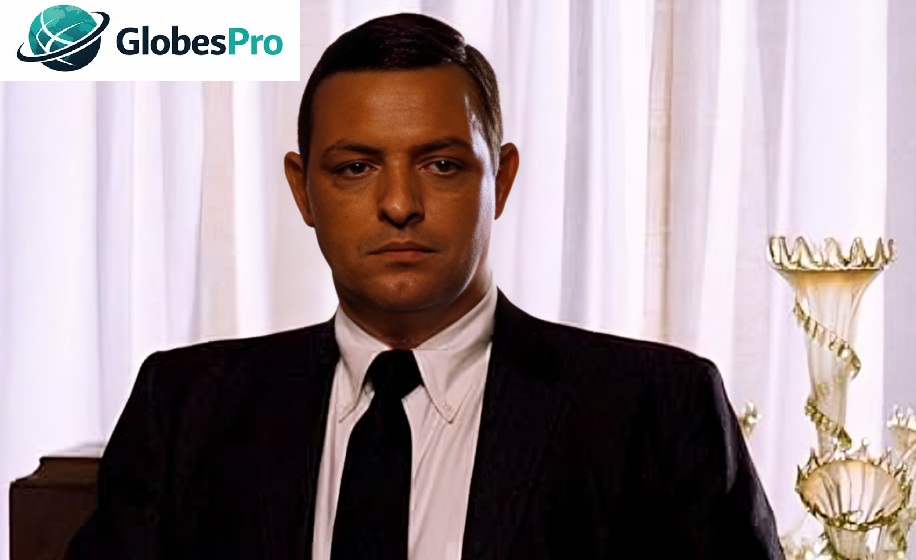
In the world of The Godfather — a universe populated by some of the most charismatic and commanding screen presences in the history of American cinema — there is a man who says almost nothing and does everything. He stands behind Michael Corleone at critical moments across three films and eighteen years of story. He shoots Emilio Barzini on the steps of a courthouse disguised as a police officer. He rows a boat onto a lake in Nevada and shoots Michael’s own brother in the back of the head. He is Al Neri — Michael Corleone’s most trusted enforcer, his conscience’s darkest instrument, the man who does what must be done without being asked twice. The actor who played him across all three films, with a consistency and a stillness that makes the character one of cinema’s great silent presences, was a Brooklyn shipbuilder’s son named Richard Bright. Almost nobody knows his name. Almost everybody remembers his face.
For readers looking for a quick answer — Richard Bright was an American actor born Richard James Bright on June 28, 1937, in Bay Ridge, Brooklyn, New York City. He is best known for playing Al Neri — Michael Corleone’s enforcer — across all three Godfather films (1972, 1974, 1990), making him one of only four actors to appear in the entire trilogy. He had a distinguished career spanning nearly five decades that included work with Al Pacino, Sam Peckinpah, Sergio Leone, Steve McQueen, and Dustin Hoffman. He died on February 18, 2006, at the age of 68, after being struck by a tour bus on the Upper West Side of Manhattan.
Quick Facts
| Field | Details |
|---|---|
| Full Name | Richard James Bright |
| Born | June 28, 1937 |
| Birthplace | Bay Ridge, Brooklyn, New York City |
| Died | February 18, 2006 (age 68) |
| Cause of Death | Struck by tour bus — Upper West Side, Manhattan |
| Nationality | American |
| Occupation | Actor |
| Known For | Al Neri — The Godfather trilogy (all three films) |
| Spouse | Rutanya Alda (m. 1977 — until his death) |
| Children | Jeremy Bright; Diane |
| Active Years | 1955–2006 |
Early Life: Bay Ridge, Brooklyn
Richard James Bright was born on June 28, 1937, in Bay Ridge — a working-class neighbourhood in the southwestern corner of Brooklyn that sits above the Narrows and looks across the water toward Staten Island and the approach to New York Harbor.
Bay Ridge in the late 1930s and 1940s was a specific kind of New York neighbourhood — predominantly working-class, ethnically mixed, with a strong Scandinavian and Irish presence alongside the Italian and Jewish communities that characterised much of Brooklyn’s social geography. It was a neighbourhood of shipbuilders, dock workers, tradespeople, and the families of people who did physical work for a living.
His father Ernest Bright was a shipbuilder — a trade whose physical demands and proximity to the industrial waterfront gave young Richard an early education in the specific kind of masculine authority that comes from work done with the body in demanding conditions. The shipbuilder’s son who would eventually play the silent enforcer of the most powerful crime family in American cinema was shaped from the beginning by an environment where what you did spoke louder than what you said.
His mother Matilda — née Scott — brought Scottish ancestry to the family’s heritage, adding another cultural layer to the Brooklyn immigrant mosaic that shaped the neighbourhood’s specific character.
Growing up in postwar Bay Ridge meant growing up in a community still absorbing the changes that World War II had produced — the returning veterans, the economic expansion of the late 1940s, the specific social dynamics of a neighbourhood balanced between its working-class roots and the upward mobility that postwar prosperity was beginning to make possible.
What the neighbourhood gave Richard Bright was something that no acting school can provide — an early immersion in the specific physical and social language of working-class New York men, the vocabulary of gesture and posture and the quality of watchful stillness that he would later deploy to such devastating effect as Al Neri.
Early Career: Live Television and the First Film
Richard Bright began his professional acting career at the remarkably young age of eighteen — entering the world of live Manhattan television at a time when the medium was developing its own aesthetic and professional standards from scratch.
Live television in the mid-1950s was an extraordinarily demanding performance environment — there were no retakes, no editing, no second chances. Every moment of every broadcast was performed in real time before a live audience and transmitted simultaneously to viewers across the country. The discipline that live television instilled — absolute preparation, total present-moment commitment, the ability to recover from anything without breaking character — was the foundation of a performance training that no controlled rehearsal environment could replicate.
His film debut came in Odds Against Tomorrow (1959) — directed by Robert Wise and starring Harry Belafonte and Robert Ryan in a racially charged heist thriller that was among the more serious and substantive American films of its era. It was not a starring role — it was the beginning of a career — but it placed him immediately in a professional context of genuine quality.
The New York film and theatre world of the late 1950s was a specific and exciting environment — the Method acting tradition was at its cultural peak, the Off-Broadway movement was expanding what theatre could be, and the independent film scene was beginning to develop the aesthetic and commercial infrastructure that would eventually produce the New Hollywood revolution of the 1970s. Richard Bright was building his career in exactly the right place at exactly the right historical moment.
The Beard (1965): Free Speech Fighter
Before Richard Bright became famous for his silences, he became briefly notorious for a theatrical production that generated one of the more significant First Amendment cases in the history of American theatre.
The Beard was a two-person play by Michael McClure — a Beat Generation poet whose theatrical work pushed at every available boundary of what was permissible in a public performance. The play featured two historical figures — Billy the Kid and Jean Harlow — in a confrontational, sexually explicit encounter that concluded with a simulated sex act on stage.
Richard Bright played Billy the Kid — opposite Billie Dixon as Jean Harlow — in a production that when performed in San Francisco and Los Angeles resulted in the arrests of both actors on obscenity charges.
| The Beard — First Amendment Case | Details |
|---|---|
| Playwright | Michael McClure — Beat Generation poet |
| Richard’s Role | Billy the Kid |
| Co-Star | Billie Dixon as Jean Harlow |
| Content | Sexually explicit two-person confrontation |
| Arrests | San Francisco and Los Angeles — obscenity charges |
| Legal Defence | ACLU — First Amendment argument |
| Outcome | Charges dismissed — landmark free speech ruling |
| Subsequent Productions | London and New York — after charges dropped |
| Significance | Established important theatrical free speech precedent |
The American Civil Liberties Union took up the defence — arguing that the play’s explicit content was protected expression under the First Amendment and that arresting performers for the content of a theatrical work constituted an unconstitutional restriction on artistic expression.
The charges were eventually dismissed — establishing a precedent for theatrical free speech that had implications beyond the immediate case. Richard Bright had not simply performed in a controversial play. He had, by virtue of being arrested and fighting the charges, participated in a genuine civil liberties case whose outcome mattered to American artistic freedom more broadly.
The willingness to be arrested for a role — to face genuine legal consequences rather than walk away from material that the authorities found objectionable — reflects a specific kind of artistic commitment and personal courage that distinguishes serious performers from merely professional ones.
Sam Peckinpah: An Important Friendship
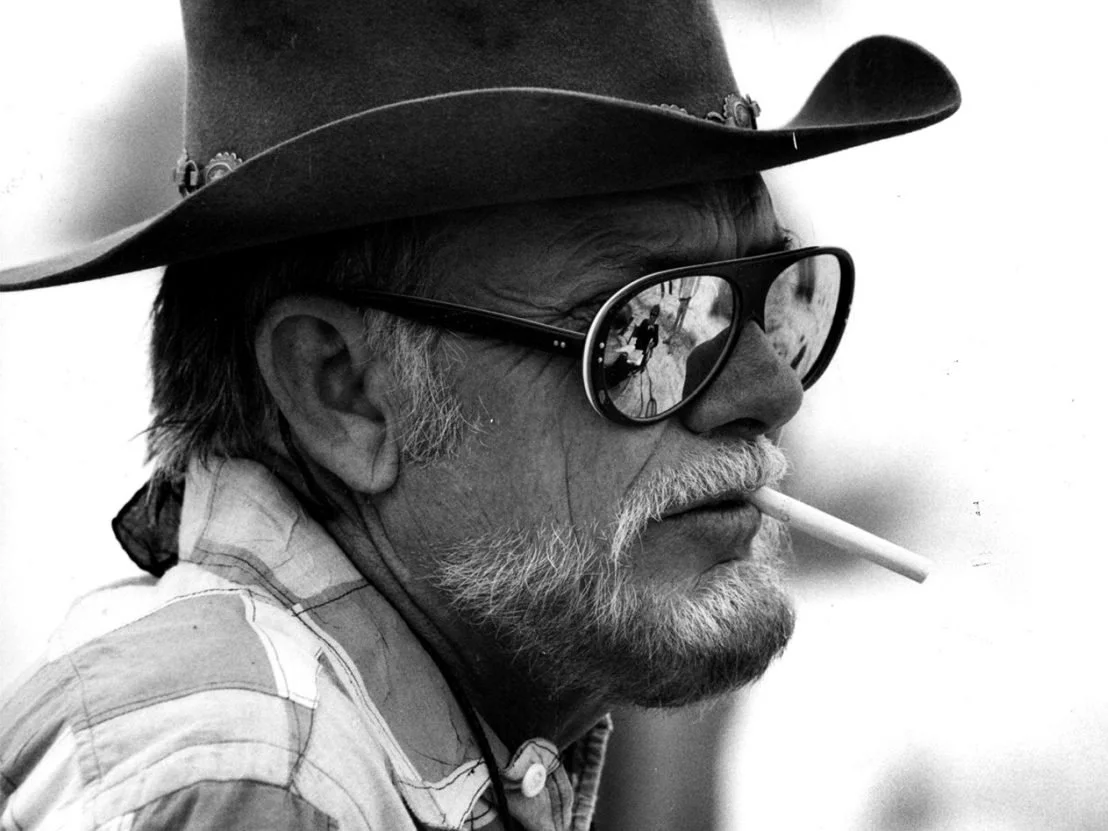
One of the most significant professional relationships of Richard Bright’s career was his connection to Sam Peckinpah — the controversial, brilliant, and extraordinarily demanding director whose films redefined American screen violence and whose working methods were as legendarily difficult as his films were visually extraordinary.
Peckinpah was drawn to actors who carried physical authenticity and moral complexity in their faces and bodies — performers who could suggest a full human history in a glance or a silence without explaining it in dialogue. Richard Bright was exactly that kind of actor, and the two men developed a professional relationship that produced some of Bright’s most interesting work.
Their collaboration on Pat Garrett and Billy the Kid (1973) — a revisionist Western starring James Coburn and Kris Kristofferson — placed Bright in one of the more significant American films of the decade. The Peckinpah connection also gave him a professional credential and a stylistic education that directly informed his work on The Godfather — both films sharing a fascination with loyalty, violence, and the moral costs of operating inside institutional power structures.
What Peckinpah taught — through his demanding, sometimes chaotic working methods — was the specific value of physical truth in performance. For Peckinpah, the performance that came from genuine physical and emotional commitment was always more valuable than the performance that came from technical execution. Richard Bright absorbed that lesson completely.
The Panic in Needle Park (1971): Meeting Al Pacino

The professional relationship that would prove most consequential for Richard Bright’s career began not on The Godfather set but on the production of The Panic in Needle Park (1971) — a raw, documentary-style film about heroin addiction in New York City that introduced Al Pacino to the film world and that placed Richard Bright in the role of Hank — Pacino’s brother.
| The Panic in Needle Park (1971) | Details |
|---|---|
| Director | Jerry Schatzberg |
| Richard’s Role | Hank — Al Pacino’s brother |
| Al Pacino’s Role | Bobby — his film breakthrough |
| Style | Raw; documentary; New York locations |
| Significance | Pacino’s first major film role |
| Connection | Established Bright-Pacino professional relationship |
| Critical Reception | Strong — praised for authenticity |
| Legacy | Led directly to both being cast in The Godfather |
The film was Pacino’s genuine breakthrough — the performance that demonstrated to Hollywood, and specifically to Francis Ford Coppola and the Godfather casting process, that this young New York actor was capable of the kind of work that the role of Michael Corleone required.
For Richard Bright, the Needle Park connection to Pacino created a professional bond and a demonstrated on-screen chemistry that made his subsequent casting in The Godfather — as the man who stands closest to Michael Corleone throughout the trilogy — feel like both a creative and a personal inevitability.
The Getaway (1972): Steve McQueen and Peckinpah

In the same year that The Godfather was released, Richard Bright appeared in another of the defining films of early 1970s American cinema — The Getaway (1972), directed by Sam Peckinpah and starring Steve McQueen and Ali MacGraw.
His role in the film — playing a con artist whose pursuit of the McQueen character drives a significant portion of the narrative — placed him in a production of genuine commercial and artistic significance and further demonstrated the range and professional credibility that his career was steadily accumulating.
Working with Steve McQueen — whose specific screen magnetism and technical approach to performance were quite different from Pacino’s Method-derived intensity — gave Bright another point of professional reference and another demonstration of how different actors of genuine quality approach the same fundamental challenge.
The fact that The Getaway and The Godfather appeared in the same year reflects the specific professional momentum that Bright’s career had developed by the early 1970s — he was working at the highest level of American filmmaking simultaneously across multiple major productions.
The Godfather (1972): Becoming Al Neri
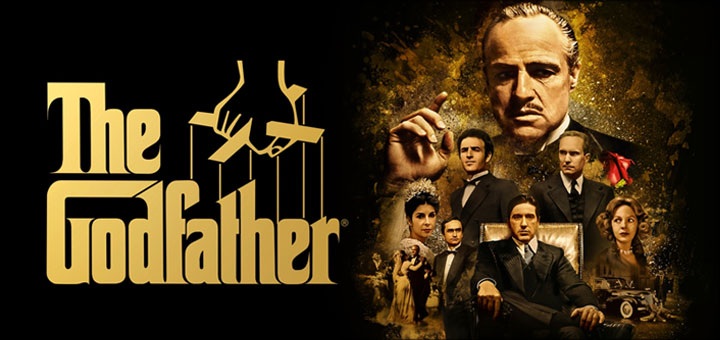
When Francis Ford Coppola cast The Godfather, the role of Al Neri — Michael Corleone’s personal enforcer and bodyguard — required a very specific kind of actor. Not a star. Not a scene-stealer. Someone whose physical presence communicated absolute reliability, absolute loyalty, and absolute capability without requiring a single word of explanation.
The character of Al Neri in Mario Puzo’s novel is former New York City police officer who was dismissed from the force for killing a suspect and was subsequently recruited by the Corleone family as their most trusted operative. He is Michael’s weapon of last resort — the instrument through which the most consequential and most morally devastating acts of Michael’s reign are executed.
Richard Bright — with his watchful blue eyes, his compact physical authority, and his ability to communicate volumes through stillness — was perfect.
| Al Neri — Character Profile | Details |
|---|---|
| Character | Al Neri — Michael Corleone’s personal enforcer |
| Background | Former NYC police officer — dismissed for killing suspect |
| Role | Michael’s most trusted and most lethal instrument |
| Dialogue | Almost none across all three films |
| First Film Appearance | The Godfather (1972) |
| Most Significant Act | Shooting Fredo Corleone — Part II |
| Physical Communication | Stillness; watchfulness; absolute readiness |
| Richard’s Age | 34 in The Godfather |
His most visible moment in the first film is during the baptism sequence — one of the most celebrated pieces of parallel editing in cinema history, in which Michael’s godfather ceremony for his sister’s baby is intercut with the simultaneous murder of all the rival family heads.
Neri appears in this sequence disguised as a police officer — using the uniform of his former profession as the instrument of the Corleone family’s consolidation of power. He shoots Emilio Barzini on the courthouse steps — and the image of a police uniform used as cover for assassination carries its own specific commentary on the relationship between institutional authority and organised crime.
The film’s final shot — Neri closing the door on Kay (Diane Keaton) as she watches Michael receive the homage of the family’s capos — is one of cinema’s most perfectly composed closing images. Neri closing the door is the visual statement of what Michael has become. Richard Bright does it with the complete, unhurried authority of someone who has been closing doors on uncomfortable truths his entire professional life.
| Al Neri’s Key Moments — The Godfather (1972) | Scene | Significance |
|---|---|---|
| Baptism sequence | Disguised as police officer; kills Barzini | Corleone consolidation of power |
| Courthouse steps | Shoots Barzini | Most visible act of Part I |
| Final shot | Closes door on Kay | Visual statement of Michael’s transformation |
| Throughout | Standing behind Michael | Presence as performance |
The Fredo Scene: The Most Devastating Act
If the first Godfather established Al Neri as Michael’s instrument of power, The Godfather Part II (1974) established him as something more morally complex and more genuinely devastating — the man who kills Michael’s own brother.
The Fredo sequence is among the most emotionally devastating moments in the entire trilogy — and by extension, in the history of American cinema. Fredo Corleone (John Cazale) — Michael’s weak, betraying older brother — has been kept alive by Michael’s promise to their mother that he will not be harmed. When their mother dies, that protection is withdrawn.
Neri rows Fredo out onto Lake Tahoe in a small boat on the pretext of fishing. As Fredo recites a Hail Mary — a detail of heartbreaking religious irony — Neri shoots him once in the back of the head.
| The Fredo Scene — Part II | Details |
|---|---|
| Location | Lake Tahoe — small boat on open water |
| Setup | Fishing trip; false sense of security |
| Fredo’s last words | Hail Mary recitation |
| The Act | Single shot — back of the head |
| Neri’s expression | Absolute impassivity — duty performed |
| Michael’s position | Watching from shore |
| Emotional Impact | One of cinema’s most devastating moments |
| What it says about Neri | Loyalty beyond all human feeling |
Richard Bright performs the scene with absolute impassivity — the face of a man performing a task rather than committing a murder. That impassivity is precisely what makes the scene so devastating. Neri’s complete absence of visible conflict — his total subordination of whatever human feelings he might have to the act his loyalty requires — communicates something more disturbing than visible anguish would.
The performance demands the actor to communicate, through the complete absence of external expression, the presence of something buried so deep that it cannot surface. It is one of the most difficult things an actor can be asked to do. Richard Bright does it with a completeness that makes the scene permanently unwatchable for anyone who has ever loved a sibling.
The Godfather Part III (1990): Sixteen Years Later
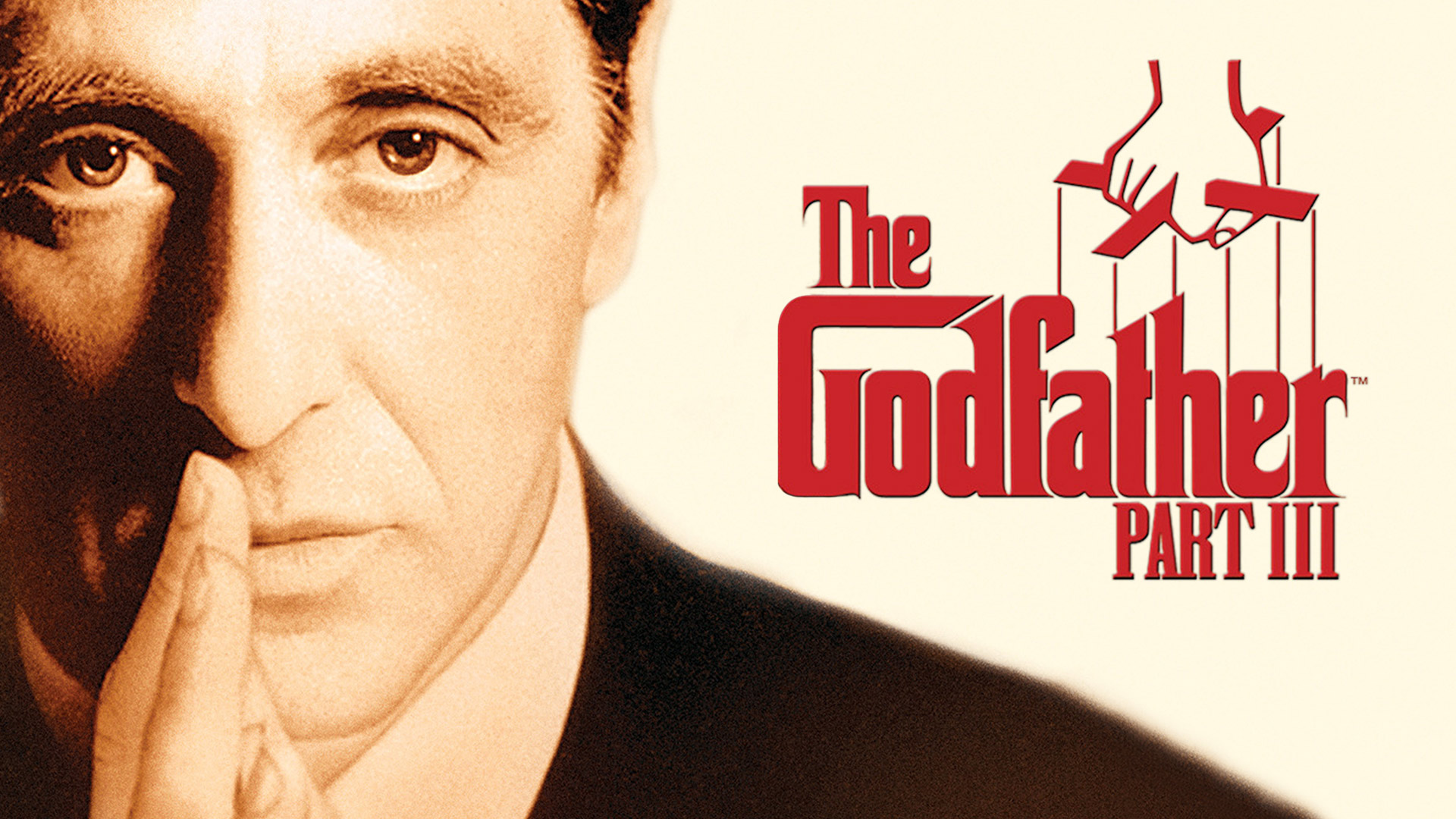
When Francis Ford Coppola returned to the Godfather world in 1990 — sixteen years after Part II — the decision to bring back Richard Bright as Al Neri was a creative and personal acknowledgment of what the character and the actor represented in the trilogy’s architecture.
By Part III, Neri has risen to the position of underboss — reflecting the natural progression of absolute loyalty within the Corleone hierarchy. He is older, as Bright is older, and the physical evidence of the passing years is visible in both the character and the performer in ways that Coppola incorporated into the film’s visual language rather than attempting to conceal.
| Al Neri’s Role — Part III (1990) | Details |
|---|---|
| Position | Underboss of the Corleone family |
| Richard’s Age | 52 at filming |
| Key Act | Killing Archbishop Gilday in the Vatican |
| Significance | Neri’s most audacious act across trilogy |
| Context | Michael’s attempt to legitimise family through Vatican banking |
His killing of Archbishop Gilday in the Vatican — plunging a syringe of air into the corrupt churchman’s arm to simulate a heart attack — is Neri’s most audacious act across the three films. The location, the method, and the target all reflect how far the Corleone family’s reach has extended — and how completely Neri has remained its instrument regardless of the moral landscape the acts require him to traverse.
One of Only Four: The Exclusive Trilogy Club
Richard Bright’s appearance in all three Godfather films places him in an extraordinarily exclusive group — the four actors who appear across the entire trilogy and who represent the through-line of the Corleone story from its beginning to its end.
| Actors in All Three Godfather Films | Character | Notes |
|---|---|---|
| Al Pacino | Michael Corleone | The central figure across all three |
| Diane Keaton | Kay Adams/Corleone | Michael’s wife; moral conscience |
| Talia Shire | Connie Corleone | Michael’s sister; three-film arc |
| Richard Bright | Al Neri | The enforcer; silent presence throughout |
The company he keeps in that group — Pacino, Keaton, Shire — reflects the significance of the Al Neri character to the trilogy’s architecture. Coppola did not return to Bright for Part II and Part III because it was convenient. He returned because the character required the specific qualities that Bright provided and because the continuity of that presence was essential to the visual and emotional language of the films.
Sergio Leone: Once Upon a Time in America (1984)
Richard Bright’s appearance in Sergio Leone’s Once Upon a Time in America (1984) placed him in another of the defining crime epics of his era — alongside Robert De Niro, James Woods, Tuesday Weld, and Elizabeth McGovern in a film that many critics regard as the greatest American gangster film after the Godfather itself.
Playing Chicken Joe — a supporting role in a film whose ensemble was among the most accomplished of the decade — gave Bright another significant credit in the gangster genre and another professional connection to the highest level of the form.
The fact that he was trusted by both Coppola and Leone — the two directors who defined the cinematic gangster in the 1970s and 1980s — reflects the specific professional recognition that his career had earned. These were not directors who settled for adequate. Both chose Bright because he was exactly right for what they needed.
Other Notable Film Work
Across nearly five decades of professional activity, Richard Bright accumulated a filmography of genuine substance — appearing in films that represent the best of American cinema across multiple decades and genres.
| Richard Bright — Notable Filmography | Year | Film | Co-Stars/Director |
|---|---|---|---|
| Odds Against Tomorrow | 1959 | Film | Robert Wise; Harry Belafonte |
| The Panic in Needle Park | 1971 | Film | Al Pacino; Jerry Schatzberg |
| The Getaway | 1972 | Film | Steve McQueen; Sam Peckinpah |
| The Godfather | 1972 | Film | Pacino; Brando; Coppola |
| Pat Garrett and Billy the Kid | 1973 | Film | James Coburn; Sam Peckinpah |
| The Godfather Part II | 1974 | Film | Pacino; De Niro; Coppola |
| Marathon Man | 1976 | Film | Dustin Hoffman; John Schlesinger |
| Looking for Mr. Goodbar | 1977 | Film | Diane Keaton |
| Hair | 1979 | Film | Milos Forman musical |
| Once Upon a Time in America | 1984 | Film | De Niro; Leone |
| Red Heat | 1988 | Film | Schwarzenegger; Walter Hill |
| The Godfather Part III | 1990 | Film | Pacino; Coppola |
| Beautiful Girls | 1996 | Film | Matt Dillon; Timothy Hutton |
Marathon Man (1976) — with Dustin Hoffman and Laurence Olivier in one of the decade’s most celebrated thrillers — and Hair (1979) — Milos Forman’s landmark musical adaptation — demonstrate the range that his career encompassed beyond the gangster genre that generated most of his public recognition.
Television: Law & Order to The Sopranos

Richard Bright’s television career ran parallel to his film work across the same decades — providing the consistent professional activity that sustains a working actor between major film productions.
His most significant television relationship was with Law & Order — the long-running procedural drama that became one of New York television’s defining institutions — where he made multiple appearances between 1992 and 2002 across different roles.
| Richard Bright — Television Credits | Show | Year | Notes |
|---|---|---|---|
| One Life to Live | Soap opera | Various | Early television work |
| Hawaii Five-O | Drama | 1970s | Guest appearances |
| Third Watch | Drama | 1999 | Guest role |
| Oz | HBO drama | 2000 | Guest appearance |
| Law & Order | Procedural | 1992–2002 | Multiple appearances |
| The Sopranos | HBO drama | 2002 | Frank Crisci |
His appearance in The Sopranos (2002) as Frank Crisci placed him — appropriately — in the television series that most directly inherited the Godfather’s legacy and that represented the dominant expression of the American gangster narrative in the early twenty-first century. The casting was a knowing acknowledgment of his place in the genre’s history.
One of the more poignant details of his later television work involves the emphysema that affected his health in his final years — he was occasionally seen using oxygen tanks on set, which were sometimes incorporated into his characters as props rather than disclosed as medical necessities. The professional dedication of continuing to work through serious illness — and the creative pragmatism of making the medical equipment part of the performance — reflects a commitment to the craft that his entire career had demonstrated.
Shakespeare With Al Pacino
The professional relationship between Richard Bright and Al Pacino extended beyond the Godfather trilogy into the theatrical world that both actors regarded as the foundation of their craft.
In 1979, Bright appeared in a stage production of Richard III opposite Al Pacino — bringing Shakespeare to the New York theatre world with the same commitment and intensity that both men brought to their film work.
The production reflected the specific seriousness about craft that characterises actors who genuinely love the work rather than simply the career — the willingness to do Shakespeare for theatre audiences when the film work had made both men recognisable to millions was a statement about where their artistic priorities actually lay.
For Richard Bright specifically, the theatrical work was a reminder that the film roles — including Al Neri — were built on a foundation of stage training and stage discipline that the screen work depended on and that the stage periodically needed to replenish.
Personal Life: Rutanya Alda and Family
Richard Bright married actress Rutanya Alda in 1977 — a union that lasted until his death in 2006 and that provided the personal stability and genuine partnership that a working actor’s life makes structurally difficult to sustain.
Rutanya Alda — a Romanian-born actress whose own career included significant work in American film and television — was both a professional peer and a personal anchor. The marriage of two working actors in New York creates a shared understanding of the professional demands and uncertainties that sustained partnerships between people in very different fields must negotiate across a much wider experiential gap.
| Richard Bright’s Personal Life | Details |
|---|---|
| Wife | Rutanya Alda — actress (m. 1977) |
| Marriage Duration | 29 years — until his death |
| Son | Jeremy Bright (born 1988) |
| Daughter | Diane |
| Home | New York City |
| Personal Approach | Private; work-focused; away from celebrity culture |
Their son Jeremy Bright was born in 1988 — late in both parents’ careers, a child who grew up surrounded by the professional world of working New York actors rather than the Hollywood celebrity culture that their film credits might have suggested as a natural environment.
Richard Bright’s personal life was, like his professional persona, characterised by the absence of unnecessary noise. He did not cultivate a public celebrity identity. He did not seek profile beyond what the work produced. He was a working actor in New York who happened to have appeared in some of the greatest films ever made.
Physical Presence: The Cold Blue Eyes
The physical qualities that made Richard Bright such an effective screen presence — and that made him so perfectly cast as Al Neri — deserve specific acknowledgment because they were central to what the character required and what he consistently delivered.
His piercing blue eyes — noted repeatedly by directors, critics, and colleagues across his career — communicated a specific quality that is almost impossible to manufacture through technique. They were watchful without being warm. Intelligent without being expressive. They held information rather than offering it.
The contrast between his fair complexion and dark hair — characteristic of his Celtic heritage — gave his face a visual distinctiveness that registered immediately on camera. His features had the specific quality of a man who has seen difficult things and has chosen not to discuss them.
His compact physical authority — not large but completely solid, moving with the economical purposefulness of someone who never wastes effort — communicated capability without requiring demonstration. You believed he could do what Al Neri did because his body told you he could before the script gave him the opportunity.
And above all, his stillness — the quality of watchful readiness that made his silences as communicative as other actors’ most elaborate speeches — was the instrument through which the entire Al Neri characterisation was built and sustained across three films and eighteen years.
Death: February 18, 2006
On the morning of February 18, 2006, Richard Bright was walking on the Upper West Side of Manhattan — the neighbourhood he had lived and worked in for decades — when he was struck by a tour bus at the intersection of Columbus Avenue and 86th Street.
He was in a marked crosswalk with the pedestrian walk signal in his favour. The tour bus driver was apparently unaware of the collision until notified by Port Authority officers at a subsequent stop.
| Richard Bright’s Death | Details |
|---|---|
| Date | February 18, 2006 |
| Location | Columbus Avenue at 86th Street — Upper West Side |
| Circumstances | Struck by tour bus in marked crosswalk with walk signal |
| Transported To | Roosevelt Hospital, Manhattan |
| Pronounced Dead | Roosevelt Hospital |
| Age | 68 |
| Criminal Charges | None filed against driver |
| Driver Consequence | License suspended |
| Career at Death | Still actively working — nearly 50-year career |
He was transported to Roosevelt Hospital where he was pronounced dead. He was 68 years old — still actively working, still available to the profession that had claimed his entire adult life.
No criminal charges were filed against the bus driver. The driver’s license was suspended — a consequence that the circumstances of the accident suggest is inadequate, whatever the legal determination of culpability.
The manner of his death — a working actor struck by a tourist vehicle on a Manhattan street he had walked thousands of times, in a crosswalk, with the legal right of way — is the kind of arbitrary cruelty that resists meaningful interpretation. There is nothing instructive or meaningful about it. It is simply the tragic end of a half-century career that deserved a better conclusion.
Legacy: The Silent Man at the Centre
Richard Bright’s legacy is built on a paradox — a career defined by silence that speaks more loudly than most careers built on words.
| Richard Bright’s Legacy | Details |
|---|---|
| Al Neri legacy | One of cinema’s great silent presences |
| Godfather trilogy | One of only four actors in all three films |
| Fredo scene | One of cinema’s most devastating moments |
| Directors | Trusted by Coppola, Peckinpah, Leone simultaneously |
| Free speech | ACLU case — The Beard — genuine civil liberties contribution |
| Professional longevity | Nearly 50 years of consistent serious work |
| Character actor model | The invisible architecture of great ensemble cinema |
| Brooklyn roots | Shipbuilder’s son to cinematic icon |
He appeared in three of the greatest crime films ever made — the Godfather trilogy, The Getaway, and Once Upon a Time in America. He worked with directors who defined American cinema in the 1970s and 1980s — Coppola, Peckinpah, Leone. He fought for free speech in a theatre in 1965 when it cost him his liberty temporarily. He played Shakespeare with Al Pacino. He married a fellow actress and raised two children in New York. He worked until the year he died.
And across all three Godfather films — spanning eighteen years of American cinema’s most celebrated trilogy — he stood behind Michael Corleone and did what was necessary without a word of complaint or explanation.
That is Al Neri. That is Richard Bright. The distinction, by the end, is nearly impossible to make.
Frequently Asked Questions
1. Who was Richard Bright? A Brooklyn-born character actor who played Al Neri — Michael Corleone’s enforcer — across all three Godfather films. One of only four actors to appear in the entire trilogy. He died in 2006 at age 68 after being struck by a tour bus in Manhattan.
2. What is Richard Bright most famous for? Playing Al Neri in The Godfather (1972), The Godfather Part II (1974), and The Godfather Part III (1990) — Michael Corleone’s silent, utterly loyal enforcer.
3. Which actors appeared in all three Godfather films? Only four — Al Pacino, Diane Keaton, Talia Shire, and Richard Bright.
4. What is Al Neri’s most memorable scene? The Fredo scene in Part II — rowing John Cazale’s character onto Lake Tahoe and shooting him in the back of the head while Fredo recites a Hail Mary. One of cinema’s most devastating moments.
5. How did Richard Bright die? He was struck by a tour bus on Columbus Avenue at 86th Street on the Upper West Side of Manhattan on February 18, 2006. He was in a marked crosswalk with the walk signal. He was 68 years old.
6. What other major films did Richard Bright appear in? The Panic in Needle Park (1971), The Getaway (1972), Marathon Man (1976), Once Upon a Time in America (1984), and Pat Garrett and Billy the Kid (1973) among many others.
7. Was Richard Bright ever arrested? Yes — for performing in The Beard (1965), a controversial two-person play. The ACLU defended him and charges were dismissed in a landmark First Amendment ruling.
8. Who was Richard Bright married to? He was married to actress Rutanya Alda from 1977 until his death in 2006. They had two children — son Jeremy and daughter Diane.
Conclusion: The Door Closer
The final image of The Godfather — Al Neri closing the door on Kay as Michael receives the family’s homage — is one of cinema’s most perfect closing shots. It says everything about what Michael has become, about what the Corleone world requires, and about the specific kind of loyal service that makes that world function.
Richard Bright closes that door with the unhurried certainty of someone who has always understood exactly what his job is and has never once flinched from doing it. The blue eyes give nothing away. The face communicates nothing that the scene has not already established. He closes the door and the film ends.
The Brooklyn shipbuilder’s son spent nearly fifty years building the craft that made that moment possible. He fought for free speech in San Francisco. He worked with the greatest directors of his generation. He played Shakespeare. He rowed a boat across Lake Tahoe and performed one of cinema’s most devastating acts with complete impassivity. He stood behind Al Pacino across three films and eighteen years and communicated, through absolute stillness, the weight of absolute loyalty.
He was struck by a tour bus on a Manhattan street he had walked a thousand times and died with his boots on — a working actor until the moment the work stopped.
The door is still closed. Richard Bright closed it.
