Author

Larry Perry

Browsing

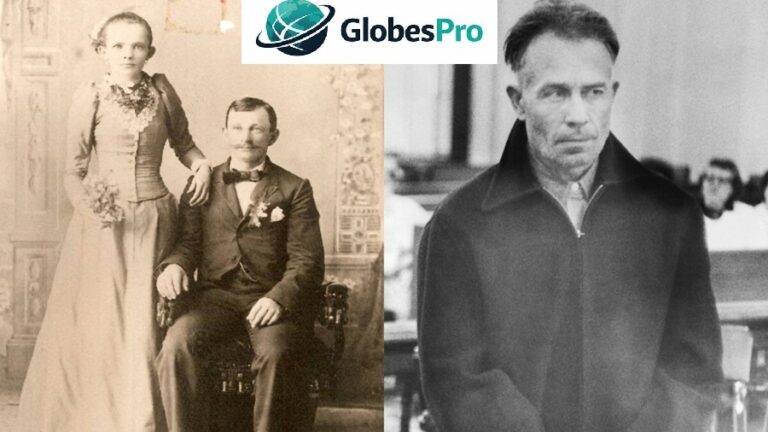
George Philip Gein was the father of Edward Theodore Gein — better known to history as Ed Gein, the Butcher of Plainfield, one of America’s most notorious criminals. Born on August 4, 1873, in Bergen, Wisconsin, George died on April 1, 1940, from heart failure caused by chronic alcoholism. He was 66 years old — and he never lived to see his son’s crimes, his arrest, or the horror that unfolded on that isolated Wisconsin farmstead after his death.

He is not a famous man. He is not a villain in the traditional sense. He is, in many ways, the forgotten figure in a story that has been told thousands of times — a deeply flawed father whose failures helped shape one of the most disturbing cases in American criminal history.

George Philip Gein: Quick Facts

Detail Info
Full Name George Philip Gein
Born August 4, 1873
Birthplace Bergen, Wisconsin, USA
Died April 1, 1940
Death Cause Heart failure (caused by alcoholism)
Burial Plainfield Cemetery, Plainfield, Wisconsin
Wife Augusta Wilhelmine Lehrke (m. December 11, 1900)
Sons Henry George Gein (1901–1944), Edward Theodore Gein (1906–1984)
Occupation Tanner, carpenter, grocery store worker
Portrayed By Darin Cooper (Monster: The Ed Gein Story, Netflix, 2025)

Early Life & Background

George was born into a Wisconsin farming family of German descent. His early years were unremarkable by the standards of rural Wisconsin in the 1870s and 1880s — hard work, limited opportunity, and a life defined largely by the land and the seasons.

He grew up in Bergen, a small community in Vernon County, and worked as a tanner and carpenter in his adult years. Neither profession was glamorous, and neither provided the kind of stable, prosperous foundation that would have made the Gein family’s later struggles easier to bear.

On December 11, 1900, George married Augusta Wilhelmine Lehrke in Hamburg, Vernon County, Wisconsin. He was 27. Augusta was 22. What looked like a conventional rural marriage at the turn of the century would turn into something far more complicated.

The Marriage to Augusta: A Household Built on Resentment

The Gein marriage was, by all historical accounts, a deeply unhappy one — and that unhappiness had consequences that rippled forward across generations.

Augusta was a deeply religious woman, a fervent Lutheran who believed with total conviction that the world was inherently sinful, that alcohol was evil, and that women — all women except herself — were instruments of the devil. She was controlling, cold, and psychologically domineering.

George was nearly her opposite. He drank. He struggled to hold down steady employment. He lacked the drive and discipline that Augusta demanded of everyone around her. She despised him for it.

Aspect George Augusta
Personality Passive, alcoholic, disengaged Controlling, religious, domineering
Role in Family Provider (inconsistent) Absolute moral authority
Relationship With Sons Distant, limited Possessive, psychologically abusive
Stance on Marriage Largely absent emotionally Stayed due to religious beliefs against divorce

Augusta never pursued divorce despite her contempt for George — her religious convictions made that impossible in her mind. So the marriage persisted, cold and resentful, while two boys grew up watching it.

The sons, Henry and Ed, were raised in that atmosphere. George’s alcoholism and passivity meant that Augusta filled the entire emotional and moral space of the household. She became the only authority, the only voice, the overwhelming presence in her sons’ lives.

George as a Father: Absent in the Ways That Mattered

George fathered two sons. Henry George Gein was born in January 1901. Edward Theodore Gein followed in August 1906.

He provided for the family in a basic material sense — working various jobs, helping run the household. But emotionally and psychologically, he was checked out. The alcoholism was a significant part of that. A man who drank excessively was not a man who showed up consistently for his children’s development.

Augusta moved the family to a farm on the outskirts of Plainfield, Wisconsin, partly to isolate herself and her sons from outside influences she considered immoral. That isolation compounded the boys’ limited social world. They had no real community, no friendships outside school that Augusta permitted to develop. They had each other — and they had two parents who modeled dysfunction on a daily basis.

George worked as a grocer at Augusta’s small grocery store for a time, and also continued work as a carpenter and handyman. Community members who knew him during those years described the brothers — Henry and Ed — as reliable and honest workers. George himself doesn’t feature prominently in the community’s collective memory of the Gein family. He was there. He worked. He drank. He faded into the background of a household dominated entirely by his wife.

George’s Death: April 1, 1940

George Philip Gein died on April 1, 1940, in Plainfield, Wisconsin. He was 66 years old. The cause of death was heart failure, directly caused by his decades of heavy drinking.

By the time he died, both his sons were grown men — Henry was 39, Ed was 33. The family had been living on the Plainfield farm for years. Augusta had long since established total control of the household.

His death changed the family dynamic in one specific and important way: it left Ed and Henry to pick up more of the financial slack. The brothers took on additional odd jobs as handymen, and neighbors found them dependable. It was a brief period of apparent normalcy — two adult men supporting a household, working honestly, getting on with their lives.

But George’s death also removed the last buffer, however inadequate, between Augusta and her sons. Whatever presence George had provided — even a passive, alcoholic one — was now gone entirely. Augusta’s grip on Ed in particular tightened further.

What George’s Life Meant for Ed Gein

Ed Gein
Ed Gein

Trying to trace the roots of what Ed Gein became is not a simple exercise, and it would be wrong to reduce it to any single cause. Criminal psychology doesn’t work that way. But the family environment is impossible to ignore.

George represented, in Augusta’s household theology, everything she preached against. He drank. He failed. He was weak. She held him up as an example — implicitly and explicitly — of what men became without moral discipline. She told her sons he was useless. She made clear she despised him.

And yet George never fought back. He never offered a counter-narrative. He never stood between Augusta and her sons in any meaningful way. His passivity gave Augusta total dominance over the household.

Ed, in particular, absorbed everything Augusta taught. He idolized her. He accepted her worldview completely. George was, in Ed’s emotional landscape, an absence — a man who existed in the house but exerted no real influence.

When George died, Ed barely seemed affected. When Augusta died five years later in 1945, Ed was devastated. He preserved her bedroom exactly as she had left it. He sealed off parts of the house. He descended, over the following decade, into the crimes that would eventually define his name in American history.

George’s shadow over all of this is real — not because he was cruel or monstrous, but because he was absent in the ways that mattered most.

George in Popular Culture: Monster — The Ed Gein Story (2025)

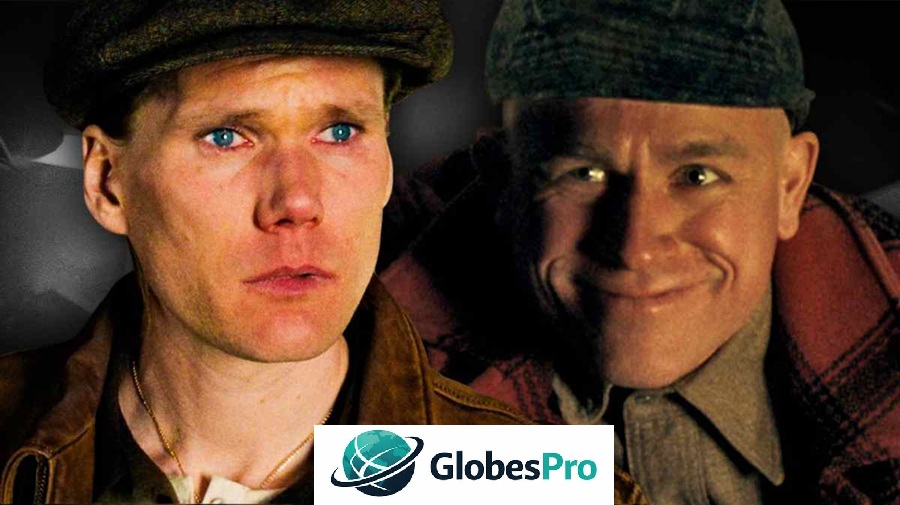
The Netflix series Monster: The Ed Gein Story, which premiered on October 3, 2025, as the third installment in Ryan Murphy and Ian Brennan’s anthology series, brought fresh attention to the entire Gein family — including George.

Actor Darin Cooper portrays George Philip Gein in the series. Notably, his character appears in only one scene — which is itself a telling creative choice. George was a peripheral figure in the real story, and the series reflects that accurately.

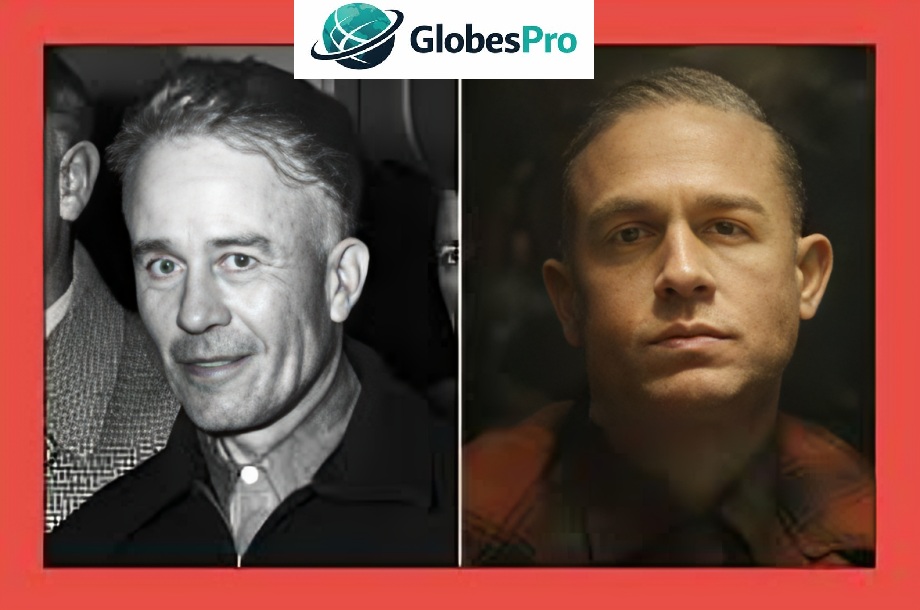
Charlie Hunnam stars as Ed Gein, with Laurie Metcalf playing Augusta. The series focuses heavily on Ed’s relationship with his mother — the central psychological thread that most historians and criminologists consider the dominant influence in his development.

The renewed interest in the series brought many viewers to search for George Philip Gein specifically, wanting to understand who this man was, what he actually did, and how much responsibility — if any — he bears for what his son became.

Production Detail Info
Series Monster: The Ed Gein Story
Network Netflix
Premiere Date October 3, 2025
Actor Portraying George Darin Cooper
Actor Portraying Ed Charlie Hunnam
Actor Portraying Augusta Laurie Metcalf
George’s Screen Time One scene

George Philip Gein vs. Augusta Gein: The Contrast

It’s impossible to discuss George without comparing him to Augusta, because the contrast between them is what defined the Gein household.

Augusta has received extensive psychological analysis over the decades. She is widely considered one of the primary figures in understanding Ed’s psychology — her religious extremism, her possessiveness, her contempt for all women outside herself, and her emotional manipulation of Ed are well-documented.

George gets far less attention. He was, in a sense, the anti-Augusta — passive where she was active, weak where she was forceful, disengaged where she was consuming. In a healthier family structure, a father’s stable, grounded presence can provide a counterweight to an overbearing mother. George provided no such counterweight.

That failure is not the same as malevolence. George Gein was not a cruel man. He was not violent. He was not a monster. He was an alcoholic who couldn’t keep steady work, married a woman who made no secret of her contempt for him, and raised two sons in a household where he had effectively surrendered all authority.

The result, in the case of his younger son, was catastrophic.

Henry Gein: The Brother Who Saw Clearly

Henry Gein
Henry Gein

George and Augusta’s older son Henry deserves mention here because his story is directly connected to his father’s legacy and his own complicated death.

Henry was born on January 17, 1901, making him five years older than Ed. He worked alongside Ed as a handyman after their father’s death and, unlike Ed, showed signs of breaking free from Augusta’s influence. He began dating a divorced woman with two children — something Augusta would have found deeply objectionable. He spoke critically of his mother around Ed, openly questioning her behavior.

On May 16, 1944, Henry and Ed were burning marsh vegetation on the farm property. The fire got out of control. When the firefighters left at the end of the day, Ed reported Henry missing. A search party found Henry’s body face down in an area that had not been touched by the fire.

Henry had bruises on his head. No autopsy was performed. The official cause of death was listed as asphyxiation. No investigation was conducted.

Many criminologists and historians have since concluded it is likely — possible at minimum — that Ed killed his brother. Henry had been pulling away from Augusta. Ed could not tolerate that. With Henry gone, Ed and Augusta were alone together for the final year of her life.

George Gein never knew any of this. He was already four years dead.

Burial & Legacy

George Philip Gein is buried at Plainfield Cemetery in Plainfield, Wisconsin — the same cemetery where Augusta and Ed are also interred. The Gein family plot sits in a small, quiet corner of a small, quiet Wisconsin town that became famous for all the wrong reasons.

Ed’s gravestone was repeatedly vandalized by souvenir seekers over the years, with pieces chipped away until the stone itself was stolen in 2000. It was recovered near Seattle in 2001 and placed in storage. Ed’s grave has remained unmarked since.

George and Augusta’s graves have received far less attention. They are not the names people come looking for.

FAQs

Who was George Philip Gein? He was the father of serial killer Ed Gein, born in Bergen, Wisconsin on August 4, 1873. He worked as a tanner, carpenter, and grocer, and died of heart failure caused by alcoholism on April 1, 1940.

What did George Philip Gein do for a living? He worked as a tanner, carpenter, and helped operate Augusta’s small grocery store. He also took on handyman work throughout his adult life.

How did George Philip Gein die? He died on April 1, 1940, at the age of 66, from heart failure caused by his chronic alcoholism.

Was George Philip Gein abusive? There is no historical record of George being physically violent or abusive. He was largely passive and disengaged — an alcoholic who effectively surrendered authority in the household to Augusta entirely.

Who plays George Philip Gein in the Netflix series? Actor Darin Cooper portrays George Philip Gein in Monster: The Ed Gein Story (Netflix, 2025), though the character appears in only one scene.

Where is George Philip Gein buried? He is buried at Plainfield Cemetery in Plainfield, Waushara County, Wisconsin.

Did George Gein know about Ed’s crimes? No. George died in 1940 — seventeen years before Ed’s arrest in 1957. He had no knowledge of what his son would eventually become.

Conclusion

George Philip Gein was not a remarkable man. He was an alcoholic carpenter from rural Wisconsin who married a woman who despised him, fathered two sons he couldn’t adequately parent, and died quietly at 66 from the consequences of his own choices.

He was not evil. He was not monstrous. He was inadequate in ways that had consequences far beyond anything he could have imagined — or lived to see.

History remembers the Gein name for Ed’s crimes. Augusta gets analyzed extensively for her psychological impact. George gets one scene in a Netflix series and a footnote in most books.

But understanding who George was — his passivity, his alcoholism, his complete surrender of parental presence — is part of understanding how a household becomes the kind of place that shapes a broken person. He didn’t create Ed Gein. Nothing is ever that simple. But he also never stood in the way of what Augusta was building, and that absence has its own weight.

He is buried in Plainfield. The town has never fully shaken the name his son made famous. And George Philip Gein, the man who started it all by simply not being present enough, rests quietly beside the family he never really held together.

In the modern landscape of celebrity, it is common to see siblings of famous actors attempt to capitalize on their family name to secure a quick path to stardom. However, Nikane Madeira defies this cliché. While many search for his name because of his connection to his sister—the globally recognized actress Kiana Madeira—they stay because of the grit, soul, and undeniable talent he brings to the Canadian music scene.

Nikane Madeira is a Canadian musician, lyricist, and creative professional who has spent over a decade honing a sound that is as diverse as his heritage. From his early days performing under the moniker Efflo Tu to his current identity as a mature, independent artist, Nikane has prioritized artistic integrity over easy fame. He is not just “Kiana Madeira’s brother”; he is a vital piece of the Greater Toronto Area’s (GTA) creative puzzle.

Quick Bio: Nikane Madeira

Feature Details
Full Name Nikane Madeira
Birthplace Toronto, Ontario, Canada
Current Age Late 30s (approx.)
Primary Profession Musician, Songwriter, Lyricist
Musical Alias Efflo Tu (former)
Sister Kiana Madeira (Fear Street, Trinkets)
Heritage Portuguese, First Nations, Irish, Black Canadian
Notable Works Patience, Trendsetter, MADNESS (Collaborator)

I. Early Life & The Power of Heritage

Nikane was born in Toronto and raised in Mississauga, a city known for its massive diversity and “suburban-metropolitan” energy. Growing up in the Madeira household meant living in a space where creativity was encouraged from day one.

A Multicultural Foundation

The Madeira siblings share a rich, intersectional background that heavily influences Nikane’s lyrical themes. On their father’s side, they are of Portuguese descent. On their mother’s side, the lineage is a beautiful tapestry of First Nations, Irish, and Black Canadian heritage.

This mix of cultures provided Nikane with a unique vantage point. His music often touches on themes of identity, the feeling of being an “outsider,” and the resilience required to navigate a world that often tries to categorize people into singular boxes. In his early years, this diversity wasn’t just a fact of life—it was the fuel for his storytelling.

II. His Music Career: The Evolution of Efflo Tu

Long before the world knew him as Nikane Madeira, the Toronto underground scene knew him as Efflo Tu. This alias allowed him to experiment with his sound without the baggage of his real name or his sister’s rising profile.

The Efflo Tu Era

Under this name, Nikane released a series of tracks that blended traditional hip-hop with more experimental, rhythmic structures. His early work was characterized by a rapid-fire delivery and a penchant for “conscious” lyrics.

  • “Patience”: A track that serves as a manifesto for his career, emphasizing the “slow-burn” approach to success.

  • “Trendsetter”: A playful yet sharp critique of the fleeting nature of social media fame.

  • “Big Responsibility”: A more somber, reflective piece about the weight of representing one’s community and family.

The Pivot to “Nikane Madeira”

As he matured, Nikane dropped the alias. This shift was more than just a branding change; it was a move toward radical authenticity. By performing under his real name, he signaled a desire to be seen as a whole person—an artist who is proud of his family legacy while standing firmly on his own creative feet.

III. Street Performances & Toronto’s Underground Roots

Nikane’s journey is not one of overnight success via viral clips. He is an artist who “did the work.” He is a frequent fixture in the Toronto and Mississauga busking scenes, often found freestyling in public squares or performing at small, intimate venues like the Drake Underground.

The Power of Busking

For Nikane, the street is the ultimate training ground. It is where he learned to capture an audience’s attention in seconds. This “grassroots” approach earned him the respect of other local heavyweights. He has collaborated with artists like Two-Bit, Coolface, and Buddah Abusah, creating a network of support that bypasses the traditional gatekeepers of the music industry.

Collaboration Over Competition

In the GTA music scene, Nikane is known as a “bridge-builder.” He is often the person connecting different genres, from boom-bap hip-hop to more melodic R&B. His ability to adapt his flow to various beats makes him one of the most versatile lyricists in the region.

IV. Studio Work & Notable Collaborations (2024–2025)

As of 2026, Nikane’s professional footprint has expanded into high-level studio production and songwriting. One of his most significant partnerships is with the producer/collective known as DR MAD.

The M.A.D. (My Artificial Dream) Project

In late 2024 and throughout 2025, Nikane has been a key lyricist and vocalist for the M.A.D. project. This experimental soundscape blends drum and bass with gritty, industrial rap.

  • “MADNESS” (2024): Nikane provided the lead verses, showcasing a darker, more aggressive vocal style that resonated with the UK and Canadian electronic music scenes.

  • “HARD BODY” (2025): A high-energy track that highlights Nikane’s physical and vocal stamina. This track has become a staple in underground workout and dance playlists across North America.

Table: Nikane Madeira Discography Highlights

Year Title Role Style
2019 Patience Lead Artist (as Efflo Tu) Conscious Hip-Hop
2021 Trendsetter Lead Artist Alternative Rap
2024 MADNESS Lyricist / Vocalist Drum & Bass / Grime
2025 HARD BODY Lead Vocalist Industrial Hip-Hop

V. The Kiana Madeira Connection: Creative Allies

It is impossible to discuss Nikane without mentioning his sister, Kiana Madeira. However, their relationship is far from the typical “celebrity and sibling” dynamic.

Mutual Support

Kiana has been her brother’s loudest cheerleader since day one. She frequently shares his new tracks on her social media, often referring to him as her biggest inspiration. In 2021, when Kiana was promoting the Fear Street trilogy on Netflix, she made a point to mention Nikane’s music in several press junkets, emphasizing that the “Madeira grit” comes from their shared upbringing.

The “Little Mosque” Connection

In a fun piece of trivia for Canadian TV fans, both Nikane and Kiana appeared in the same episode of the hit sitcom Little Mosque on the Prairie back in 2007. While Kiana pursued the acting path fully, Nikane used that experience to realize that his true passion was audio, not visual. He chose the microphone over the camera, a decision that allowed him to maintain a level of privacy that Kiana—as a global star—often cannot.

VI. Musical Style & Lyrical Themes

If you were to categorize Nikane Madeira’s music in 2026, it would sit at the intersection of Alternative Hip-Hop and Electronic Grime.

  1. Resilience: His lyrics often deal with “the grind”—the daily effort to keep one’s head above water in a competitive industry.

  2. Identity: As a man of mixed heritage, he explores what it means to belong to many worlds but sometimes feel at home in none.

  3. Self-Expression: He avoids the “flex culture” of modern rap, focusing instead on internal emotional states and the importance of mental health.

VII. Public Presence & The “Slow Burn” Strategy

Nikane Madeira manages his public image with intentionality. He is not a “clout-chaser.” His Instagram is a curated look at his studio life, his family, and his love for Toronto’s architecture and street art.

The Low-Drama Approach

In an era where many artists use controversy to stay relevant, Nikane has chosen the opposite path. He stays out of the tabloids, focuses on his craft, and lets the quality of his verses speak for themselves. This has earned him a “loyalist” fanbase—listeners who value his music because it feels real, not because it’s trending.

Frequently Asked Questions (FAQ)

1. Who is Nikane Madeira?

Nikane Madeira is a Toronto-based musician and lyricist known for his work in the underground hip-hop and electronic scenes. He is also the older brother of actress Kiana Madeira.

2. What was his rap name?

Earlier in his career, Nikane performed under the alias Efflo Tu. He now primarily releases music under his own name or in collaboration with projects like DR MAD.

3. Is he an actor?

While he had a minor cameo in Little Mosque on the Prairie in 2007, Nikane has not pursued acting professionally, choosing to focus entirely on his music career.

4. Where can I listen to his music?

His music is available on most major streaming platforms (Spotify, Apple Music, SoundCloud) under both “Nikane Madeira” and “Efflo Tu.”

5. Where is he from?

He was born in Toronto and raised in Mississauga, Ontario, Canada.

Conclusion: An Artist for the Long Haul

Nikane Madeira is a reminder that being “related to a star” is only a small part of a person’s story. His journey as an artist is defined by a decade of busking, studio sessions, and a relentless commitment to his own voice. In 2026, as he continues to collaborate with innovative producers and refine his industrial-rap sound, it is clear that Nikane isn’t just riding his sister’s coattails—he is building a legacy that is entirely, authentically his own.

He is an artist for the long haul: patient, talented, and fiercely independent.

Would you like me to look into a detailed track-by-track breakdown of his latest 2025 releases, or perhaps a more in-depth look at his sister Kiana’s upcoming projects in 2026?

Evangeline Lilly is a Canadian actress, author, and activist best known for two career-defining roles — Kate Austen in the groundbreaking ABC drama Lost and Hope Van Dyne / The Wasp in Marvel’s Ant-Man franchise. Born on August 3, 1979, in Fort Saskatchewan, Alberta, she spent her early twenties working as a flight attendant to fund her university studies — with absolutely no intention of becoming an actress — before a chance encounter with a talent agent in 2004 redirected the entire trajectory of her life. Within months of that encounter she was one of the most watched actresses on American television.

If you’re here for a quick answer — Evangeline Lilly is a Canadian actress who rose to global fame playing Kate Austen in Lost (2004–2010), appeared in Peter Jackson’s The Hobbit trilogy as the elf warrior Tauriel, and became a central figure in the Marvel Cinematic Universe as The Wasp. She has two children with her long-term partner Norman Kali, has published a children’s book, and has consistently spoken about her genuine discomfort with celebrity culture throughout a career that has made her one of the most recognizable faces in global entertainment. Here is her complete story.

Quick Facts

Detail Information
Full Name Nicole Evangeline Lilly
Date of Birth August 3, 1979
Place of Birth Fort Saskatchewan, Alberta, Canada
Nationality Canadian
Profession Actress, Author
Known For Lost, The Hobbit, Marvel MCU (The Wasp)
Partner Norman Kali (2010–present)
Children Two sons
Ex-Husband Murray Hone (2003–2004)
Ex-Partner Dominic Monaghan (2004–2007)
Book The Squickerwonkers (2013)
Estimated Net Worth $15 million
Golden Globe Nominated — Best Actress Drama, 2006

Early Life and Background

Nicole Evangeline Lilly was born on August 3, 1979, in Fort Saskatchewan — a small city just outside Edmonton in Alberta, Canada. The family eventually relocated to British Columbia, where Evangeline spent most of her formative years growing up in what she has described as financially modest circumstances.

She was one of four children in a family where money was genuinely tight. From the age of 14, Evangeline was working — not as a childhood acting ambition but out of practical necessity, contributing to the household and funding her own needs. That early experience of financial pressure shaped her relationship with money and success in ways that would surface repeatedly in her later public statements about fame and materialism.

The University Years

Despite the financial constraints, Evangeline was academically ambitious. She enrolled at the University of British Columbia to study International Relations — a degree that reflects a serious intellectual engagement with the world rather than any entertainment aspiration. She wanted to understand geopolitics, diplomacy, and global power structures. Acting was not in the plan.

To fund her studies, she worked as a flight attendant — a job that requires genuine interpersonal skill, composure under pressure, and the ability to read people quickly. Skills, as it turned out, that translated rather well to acting.

She was working that flight attendant job, juggling university, and building an ordinary life in British Columbia when everything changed.

The Discovery — 2004

The Talent Agent

In 2004, Evangeline was approached by a talent agent in British Columbia. The agent saw something — a physical presence, a natural charisma, something that registered as potentially significant — and suggested she consider auditioning professionally.

Evangeline had no acting training. No formal preparation. No particular desire to be famous. By her own account, she was skeptical and resistant. Fame was not something she sought — a position she has maintained consistently across her entire career, which makes her eventual level of global recognition genuinely ironic.

She auditioned anyway. And the audition that mattered most led her directly to one of the biggest television productions of the decade.

Lost — The Audition

The casting process for Lost — a new ABC drama from J.J. Abrams about survivors of a plane crash on a mysterious island — was extensive. The show had an enormous ensemble cast and required actors who could sustain long-form dramatic work across potentially many seasons.

Evangeline auditioned for the role of Kate Austen — a fugitive with a complicated past who becomes one of the show’s central characters — and got it. She went from flight attendant to series regular on one of the most anticipated new shows of the television season in a matter of months.

The speed of that transition is genuinely remarkable. Most actors spend years — sometimes decades — building toward a role of that size. Evangeline essentially walked in off the street, albeit with natural gifts that the camera recognized immediately.

Lost — The Role That Made Her Famous

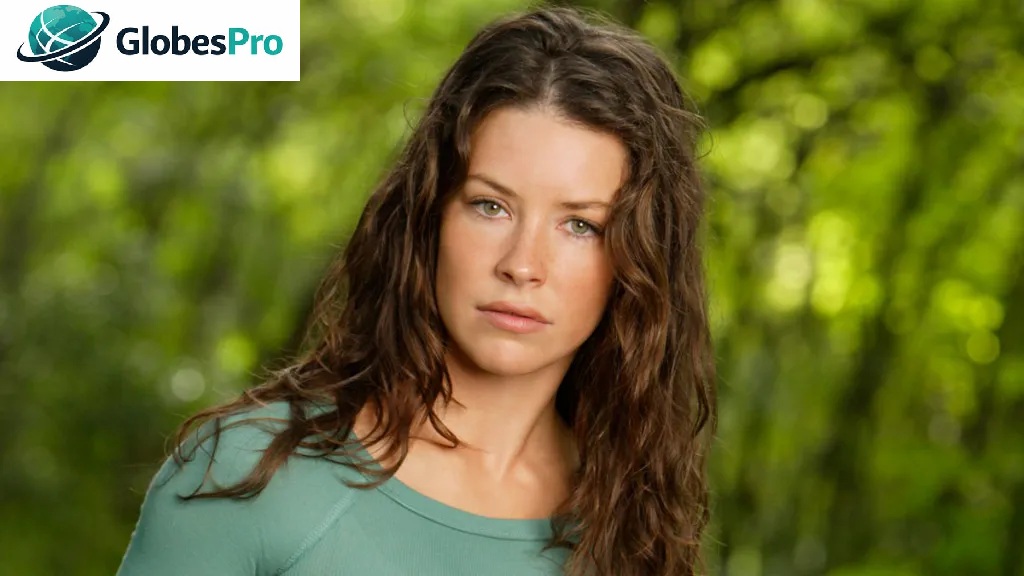
Evangeline Lilly

The Show

Lost premiered on ABC on September 22, 2004, and became one of the defining television events of the 2000s. Created by J.J. Abrams, Damon Lindelof, and Jeffrey Lieber, the show followed the survivors of Oceanic Flight 815 after their plane crashed on a remote and deeply mysterious island.

What made Lost different from other survival dramas was its extraordinary ambition — the island had supernatural properties, the characters had deeply interwoven backstories revealed through flashbacks, and the mythology expanded into time travel, alternate timelines, and existential philosophy. At its peak it was drawing over 20 million viewers per episode in the United States — numbers that feel almost mythological in today’s fragmented streaming landscape.

Kate Austen

Evangeline played Kate Austen — one of the show’s most complex and consistently central characters. Kate was a fugitive, haunted by what she had done and why, trying to build something new while the island kept pulling the past back to the surface.

The role demanded genuine dramatic range — physical action sequences, emotional vulnerability, moral ambiguity, and the kind of sustained character consistency across six seasons that separates good actors from great ones. Evangeline delivered all of it.

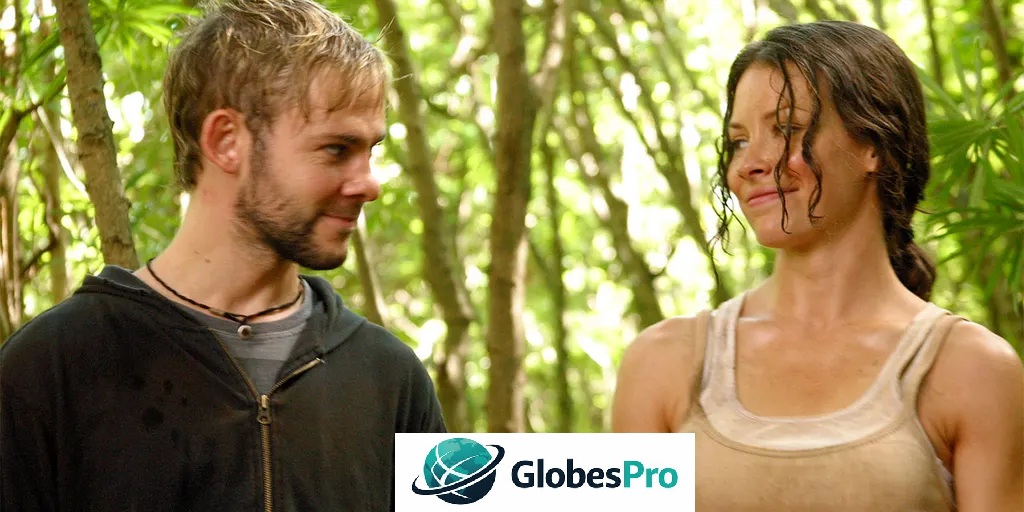
Her chemistry with Matthew Fox (Jack) and Josh Holloway (Sawyer) generated one of television’s great love triangle dynamics — audiences were passionately divided between Team Jack and Team Sawyer in ways that drove genuine cultural conversation for years.

Life During Lost — Behind the Scenes

Filming in Hawaii

Lost was filmed almost entirely on location in Hawaii — specifically Oahu, whose lush jungle terrain provided the visual environment the island demanded. For the cast, this meant living and working in Hawaii for the better part of six years — an unusual existence that combined the extraordinary beauty of the location with the isolation of being far from the entertainment industry’s main centers.

The physical demands of filming were genuine. The outdoor locations, the action sequences, the Hawaiian humidity — all of it required actors who were physically capable and mentally resilient. Evangeline handled it with the kind of athletic competence that would later serve her well in both The Hobbit and Marvel.

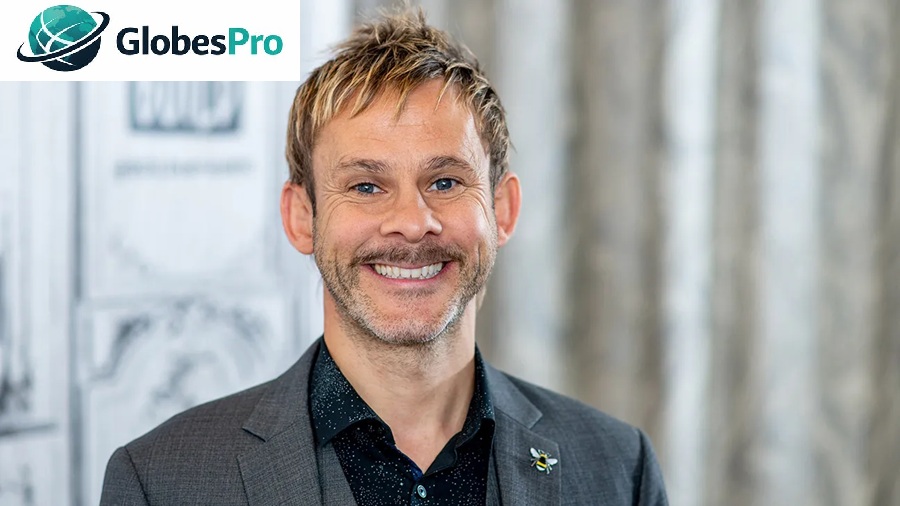
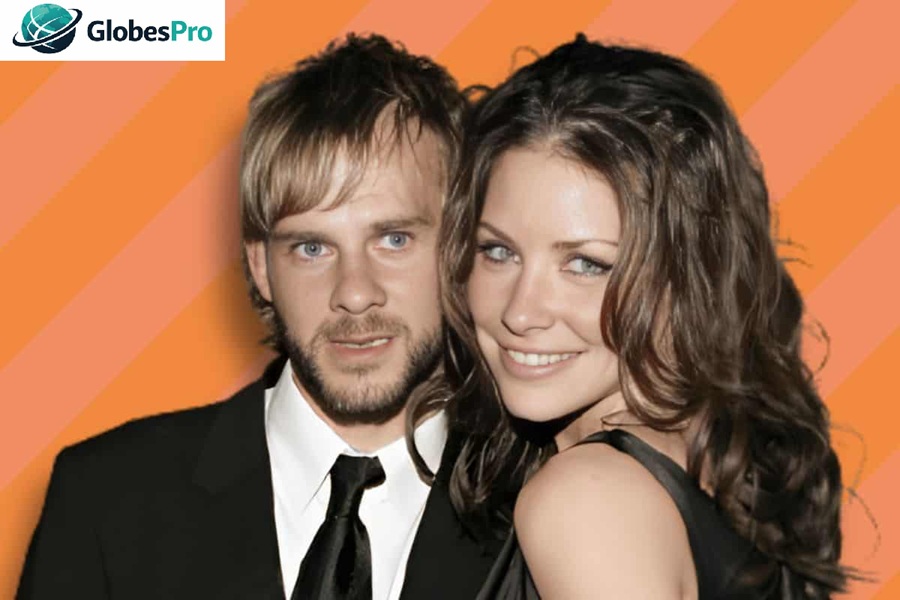
Dominic Monaghan

Dominic Monaghan

During the early years of Lost, Evangeline entered a relationship with co-star Dominic Monaghan — the British actor playing Charlie Pace, a musician with a complicated relationship with addiction. Their romance played out partly in public, given both parties’ rising profiles, and lasted approximately from 2004 to 2007.

The relationship ended, and Evangeline moved forward — eventually finding the more settled partnership with Norman Kali that has defined her personal life since approximately 2010.

Genuine Discomfort With Fame

One of the more consistently interesting aspects of Evangeline’s public persona during the Lost years was her transparent ambivalence about celebrity. She did not pretend to enjoy the attention. She spoke openly in interviews about finding fame uncomfortable, about missing the anonymity of her pre-Lost life, about the strangeness of being recognized everywhere after years of complete obscurity.

This honesty — unusual in an industry where actors typically perform enthusiasm for the trappings of success — made her more interesting to follow, not less.

Post-Lost Career — Finding Her Footing

The end of Lost in 2010 presented Evangeline with the challenge that faces every actor coming off a massively successful long-running series — how do you follow something that big without spending the rest of your career defined entirely by it?

Her post-Lost film work included Real Steel (2011) — a science fiction drama starring Hugh Jackman about robot boxing — in which she played a supporting role that demonstrated her ability to hold her own in a major studio production without the safety net of an established ensemble around her.

The more significant post-Lost move, however, came when Peter Jackson came calling.

The Hobbit — Tauriel and Middle Earth

The Casting

Peter Jackson’s decision to adapt J.R.R. Tolkien’s The Hobbit into a three-film trilogy created one of cinema’s most anticipated productions. The original Lord of the Rings trilogy had been a global phenomenon, and the return to Middle Earth generated extraordinary expectation.

Evangeline was cast as Tauriel — a character created specifically for the films, not present in Tolkien’s original novel. Tauriel is a Wood-elf warrior, Captain of the Elven Guard of Mirkwood, who becomes entangled in the dwarves’ quest and develops a romantic connection with the dwarf Kíli.

The Role

Playing Tauriel required extensive combat training — the character is an exceptional fighter whose action sequences demanded real physical capability. Evangeline trained for months to develop the fluid, precise fighting style that Wood-elves in Jackson’s Middle Earth are characterized by.

Working alongside Ian McKellen, Orlando Bloom, Richard Armitage, and the ensemble of dwarves gave her an experience that was, by her account, one of the most creatively fulfilling of her career.

The character was not without controversy — purists objected to the addition of a character not in the source material, and the romantic subplot involving Kíli divided audiences. But Evangeline’s performance was consistently praised, and Tauriel became one of the more memorable additions to Jackson’s Middle Earth.

Marvel — Becoming The Wasp

The Introduction — Ant-Man (2015)

Evangeline joined the Marvel Cinematic Universe in Ant-Man (2015), playing Hope Van Dyne — the daughter of original Ant-Man Hank Pym (Michael Douglas) and the original Wasp Janet Van Dyne (Michelle Pfeiffer). In the first film, Hope is a formidable presence who trains Scott Lang (Paul Rudd) while being denied the suit she clearly deserves more than he does.

The dynamic between Hope and Scott — competence vs. charm, seriousness vs. humor — generated immediate audience chemistry and set up the sequel perfectly.

Ant-Man and the Wasp (2018)

The sequel gave Hope exactly what the first film had withheld — the suit. As The Wasp, Hope Van Dyne became a full superhero in her own right, co-leading the film with Paul Rudd in what was one of the MCU’s more genuinely fun and tonally consistent entries.

Evangeline brought to The Wasp the same qualities that had defined her best work — physical capability, emotional intelligence, and a refusal to play the character as anything less than fully competent and fully human simultaneously.

Avengers: Endgame (2019)

The Wasp’s appearance in Avengers: Endgame — the culmination of over a decade of MCU storytelling — placed Evangeline in one of the most commercially successful films in cinema history. The ensemble battle sequence in the film’s final act, featuring virtually every Marvel hero, was a genuinely emotional cinematic moment for audiences who had invested years in these characters.

Quantumania (2023)

Ant-Man and the Wasp: Quantumania sent Hope and Scott into the Quantum Realm for a third standalone adventure. The film received mixed critical reviews but demonstrated the continued central importance of both characters to the MCU’s ongoing narrative.

Marvel Career Table

Film Year Character Notable Detail
Ant-Man 2015 Hope Van Dyne MCU introduction; suit denied
Ant-Man and the Wasp 2018 Hope Van Dyne / The Wasp Becomes full superhero
Avengers: Endgame 2019 The Wasp Ensemble MCU culmination
Ant-Man and the Wasp: Quantumania 2023 The Wasp Quantum Realm adventure

Personal Life — Relationships and Family

Murray Hone

Murray and Evangeline

Evangeline’s first marriage — to Canadian hockey player Murray Hone in 2003 — lasted approximately one year before ending in divorce in 2004. The timing of the split coincided almost exactly with her casting in Lost — and while neither party has ever detailed the reasons for the divorce, the imminent and complete transformation of her life clearly represented a significant factor in whatever happened between them.

Dominic Monaghan

The relationship with Lost co-star Dominic Monaghan lasted from approximately 2004 to 2007. It was higher profile than the Hone marriage simply because both parties were now public figures navigating their relationship in the context of a globally watched television show.

Norman Kali

Norman Kali evangeline lilly

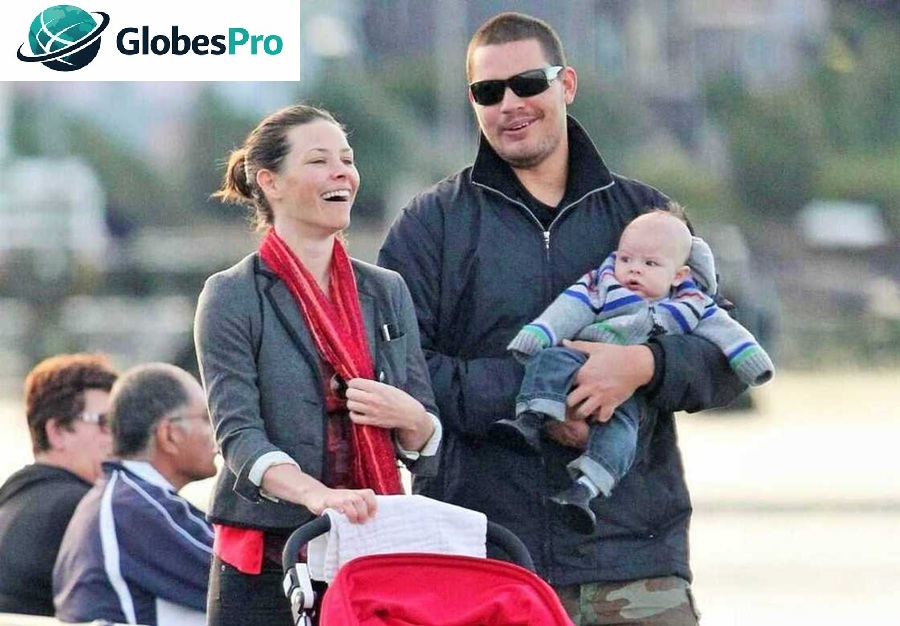
Since approximately 2010, Evangeline has been in a long-term relationship with Norman Kali — a production assistant she met through the entertainment industry. The relationship has been notably stable and private — consistent with Evangeline’s broader approach to personal life.

They have two sons together, whose names and personal details Evangeline has kept carefully out of public circulation. She has spoken about motherhood with evident warmth and has described her children as the central priority of her life.

Relationships Timeline

Partner Years Details
Murray Hone 2003–2004 Brief marriage; hockey player
Dominic Monaghan 2004–2007 Lost co-star relationship
Norman Kali 2010–present Long-term partner; two sons

The Author — The Squickerwonkers

In 2013, Evangeline published The Squickerwonkers — a children’s book she had actually been working on for years before its eventual release. The book features a cast of puppet characters called Squickerwonkers who each represent a different vice, aimed at teaching children about character through imaginative storytelling.

The project reflected genuine creative investment rather than celebrity cash-in — she had developed the concept long before her Marvel career gave her the profile to easily publish anything. A sequel followed, demonstrating continued commitment to the project.

The book was warmly received and confirmed what her acting work had always suggested — that Evangeline Lilly has genuine creative instincts that extend beyond performing other people’s material.

Controversy — COVID-19 Statements (2020)

In early 2020, as the COVID-19 pandemic began shutting down public life globally, Evangeline posted on social media about attending her children’s gymnastics camp despite lockdown measures — stating that she believed in freedom of choice and implying skepticism about the severity of the situation.

The reaction was swift and largely negative. Colleagues, fans, and commentators criticized the posts as irresponsible and tone-deaf to the genuine danger the pandemic represented for vulnerable people.

Evangeline subsequently posted a more fulsome acknowledgment of the hurt her posts had caused — expressing genuine concern for those affected and walking back the more dismissive elements of her original position.

The controversy was a genuine blemish on her public image and generated the most critical media coverage of her career. How much lasting damage it caused is difficult to assess — her subsequent Marvel work continued without apparent industry consequence, but the episode remains part of her public record.

Activism and Personal Values

Outside of the COVID controversy, Evangeline’s public statements on values and lifestyle reflect a consistent philosophical position — genuine skepticism about materialism, discomfort with the entertainment industry’s excesses, and a desire to live with more intention than celebrity culture typically allows.

She has spoken about:

  • Environmental concerns and sustainable living
  • Spirituality as a personal anchor outside of professional identity
  • Rejection of materialism — repeatedly expressing preference for a simpler life
  • Fame’s costs — the loss of privacy and ordinary human experience
  • Motherhood as the most meaningful part of her life

These positions feel genuine rather than performed — they are consistent across many years of interviews and don’t appear to be carefully managed PR positioning.

Net Worth and Financial Overview

Her net worth is $15 million reflects a career built on sustained quality work across multiple major franchises rather than a single windfall. The MCU in particular has been financially significant — Marvel’s salary structures for established characters in ensemble films are substantial.

Frequently Asked Questions

Q: Who is Evangeline Lilly? Evangeline Lilly is a Canadian actress best known for playing Kate Austen in Lost and Hope Van Dyne / The Wasp in Marvel’s Ant-Man franchise.

Q: What is Evangeline Lilly’s most famous role? Most people cite either Kate Austen in Lost — which earned her a Golden Globe nomination — or The Wasp in the MCU as her most significant role.

Q: Is Evangeline Lilly married? She is not currently married — she is in a long-term relationship with Norman Kali, with whom she has two sons.

Q: What is Evangeline Lilly’s net worth? Her estimated net worth is approximately $15 million, accumulated across Lost, The Hobbit, and multiple Marvel films.

Q: Is Evangeline Lilly still in the MCU? Her future in the MCU beyond Quantumania has not been officially confirmed — Marvel’s post-Endgame phase has involved significant cast changes and restructuring.

Q: Did Evangeline Lilly write a book? Yes — she published The Squickerwonkers in 2013, a children’s book featuring puppet characters representing different vices, with a sequel following later.

Conclusion

Evangeline Lilly’s career arc is one of the more genuinely unusual in modern Hollywood — not because of the roles she played, impressive as they are, but because of the person who played them.

There is something genuinely compelling about a person who achieves extraordinary things in a field they didn’t seek — and who continues to achieve them while maintaining an honest ambivalence about what achieving them has cost.

Evangeline Lilly went from a British Columbia flight attendant to an Avenger. The journey was never the plan. But somewhere along the way, it became the story — and it turns out to be a pretty good one.

Taran Noah Smith is an American former child actor best known for playing Mark Taylor — the youngest son in the massively popular ABC sitcom Home Improvement, which ran from 1991 to 1999. He joined the cast as a seven-year-old and spent nearly a third of his entire life filming the show, growing up quite literally in front of millions of American television viewers every week. By the time the show ended, he was 15 years old and had already lived more professional life than most adults ever do.

If you’re here for a quick answer — Taran Noah Smith is the former child actor from Home Improvement who, after the show ended, went through a very public and turbulent period involving a legal battle with his parents over his trust fund, a controversial marriage to a woman 16 years his senior at age 17, a vegan food business that became a legal dispute, and eventually a complete departure from Hollywood altogether. His story is one of the most compelling — and genuinely human — child star narratives in modern entertainment history.

Quick Facts — Wiki-Style Table

Detail Information
Full Name Taran Noah Smith
Date of Birth April 8, 1984
Place of Birth San Francisco, California, USA
Nationality American
Profession Former Actor
Known For Mark Taylor on Home Improvement
Years Active 1991 – 2000
Ex-Wife Heidi Van Pelt (married 2001, divorced 2007)
Age at Marriage 17 years old
Business Playfood (vegan food company)
Current Status Private life; out of Hollywood
Estimated Net Worth $300,000 – $500,000 (disputed)
Zodiac Sign Aries
Hair Color Brown
Eye Color Brown

Early Life and Background

Taran Noah Smith was born on April 8, 1984, in San Francisco, California. He grew up in a creative household — his parents, David Smith and Candy Bennici, were both involved in the arts and entertainment world, which likely made the path into acting feel more natural and accessible than it might for most children.

San Francisco in the early 1980s was a vibrant, culturally rich environment. Taran showed an early natural charisma and comfort in front of people — qualities that got noticed quickly and led to his entry into professional acting before most kids his age were thinking about anything beyond elementary school.

Taran Noah Smith

His childhood, in the conventional sense, was brief. By the time he was seven years old, he was a working professional on one of the most-watched television shows in America. That kind of early entry into professional life shapes everything — your sense of identity, your relationship with normalcy, your understanding of what the world expects from you.

It’s worth sitting with that for a moment before judging any of the decisions he made later. He was never really just a kid.

The Big Break — Home Improvement

The Show

Home Improvement premiered on ABC on September 17, 1991, and became one of the defining sitcoms of the entire decade. Created by Matt Williams, Carmen Finestra, and David McFadzean, the show starred Tim Allen as Tim “The Tool Man” Taylor — a bumbling but lovable television host obsessed with power tools, sports, and masculine one-upmanship.

The show was warm, funny, family-friendly, and enormously popular. At its peak it was pulling in over 20 million viewers per episode — numbers that are almost unimaginable in today’s fragmented television landscape.

Taran’s Role — Mark Taylor

Taran played Mark Taylor, the youngest of Tim and Jill Taylor’s three sons. When the show began, Mark was the baby of the family — wide-eyed, sweet-natured, and largely used for gentle comic effect as the little one getting into mild mischief.

As the show progressed and Taran aged through it, Mark’s character evolved. In the later seasons, Mark went through something of a goth phase — dark clothes, brooding demeanor, an interest in film and the arts. It was a surprisingly authentic portrayal of adolescent identity shifting, and it gave Taran more interesting material to work with as an actor.

Looking back, there’s something almost poetic about the quiet, introspective youngest son being the one who eventually walked away from everything most completely.

Home Improvement — Show Stats

Detail Information
Network ABC
Premiere Date September 17, 1991
Finale Date May 25, 1999
Total Seasons 8
Total Episodes 204
Peak Viewership 20+ million per episode
Tim Allen’s Role Tim “The Tool Man” Taylor
Taran’s Character Mark Taylor (youngest son)
Awards Multiple People’s Choice, Golden Globe nominations

Full Cast Table

Actor Character Notable Detail
Tim Allen Tim “The Tool Man” Taylor Lead; one of the biggest TV stars of the 90s
Patricia Richardson Jill Taylor Tim’s wife; strong, grounded performance
Jonathan Taylor Thomas Randy Taylor Middle son; became a teen heartthrob
Zachery Ty Bryan Brad Taylor Oldest son; athletic, popular character
Taran Noah Smith Mark Taylor Youngest son; goth phase in later seasons
Richard Karn Al Borland Tim’s co-host; beloved supporting character
Earl Hindman Wilson Wilson Jr. The neighbor whose face was always hidden
Debbe Dunning Heidi Keppert Tool Time assistant from Season 3

Life on Set — The Reality of Child Stardom

Growing up on a major network sitcom is an experience that has no real civilian equivalent. The Home Improvement set was, by most accounts, a professional and relatively warm environment — Tim Allen has spoken positively about the cast dynamic, and the three boys who played his sons apparently had a genuine sibling-like bond.

But professional and warm doesn’t mean easy. Taran was filming full television episodes on a studio schedule from the age of seven. That means early call times, long hours, lines to memorize, camera marks to hit, and the constant presence of adult professionals whose livelihood depended on the show running smoothly.

School happened around the filming schedule — on-set tutors, abbreviated academic hours, a childhood that was fundamentally structured around work rather than the other way around.

Jonathan Taylor Thomas, the middle brother, became the show’s breakout teen heartthrob and was genuinely mobbed by fans during the peak years. Taran’s experience was somewhat different — he was younger, his character less central to the teen-oriented storylines, and his path through the show’s run was quieter and perhaps more internally focused.

What all three boys shared was the experience of having their entire adolescence lived under studio lights, in front of cameras, with millions of people watching. That is not a normal way to grow up. And the aftermath, for each of them, reflected that in different ways.

The Trust Fund Battle

Background

Child actors in America earn real professional salaries. On a hit network sitcom running for eight seasons, those salaries accumulate into significant sums. The legal framework governing child actors’ earnings — shaped largely by the Coogan Law, named after child star Jackie Coogan who was famously robbed of his earnings by his parents — requires that a portion of a child actor’s income be set aside in a trust fund that the child can access upon turning 18.

For Taran, those earnings over eight seasons of Home Improvement represented a substantial trust fund by the time the show ended.

The Legal Battle

The situation around Taran’s trust fund became a very public legal dispute. Taran took legal action against his parents, alleging that they had mismanaged his earnings and that the trust fund had not been properly protected or administered.

The specifics of the financial dispute were complex and not fully aired in public court documents. What was reported was that Taran believed significant money had been mishandled — and that the relationship between him and his parents had deteriorated seriously as a result.

This is, unfortunately, not an uncommon story in the world of child entertainment. The Coogan Law exists precisely because history had demonstrated, repeatedly, that children’s earnings were vulnerable to mismanagement by the very adults who were supposed to protect them.

For Taran, the trust fund battle happened simultaneously with his exit from the show, his teenage years, and the beginning of his relationship with Heidi Van Pelt — a collision of pressures that would have been genuinely overwhelming for anyone, let alone a teenager.

The Heidi Van Pelt Marriage

Heidi Van Pelt Marriage

Who Was Heidi Van Pelt?

Heidi Van Pelt was born on December 25, 1968 — making her 16 years older than Taran. She was an actress and entrepreneur with an interest in vegan living and holistic health. She was 32 years old when she and Taran married in 2001.

How They Met

The exact details of how Taran and Heidi met have never been fully disclosed. They moved in overlapping entertainment and wellness circles in Los Angeles, and their relationship developed during the period when Taran was transitioning out of his child star career.

The Marriage — 2001

Taran and Heidi married in 2001 when Taran was 17 years old. The marriage was legal — with the relevant consents in place — but the public reaction was swift and largely critical.

The optics were genuinely complicated. Taran had been a beloved child actor — someone millions of families had watched grow up on their screens. Seeing him marry a 32-year-old woman while still technically a minor was jarring for many people, and the media coverage reflected that discomfort.

His parents were strongly opposed to the marriage. Given the already existing tensions over the trust fund dispute, the marriage added another significant layer to what was already a fractured family dynamic.

Marriage Timeline

Year Event
Late 1990s Taran and Heidi meet in LA entertainment circles
2001 Marry — Taran is 17, Heidi is 32
2001–2006 Run Playfood vegan business together
2006 Relationship breaks down; legal disputes begin
2007 Divorce finalized
Post-2007 Taran speaks openly about marriage in interviews

Playfood — The Vegan Business

During their marriage, Taran and Heidi founded Playfood — a vegan food company that reflected Heidi’s deep commitment to plant-based living and Taran’s willingness to build something outside of Hollywood.

The concept was genuinely ahead of its time. Plant-based food in the early 2000s was a niche market — the mainstream vegan food explosion was still years away. Playfood was built around health-conscious, plant-based products with a philosophy rooted in conscious living.

The business became central to their shared identity as a couple. And it became central to the legal battles that followed their divorce.

Detail Information
Business Name Playfood
Type Vegan food company
Founded During Taran and Heidi’s marriage
Concept Plant-based, health-conscious food products
Legal Status Subject of lawsuit during divorce proceedings
Outcome Disputed; details not fully public

The Divorce — 2007

Taran and Heidi divorced in 2007 after six years of marriage. The split was not clean or quiet.

Taran filed a lawsuit against Heidi alleging that she had misused funds from his trust fund — the same trust fund that had already been the subject of his dispute with his parents — to finance Playfood. The allegation was serious: that his childhood earnings, money he had worked for throughout his entire adolescence, had been mismanaged again — this time within the marriage.

The legal proceedings generated another round of media coverage, pulling Taran back into headlines just as the original Home Improvement stories were fading.

The financial settlement details were not made fully public. What emerged from Taran’s own later interviews was a picture of someone who felt, in retrospect, that he had been too young and too emotionally unformed to have made the commitment he made at 17.

That’s not a condemnation of Heidi specifically — it’s an honest reflection on the reality of a teenager making a major life decision while simultaneously fighting his parents over money and navigating the end of the only career he had ever known.

Life After Home Improvement — The Struggle

The period after Home Improvement ended was difficult for Taran in ways that went beyond the marriage and the legal battles.

The child star transition is genuinely one of Hollywood’s most reliable tragedy generators. The skills, the identity, the entire framework of your life are built around being a child performer. When the show ends — when you age out, when the run concludes — you are left with a resume that opens doors but a person who doesn’t know what’s on the other side of them.

Jonathan Taylor Thomas, the teen heartthrob of the trio, pursued education at Harvard and Columbia and stepped away from Hollywood relatively gracefully. Zachery Ty Bryan had a more complicated post-show path, with various personal and legal issues surfacing over the years.

Taran’s path was arguably the most complete departure. He didn’t attempt a Hollywood comeback. He didn’t do reality television. He didn’t write a memoir or launch a podcast. He simply… left.

Home Improvement Cast — Where Are They Now?

Cast Member Post-Show Life
Tim Allen Continued major TV career; Last Man Standing (2011–2021)
Patricia Richardson Continued acting in various TV and film roles
Jonathan Taylor Thomas Studied at Harvard and Columbia; occasional acting
Zachery Ty Bryan Various acting roles; faced personal legal issues
Taran Noah Smith Left Hollywood completely; private life
Richard Karn Continued TV work; game show hosting
Earl Hindman Passed away in 2003
Debbe Dunning Various TV appearances; largely out of spotlight

Where Is Taran Noah Smith Now?

This is the question that brings most people to search for Taran’s name — and the honest answer is that very little is publicly known, which appears to be entirely by design.

After the divorce from Heidi was finalized in 2007, Taran essentially disappeared from public life. There have been no significant acting roles, no media appearances, no social media presence of note, and no public statements beyond occasional interview snippets from years past.

What is generally understood is that Taran has built a life entirely outside of Hollywood — pursuing interests and a lifestyle that have nothing to do with the entertainment industry that defined his childhood.

Some reports have suggested involvement in sustainability and conscious living — interests that align with the vegan and holistic philosophy he was connected to during his marriage to Heidi. But none of this has been confirmed by Taran himself in any recent public forum.

He is, as of 2025, 41 years old — a middle-aged man who spent his childhood as one of America’s most recognized child actors and his adulthood making himself as invisible as possible. There is something both sad and admirable about that trajectory, depending on how you look at it.

Net Worth and Financial Overview

Person Estimated Net Worth
Taran Noah Smith $300,000 – $500,000 (unverified)
Tim Allen Approximately $80 million
Jonathan Taylor Thomas Approximately $14 million

Taran’s financial situation is complicated by the layered disputes — with his parents over the trust fund, with Heidi over Playfood, and the general reality that his earning years as an actor ended when he was 15.

The estimates of his current net worth are low relative to what he earned during his Home Improvement years — a reflection of how much of that money was apparently lost through mismanagement and legal disputes rather than personal spending.

It is a genuinely difficult financial picture, and one that adds another dimension to understanding why his post-Hollywood life has been so completely private.

Taran Noah Smith vs. The Child Star Narrative

Aspect Child Star Image Adult Reality
Public Persona Lovable youngest son on hit TV show Private individual who left Hollywood
Family Happy TV family with Tim Allen Legal battle with real parents
Relationships Innocent child character Controversial marriage at 17
Career Promising young actor Complete departure from acting
Money Successful child earner Trust fund disputed and diminished
Current Life Expected Hollywood adult career Entirely off the grid

Frequently Asked Questions

Q: Who is Taran Noah Smith? He is a former American child actor best known for playing Mark Taylor on the hit ABC sitcom Home Improvement from 1991 to 1999.

Q: What happened to Taran Noah Smith after Home Improvement? He went through a legal battle with his parents over his trust fund, married a woman 16 years his senior at age 17, and eventually left Hollywood completely after his divorce in 2007.

Q: Why did Taran sue his parents? He alleged that his parents had mismanaged his trust fund earnings from his years on Home Improvement, though the full details of the settlement were never made public.

Q: Who did Taran Noah Smith marry? He married Heidi Van Pelt in 2001 at age 17 — she was 32 at the time. They divorced in 2007 after legal disputes over their shared vegan food business, Playfood.

Q: What is Taran Noah Smith doing now? He lives a completely private life away from Hollywood with no confirmed public social media presence or recent media appearances.

Conclusion

Taran Noah Smith’s story is one that deserves to be told with genuine empathy rather than tabloid detachment — because at every turn, it is the story of a person who never really had the chance to figure out who he was before the world decided for him.

He was seven years old when he became a professional. He was fifteen when that profession ended. In between, he earned significant money that was then disputed by the people who should have protected it. He made a major life decision at seventeen that the entire country had opinions about. He built a business that became a legal battle. And then he walked away — from all of it, completely and apparently permanently.

What came after — the quiet, invisible private life he has maintained for nearly two decades — might look like failure from the outside. No career. No public presence. No Hollywood redemption arc.

But there’s another way to read it. A person who was given no privacy as a child created total privacy as an adult. A person whose entire childhood was public property made his entire adulthood completely his own. A person who spent eight years being Mark Taylor finally got to spend the rest of his life being Taran Noah Smith — whoever that actually is.

That’s not a failure. That might actually be the most hard-won kind of success.


What Is CrackStreams?

CrackStreams was one of the most popular illegal sports streaming platforms on the internet — a network of websites that broadcast live NFL, NBA, UFC, boxing, MLB, NHL, and MMA events completely free, without holding any broadcasting rights whatsoever. For several years it was the first stop for millions of sports fans who wanted to watch premium live events without paying for cable packages or expensive streaming subscriptions.

The direct answer for anyone searching this in 2026: CrackStreams is effectively dead. The original operation was shut down in December 2024 when the developers themselves announced they were going offline, following sustained legal pressure from the Alliance for Creativity and Entertainment and domain seizures targeting their most popular mirrors. Clone sites and copycat domains still appear under the CrackStreams name — but the original developers have publicly distanced themselves from these, warning users that sites now carrying that branding are not theirs and should be avoided. What remains is unreliable, dangerous, and not worth the risk when legal alternatives have never been more affordable or accessible.

What CrackStreams Actually Was

CrackStreams was not a single website. It was a network of interconnected domains — crackstreams.com, crackstreams.net, crackstreams.biz, crackstreams.is, crackstreams.in — all sharing the same branding and purpose: aggregating free links to live sports events from third-party sources.

Crucially, CrackStreams didn’t host streams on its own servers. It was a link aggregator — pulling together streams from dozens of other illegal sources and presenting them in a clean, easy-to-navigate interface. That structure made it harder to shut down, since removing one domain didn’t kill the content. New domains simply replaced the seized ones.

At its peak the platform attracted millions of visitors every week. During major events — the Super Bowl, NBA Finals, UFC pay-per-view cards — traffic spiked dramatically as fans searched for free access to events that would otherwise cost $79.99 per PPV or require expensive cable subscriptions.

The interface was genuinely well-designed by piracy platform standards. Sports were organised by category. Schedules were listed clearly. Streams generally loaded without excessive technical knowledge. For a certain kind of sports fan — one frustrated by fragmented rights deals and rising subscription costs — it felt like a solution to a real problem.

It wasn’t. And the problems it created for users were considerably more serious than the problems it solved.

The Legal Story – How It Ended

The timeline of CrackStreams’ decline is a case study in how persistent legal pressure eventually dismantles even well-organised piracy operations.

CrackStreams Legal Timeline

Year Event
Late 2010s CrackStreams emerges as major free sports streaming hub
2020–2021 Traffic peaks during pandemic; millions of weekly visitors
2022 Anti-piracy authorities seize crackstreams.biz and crackstreams.is
2022–2023 Operation continues under crackstreams.in and methstreams.com
2023–2024 Sustained legal pressure from ACE, NFL, NBA, UFC rights holders
December 2024 Developers announce shutdown; crackstreams.in and methstreams.com go offline
2025–2026 Copycat sites appear; original developers warn users to avoid them

The Alliance for Creativity and Entertainment — the anti-piracy coalition that counts Netflix, Disney, Amazon, and all major US sports leagues among its members — coordinated enforcement actions that made continued operation increasingly difficult.

The December 2024 shutdown statement from the original developers was unusually direct. They acknowledged taking a break from livestreaming and specifically warned that any sites now operating under the CrackStreams or MethStreams names were not theirs. That public distancing was significant — a tacit acknowledgment that they understood the legal exposure they faced and wanted no liability for whatever sketchy copycat operations had taken over their brand.

Is CrackStreams Legal?

No. Full stop.

Operating a platform like CrackStreams violates copyright law in virtually every jurisdiction where sports broadcasting rights are protected — which includes the United States, United Kingdom, European Union, Australia, and most of the developed world.

The Digital Millennium Copyright Act in the US is clear on this. Distributing copyrighted content without authorisation from rights holders is illegal. The NFL, NBA, UFC, and other major sports organisations invest billions of dollars acquiring and protecting broadcast rights. Every stream on CrackStreams was stealing revenue from those organisations, the broadcasters who paid for rights, and ultimately the sports themselves.

Legal Status by Action

Action Legal Status
Operating a piracy streaming platform Illegal everywhere
Viewing an unauthorised stream Grey area — varies by jurisdiction
Downloading content from piracy sites Illegal in most jurisdictions
Using a VPN to access piracy sites Does not make the activity legal
Sharing piracy stream links Potentially illegal

The user-facing legal risk has historically been lower than the operator risk — enforcement has focused on platforms rather than individual viewers. But that landscape is shifting. The UK, Germany, and increasingly the US have moved toward issuing warnings and in some cases fines to individual users caught accessing illegal streams. Internet Service Providers in several countries are now required to log and report suspicious streaming activity.

The assumption that individual viewers are invisible and untouchable is becoming less reliable every year.

The Real Risks – What Nobody Warned You About

The legal risk is real but abstract for most viewers. The cybersecurity risks are immediate, concrete, and frequently devastating.

CrackStreams and platforms like it do not generate revenue from subscriptions — they generate it from advertising. The advertising ecosystem on piracy sites is not the clean, regulated ad market that legitimate websites operate within. It is a cesspool of malicious actors who pay specifically because these platforms deliver traffic to people who are already in a grey-area mindset.

Security Risks at a Glance

Risk Description Severity
Malware installation Fake play buttons and pop-ups trigger malicious downloads High
Ransomware Files locked until payment — increasingly common vector Very High
Phishing Fake login pages steal credentials High
Browser hijacking Homepage and search engine changed without consent Medium
Data tracking Browsing habits sold to third parties Medium
Spyware Background monitoring of device activity High
Fake download prompts Disguised as stream players; actually malware High

A study found that 92% of illegal sports streaming sites contain malicious content of some kind. That is not a fringe risk — it is the overwhelming norm.

The fake play button is the most common specific trap. On a CrackStreams-style page, you will see multiple large buttons that appear to initiate the stream. The majority of them are not play buttons. They are disguised advertisements that trigger malware downloads, redirect to phishing sites, or install browser extensions without consent.

A VPN does not protect you from these risks. A VPN hides your IP address from your ISP. It does not prevent malware from installing, phishing sites from stealing credentials you enter, or ransomware from locking your files. People who believe a VPN makes CrackStreams safe are operating under a dangerous misunderstanding.

Who Was Using CrackStreams and Why

The honest answer is that the typical CrackStreams user wasn’t a pirate in any meaningful sense. They were a sports fan who looked at the cost of watching all the sports they wanted and found the legitimate options unaffordable or inaccessible.

The fragmentation problem in American sports is real. Watching everything legally requires:

Platform Key Sports Content Monthly Cost (2026)
ESPN+ UFC, college sports, international football ~$11/month
NFL Sunday Ticket (YouTube TV) Out-of-market NFL games ~$449/season
NBA League Pass Out-of-market NBA games ~$240/season
DAZN Boxing, some international sport ~$24/month
fuboTV Multiple sports channels ~$80/month
Amazon Prime Video NFL Thursday Night Football ~$14/month
Peacock NFL Wild Card, some Olympics ~$8/month

A dedicated sports fan who wants to follow the NFL, NBA, UFC, and international football simultaneously could realistically spend $200 or more per month on legitimate streaming across all platforms. The frustration that drives people to CrackStreams is a frustration the industry created and has been slow to resolve.

That context doesn’t make piracy legal or safe. But it explains why platforms like CrackStreams built audiences of millions rather than thousands.

What’s Still Out There – The Copycat Landscape

Since the original CrackStreams shutdown in December 2024, a predictable ecosystem of copycat sites has emerged. They use variations of the original name, copy the interface design, and attempt to capture the search traffic the original platform built.

The original developers warned explicitly: these sites are not theirs. That warning matters — because the copycat sites are operating without even the baseline level of operational integrity the original maintained. They are typically more ad-heavy, less functional, and considerably more dangerous than the platform they’re imitating.

Sites currently appearing under CrackStreams-adjacent branding include various domain variations that change regularly as each gets taken down. They share the same characteristics: unstable streams, invasive pop-ups, malware-loaded advertising networks, and zero accountability to users.

Other piracy platforms that have partially filled the void CrackStreams left include StreamEast, BuffStreams, MethStreams, and Sportsurge — all operating in the same legal grey area with the same security risks.

Legal Alternatives – The Real Answer in 2026

The good news for sports fans in 2026 is that the legal landscape has genuinely improved. Streaming services have responded to the cord-cutting reality with more flexible, more affordable options than existed five years ago.

Best Legal Alternatives — Free Options

Platform Sports Content Cost Notes
Pluto TV NFL Channel, CBS Sports, 24/7 sports content Free Ad-supported; no live games
Tubi Sports documentaries, highlights Free No live streaming
Peacock (free tier) Limited sports content Free Some live events on paid tier
CBS Sports HQ NFL, NBA, college sports highlights Free News and analysis focus
YouTube Select live events, highlights Free Some live sports officially streamed

Best Legal Alternatives — Paid Options

Platform Key Sports Monthly Cost Best For
ESPN+ UFC, college sports, international ~$11 UFC fans, college sports
fuboTV NFL, NBA, MLB, NHL, soccer ~$80 All-round sports cable replacement
YouTube TV ESPN, Fox Sports, CBS, NBC ~$73 US fans wanting local channels
Hulu + Live TV ESPN, Fox Sports, regional sports ~$76 Entertainment + sports combo
DAZN Boxing, NFL, global sports ~$24 Boxing and international sports
Peacock Premium NFL, Premier League, NASCAR ~$8 NFL and Premier League specifically
Amazon Prime Video NFL Thursday Night Football ~$14 Already Prime subscribers

The smartest approach for most sports fans is a combination — one or two platforms that cover the bulk of what you watch, supplemented by single-event purchases for major PPV events rather than monthly subscriptions to everything.

The Future of Sports Streaming – Will It Get Better?

The fragmentation problem that drove millions to CrackStreams is slowly being addressed — but slowly is the operative word.

There are promising signs. Amazon’s Thursday Night Football deal has been renewed. Apple TV has MLS and some MLB. The aggregation of multiple sports under single platforms is a direction the market is clearly moving toward. Google and Apple have both shown interest in broader sports rights portfolios.

What has not happened yet is a genuinely affordable all-sports package — a single subscription that covers NFL, NBA, UFC, MLB, and major soccer simultaneously at a price point accessible to average households. Until that exists, the demand that CrackStreams served will not disappear. It will simply migrate to whatever platform fills the gap.

The enforcement side is getting tougher simultaneously. The ACE is increasingly aggressive. Domain seizures are faster. ISP-level blocks are more common in Europe. The window of comfortable, low-risk piracy access is narrowing year by year.

Conclusion

CrackStreams is gone — the original operation shut itself down in December 2024 after years of legal pressure, and what remains under that name is dangerous, unstable, and not worth the risk.

The platform existed because it solved a real problem — fragmented, expensive sports broadcasting — and it attracted millions of genuine sports fans rather than dedicated pirates. That context matters for understanding why piracy platforms build the audiences they do. It doesn’t change the fact that using them in 2026 carries genuine legal risk, serious cybersecurity exposure, and the reasonable expectation that the stream will crash at the most important moment of the game anyway.

Legal alternatives are now better, more flexible, and more affordable than they have ever been. A combination of ESPN+, a free platform like Pluto TV or Tubi, and selective PPV purchases for major events will cover most sports fans’ needs at a fraction of what full cable used to cost.

The sports are the same. The experience is better. The risk is zero.

That’s not a difficult choice.

Who Is Seal?

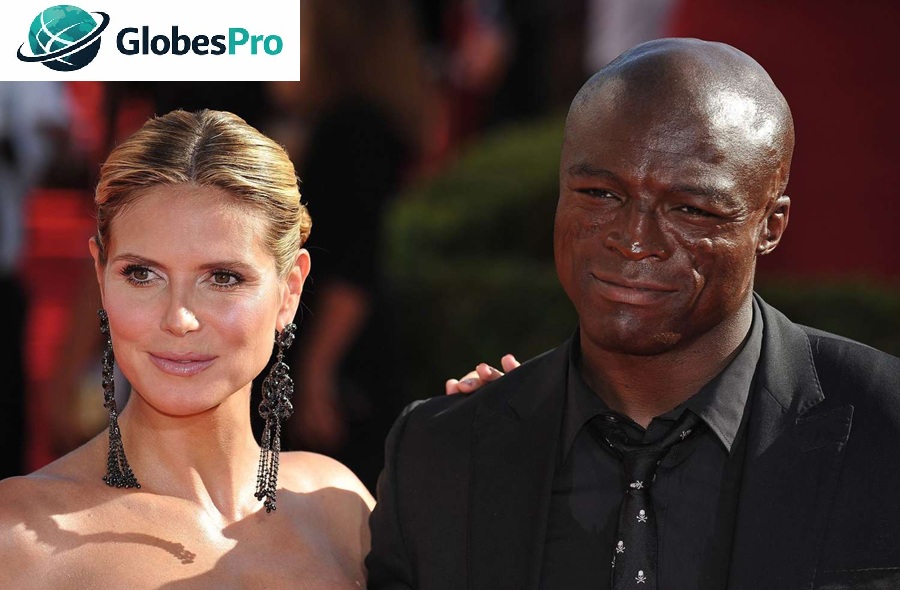
Seal is a British singer, songwriter, and record producer widely regarded as one of the most gifted vocal talents of his generation. Born Henry Olusegun Olumide Adeola Samuel on February 19, 1963, in London, he rose from a turbulent childhood marked by foster care, an abusive father, and a battle with lupus to become a four-time Grammy Award winner who has sold more than 20 million records worldwide.

If you’re here for the quick answer: Seal is 62 years old, has an estimated net worth of $40 million, and is best known for the timeless ballad Kiss from a Rose — one of the most recognizable songs of the 1990s — as well as the hit Crazy from his debut album. He is the former husband of supermodel Heidi Klum and the father of four children. He remains active in music, television, and charity work in 2025.

Quick Facts – Seal

Detail Info
Full Name Henry Olusegun Olumide Adeola Samuel
Stage Name Seal
Date of Birth February 19, 1963
Place of Birth Paddington, London, England
Nationality British
Ethnicity Nigerian and Brazilian
Occupation Singer, Songwriter, Record Producer
Years Active 1987 – Present
Known For Kiss from a Rose, Crazy, Killer
Height 6’4″ (1.92 m)
Ex-Spouse Heidi Klum (m. 2005, sep. 2012)
Children Leni, Henry, Johan, Lou
Awards 4 Grammy Awards, 3 Brit Awards, 1 MTV VMA
Records Sold 20+ million worldwide
Net Worth $40 Million (2025)

Early Life – A London Childhood That Would Break Most People

Seal’s story begins in Paddington, London — but it quickly becomes one of the more difficult origin stories in popular music.

His mother, Adebisi Ogundeji, was Nigerian. His father, Francis Samuel, was Brazilian-born. Both were young students with very little money when Seal was born, and shortly after his birth, they were unable to care for him. He was placed with a foster family — the Scoolings — in Romford, Essex, where he spent the first four years of his life.

At age four, his mother reclaimed custody. She had stabilized her life, found work as a wig maker, and divorced Seal’s father. For two years, Seal lived with her and five siblings in London.

Then she left him with his father.

Life with his father was defined by domestic violence and unpredictability. His father had a violent temper, and Seal has been honest in interviews about the physical abuse he experienced. On top of that, he faced relentless bullying at school — children mocking his appearance, his background, his everything.

At 15, he ran away from home and dropped out of school.

He worked odd jobs to survive — fast food, bike messenger, a position at a King’s Road designer shop. He earned a two-year diploma in architecture, which was about as far from where he would end up as it’s possible to get. But even during those years of survival-mode living, the music was always there — a private refuge before it became a public identity.

The Lupus Diagnosis – Where the Scars Come From

One of the most frequently asked questions about Seal concerns the prominent scars on his face. The answer is medical, not dramatic — though the story behind it is significant.

In his early twenties, Seal was diagnosed with discoid lupus erythematosus — a chronic autoimmune condition that attacks the skin, causing inflammation and, in his case, significant facial scarring.

Discoid lupus is distinct from the more severe systemic lupus, which can affect internal organs. Seal has acknowledged that he was fortunate in that regard — the disease affected his skin rather than threatening his life. The disease eventually went into remission, but the scars it left became a permanent feature of his appearance.

Over the decades, those scars have been the subject of wild speculation — knife fights, tribal markings, car accidents. All of it false. Seal has addressed the rumors with notable composure throughout his career, often using them as an opportunity to discuss the reality of living with a visible chronic condition.

“I quickly realized this body is not who we are,” he said once. “I got off lightly.”

That perspective — rooted in genuine resilience rather than performed positivity — runs through everything about him.

The Road to Music – Longer Than Most People Know

Seal’s path to recording success was neither quick nor smooth. He spent years performing in London clubs and bars before anything resembling a career materialized.

In 1987, he joined Push, a British funk band, and toured with them in Japan. That trip expanded into a broader journey — he spent time in Thailand performing with a blues band, then traveled through India on his own before returning to England.

He came back to London with no money, sleeping on a friend’s couch, asking that friend whether he thought Seal could actually sing. The friend told him he sang better than most artists currently on radio.

That kind of encouragement, from a genuine source, can be the difference between continuing and quitting.

A girlfriend, after hearing him sing for the first time, was so certain of his talent that she immediately bought him music equipment and pushed him to pursue it seriously. He was 23 years old.

By 1987 he had signed a production deal. But the real break was still three years away.

Killer and Crazy – The Breakthrough

In 1990, Seal met electronic music producer Adamski (Adam Tinley) and provided lyrics and vocals for a track called Killer. The song reached number one on the UK Singles Chart and announced Seal to a mainstream audience with immediate force.

What followed demonstrated that he wasn’t a one-song wonder. His debut self-titled album, released in 1991 through Trevor Horn’s ZTT Records, produced the hit Crazy — a track that reached number two in the UK and broke into the US Billboard Hot 100.

Crazy remains one of those songs that sounds like nothing else from its era. The lyrical imagery was unusual, the production was layered and atmospheric, and Seal’s voice — that distinctive combination of power and fragility — made it impossible to ignore.

Single Year UK Chart US Billboard
Killer (with Adamski) 1990 #1 Entered Hot 100
Crazy 1991 #2 Top 10
Kiss from a Rose 1994 #4 #1
Fly Like an Eagle 1996 Top 20 Top 10
Prayer for the Dying 1994 Top 20 Top 40

The debut album was a critical and commercial success. Producer Trevor Horn — who had worked with acts including Frankie Goes to Hollywood and Yes — recognized in Seal a voice that could carry almost any material, and the collaboration between them would define the first phase of his career.

Kiss from a Rose – The Song That Defined an Era

In 1994, Seal released his second self-titled album. It contained a track called Kiss from a Rose that had actually been written years earlier — allegedly during his time sleeping on that friend’s couch, before any of the success had arrived.

The song was initially a modest hit. Then it was selected for the Batman Forever soundtrack in 1995, and everything changed.

Kiss from a Rose reached number one on the US Billboard Hot 100. At the 1996 Grammy Awards, it won three awards — Record of the Year, Song of the Year, and Best Male Pop Vocal Performance. In a single night, Seal went from successful artist to one of the most decorated musicians of his era.

The song has proven genuinely timeless in a way that very few 1990s pop records have. It sounds nothing like what surrounded it commercially at the time. It doesn’t sound dated now. It exists in its own space — lush, strange, emotionally overwhelming — and it has introduced Seal to new generations of listeners with every passing decade.

Full Discography – The Albums

Album Year Notes
Seal (debut) 1991 Crazy, Killer — critical breakthrough
Seal II 1994 Kiss from a Rose — 3 Grammy wins
Human Being 1998 Darker, more industrial sound
Seal IV 2003 Commercial comeback
System 2007 Dance-oriented return to roots
Soul 2008 Soul classics covers with David Foster
Seal 6: Commitment 2010 Inspired by Heidi Klum
Soul 2 2012 Second covers album
7 2015 Return to originals with Trevor Horn
Standards 2017 Jazz and pop classics covers

Ten studio albums across nearly three decades — a body of work that moves confidently between original material, soul covers, and pop experimentation without ever losing the voice at the center of it all.

The Freddie Mercury Tribute – A Historic Moment

In April 1992, Seal performed at The Freddie Mercury Tribute Concert at Wembley Stadium — one of the most significant concerts in rock history, held five months after Mercury’s death.

He performed Who Wants to Live Forever, the 1986 Queen ballad, and then joined the all-star finale for We Are the Champions.

The fact that a singer who had been virtually unknown eighteen months earlier was standing on the Wembley stage performing with the surviving members of Queen speaks to how dramatically and quickly his career had accelerated.

Television – Coaching, Judging, Performing

Beyond the recording studio, Seal has built a significant television presence over the past fifteen years.

In 2012, he became a vocal coach on the Australian version of The Voice — and promptly coached the season winner, Karise Eden. He returned the following season and won again with Harrison Craig. Two seasons, two winners. That’s not coincidence — that’s someone who genuinely understands how to develop singers.

He also served as a judge on America’s Got Talent (Season 12, 2017) and competed on The Masked Singer in the US (Season 2, 2019) as The Leopard.

TV Appearance Show Year Role
Coach The Voice Australia 2012–2013 Won both seasons coached
Coach The Voice Australia 2017 Return appearance
Judge America’s Got Talent 2017 Guest judge, Season 12
Competitor The Masked Singer (US) 2019 Performed as The Leopard

Heidi Klum – The Marriage That Captivated the World

Heidi Klum

In 2004, Seal began dating German supermodel Heidi Klum, who had recently ended a relationship with Italian Formula One manager Flavio Briatore and was pregnant with Briatore’s daughter, Leni.

Seal was present at Leni’s birth. He and Heidi married in Mexico in May 2005, on a beach. The ceremony was intimate and genuinely romantic — a couple who wanted the event to feel real rather than performed. They renewed their vows every year on their anniversary.

He legally adopted Leni after the marriage, raising her as his own from infancy.

They had three more children together — Henry Gunther (born 2005), Johan Riley (born 2006), and Lou Sulola (born 2009).

The marriage was widely regarded as one of Hollywood’s stronger partnerships — two people from completely different worlds who appeared genuinely connected. When the separation was announced in January 2012, the surprise was widespread and real.

They cited “growing apart” as the reason. The divorce was finalized in 2014. Both have spoken about maintaining a co-parenting relationship that prioritizes their children’s stability.

Heidi later married German musician Tom Kaulitz. Seal has remained single, though he dated actress Erica Packer for a period after the divorce.

His Children – The Priority That Comes Before Everything

heidi klum and seal

Seal has been consistently, vocally devoted to his children — and it reads as genuine rather than performative.

Child Birth Date Notes
Leni Olumi Klum May 4, 2004 Adopted daughter; biological father Flavio Briatore; now a model
Henry Gunther Samuel September 12, 2005 Named in part after Seal’s full name
Johan Riley Samuel November 22, 2006 Known to love art and drawing
Lou Sulola Samuel October 9, 2009 Youngest; loves dance and Halloween

When Henry was born, Seal released a statement that said: “He is healthy, beautiful and looks just like his mother. To our children, a brother. To our parents, a grandson. To my wife and I, a son. To our family, a blessing.”

That warmth is consistent across every public statement he has made about fatherhood. He has said repeatedly that being a father is his proudest role — a statement that lands differently when you understand the fatherhood he himself experienced.

The Foster Sister Reunion – An Oprah Moment That Actually Meant Something

In October 2007, Seal appeared on The Oprah Winfrey Show for a reunion with his foster sister, Hilary Scooling — a woman he had not seen in 40 years.

After he became famous, his foster family had no way to reach him. They didn’t know how to find him. Decades passed. Then the Oprah show made the connection happen.

Seal wept. Hilary wept. The footage is genuinely moving — not in a television-manufactured way but in the way that real reunions between people who share formative history are always moving.

It was a reminder, in the middle of his most high-profile domestic period, that his story went back much further and ran much deeper than the celebrity couple narrative that surrounded him at the time.

Charity and NHS Advocacy

Seal credits the British National Health Service with saving his health when lupus was diagnosed in his early twenties. Without NHS access, the diagnosis and treatment might not have come when they did.

In 2018, he recorded a cover of With a Little Help from My Friends — alongside Myleene Klass, Nile Rodgers, and Rick Astley — as a fundraiser for the NHS. The project was personal, not contractual.

He has also been an ambassador for the Red Cross and involved in various children’s causes throughout his career — a reflection of someone who hasn’t forgotten what it felt like to be a vulnerable child with very few advocates.

Net Worth – The $40 Million Picture

Income Source Contribution
Album sales and royalties Primary — 20M+ records sold
Kiss from a Rose licensing Ongoing — films, TV, commercials
Concert touring Significant
The Voice Australia coaching salary Multi-season earnings
America’s Got Talent / Masked Singer Supplementary
Real estate Topanga (CA) property + London apartment
Clothing line (launched 2011) Supplementary
Brand endorsements Moderate
Total Estimated Net Worth $40 Million

His Topanga Canyon property in California and a London apartment represent significant real estate holdings. His annual earnings are estimated around $4 million from combined music royalties, television appearances, and touring.

The Scars, Revisited – What They Actually Represent

The scars on Seal’s face have been a subject of public fascination for his entire career. By now he has answered questions about them thousands of times — and the consistency of his response says something important.

He doesn’t minimize them. He doesn’t dramatize them. He explains the medical reality clearly and moves on to talk about music, his children, his work.

The scars are a visible record of something he survived — an autoimmune condition that attacked his body in his early twenties, during a period when he was already living on the edges of survival. They are not tribal markings, not the result of violence, not a story invented for effect.

They are the face of someone who went through significant physical and personal adversity and came out the other side with a voice that could make a stadium go quiet.

What Is Seal Doing in 2025?

As of 2025, Seal remains active in music and television, though at a pace that reflects his priorities. Major touring is not currently on his schedule — his website shows no upcoming concert dates, and he has indicated that his focus is currently on family and charity work rather than sustained touring.

He continues to generate income from his extraordinary back catalog — Kiss from a Rose alone appears in films, television shows, and commercials with remarkable regularity more than 30 years after its release. Streaming royalties from Crazy, Killer, and the rest of the catalog provide ongoing passive income.

His brother, Jeymes Samuel (who records as The Bullitts), has become an accomplished filmmaker — directing The Harder They Fall (2021) for Netflix — adding another dimension to a remarkably creative family legacy.

Cultural Legacy – The Voice That Outlasted Everything

Here is what makes Seal’s story genuinely remarkable: he should not have made it.

A boy placed in foster care at birth. Reclaimed, then abandoned to an abusive father. Running away at 15. Surviving on government welfare into his mid-twenties. Developing a disfiguring disease at 23. Unable to afford a guitar until he was nearly 26.

And then — from that starting point — producing one of the most distinctive voices in the history of British popular music. Winning four Grammy Awards. Selling 20 million records. Performing at Wembley Stadium with Queen. Writing a song that three decades later still makes people stop what they’re doing and listen.

The scars on his face are the most visible part of his story. But the whole story — the resilience, the patience, the insistence on doing things on his own terms — is what actually defines him.

Conclusion

Seal is one of those artists whose cultural significance tends to be underestimated because his biggest commercial period is more than two decades in the past. Kiss from a Rose gets played and everything floods back — but the full depth of what he built, and what he survived to build it, doesn’t always come with it.

He was a foster child, an abuse survivor, a school dropout, a young man with lupus scars who performed in empty pubs for years before anyone was paying attention. And he became one of the most awarded, most recognizable voices in popular music — a man whose first instinct upon becoming a father was to be everything his own father wasn’t.

At 62, the voice is still there. The scars are still there. The children are growing up and making their own way. And somewhere, Kiss from a Rose is playing in a film, a shop, a car, a memory — doing what great songs do, which is outlast everything that tried to stop the person who wrote it.

Who Is Edward Abel Smith?

Edward Abel Smith is a British entrepreneur, marketing executive, producer, and the husband of Academy Award-winning actress Kate Winslet. Born into two remarkable family lines — his mother is the sister of Sir Richard Branson, making him the Virgin empire founder’s nephew — Edward built his own career within the Virgin Group before stepping back to focus on family life and, more recently, film production.

If you’re here for the quick answer: Edward Abel Smith is best known to the general public as Kate Winslet’s third husband, but he is also the man who legally changed his name to Ned Rocknroll in 2008 before reverting to his birth name in 2019, and the person who met his future wife during one of the most dramatic events in Richard Branson’s life — a lightning-strike fire that destroyed the Great House on Necker Island in August 2011. He is 46 years old, largely private, and one of the more genuinely interesting figures in the orbit of British celebrity.

Quick Facts – Edward Abel Smith

Detail Info
Full Name Edward Abel Smith
Also Known As Ned Rocknroll (2008–2019)
Date of Birth June 24, 1978
Place of Birth St. Teresa’s Hospital, Wimbledon, London
Nationality British
Occupation Entrepreneur, Producer, Former Marketing Executive
Famous Relative Sir Richard Branson (uncle)
Spouse Kate Winslet (m. December 5, 2012)
Children Bear Blaze Winslet (b. December 7, 2013)
Stepchildren Mia Honey Threapleton, Joe Alfie Mendes
Estimated Net Worth $25 Million
Notable For Ned Rocknroll name change, Necker Island fire, marriage to Kate Winslet

Early Life – Growing Up Between Two Worlds

Edward Abel Smith was born on June 24, 1978, at St. Teresa’s Hospital in Wimbledon, South London. His early life was shaped by two very different but equally significant family histories.

On his mother’s side, his mother Linette J. Branson is the sister of Sir Richard Branson — one of Britain’s most recognizable entrepreneurs and the founder of the Virgin empire. Growing up with that connection meant that ambition, unconventional thinking, and a certain comfort with big ideas were simply part of the family atmosphere.

On his father’s side, the story is equally interesting. His father, Robert Ralph Abel Smith, comes from the Abel Smith banking family — a dynasty that traces its roots back to the founding of Smith’s Bank of Nottingham in 1658. That’s not a minor footnote. The Abel Smith family is one of the older established financial families in British history, with connections to aristocracy and landed gentry that go back centuries.

Edward grew up primarily in Parsons Green, South-West London, raised by his mother and stepfather Robin Brockway after his parents separated. The combination of entrepreneurial Branson energy on one side and old English banking establishment on the other produced someone who — if the name change episode is anything to go by — never felt entirely defined by either.

The Richard Branson Connection

Richard Branson

The relationship between Edward and his uncle Richard Branson is one of the more publicly visible threads of his story, and it shaped his early career significantly.

Richard Branson needs little introduction — the founder of Virgin Records, Virgin Atlantic, Virgin Galactic, and hundreds of other ventures, one of Britain’s most famous businessmen, and a personality whose appetite for adventure and unconventional behavior is well documented. Growing up as his nephew meant exposure to a world where the conventional career path was never really the point.

Edward’s cousins through the Branson side — Holly, Sam, and Clare — have all been involved in various aspects of the Virgin world. Edward’s own career would follow a similar trajectory, entering the Virgin Group and eventually reaching a senior role at one of its most ambitious ventures.

The Branson influence is visible in ways beyond career choices too. The name change episode, the willingness to live publicly and eccentrically, the comfort with attention without being consumed by it — these feel like qualities that flourish in a family where the patriarch once crossed the Atlantic in a hot air balloon for fun.

Career – From Virgin Marketing to the Stars

Edward’s professional career centered on the Virgin Group, where he worked his way up through the organization’s marketing operations.

He eventually held the title of Head of Marketing, Promotions and Astronaut Experience at Virgin Galactic — a role that sits at the intersection of luxury brand marketing and genuinely frontier-level technology. Virgin Galactic, for context, is Richard Branson’s commercial spaceflight company, which has spent decades working toward making space tourism commercially viable.

The “Astronaut Experience” component of his role was essentially about marketing the dream of space travel to the kind of high-net-worth individuals who could afford early tickets, while also building the broader brand identity of a company that was asking people to believe in something that hadn’t fully happened yet. It required both conventional marketing skills and a genuine comfort with selling an extraordinary vision.

Career Phase Role Organization Period
Early career Marketing executive Virgin Group Early 2000s
Senior role Head of Marketing & Astronaut Experience Virgin Galactic 2000s–2013
Step back Focus on family 2013–2018
Production Producer Independent film 2018–Present

After the birth of his son Bear in December 2013, Edward stepped back from his Virgin Galactic role to focus on family. It was a deliberate choice — one that reflected his priorities clearly and drew some media attention given that it was his wife, not he, who was the major breadwinner in the household.

The Name Change – Ned Rocknroll

Ned Rocknroll

This is the detail that appears in virtually every piece written about Edward Abel Smith, and it deserves proper context rather than just a laugh line.

In 2008, Edward legally changed his name from Edward Abel Smith to Ned Rocknroll. Not as a stage name, not as a nickname — as an official, legal change of name by deed poll in the United Kingdom.

The public and media reaction was predictably amused. The British tabloid press had a field day. The name suggested either an extraordinary sense of humor, a genuine rebellious streak, or possibly both.

For nearly a decade, he was officially Ned Rocknroll. His marriage to Kate Winslet in 2012 was performed under that name. Media reports from that period refer to him consistently as Ned.

Then in 2019, he changed it back. Edward Abel Smith reappeared on official records, and Ned Rocknroll became a chapter rather than a permanent identity.

What does the whole episode tell you about him? A few things. He has a sense of humor about himself that most people in his social circle would never allow publicly. He’s not particularly concerned with the dignity that inherited wealth and family connections typically impose. And he was apparently comfortable enough with who he was to carry a joke name for eleven years without it seeming to bother him — and then comfortable enough to let it go when it had run its course.

It’s actually a fairly revealing personality portrait if you read it right.

First Marriage – Eliza Pearson

Eliza Pearson

Before Kate Winslet, Edward was briefly married to the Hon. Eliza Anne Venetia Pearson in 2009.

Eliza Pearson is the daughter of the 4th Viscount Cowdray — placing her firmly within the upper reaches of the British aristocracy. The marriage connected Edward’s Abel Smith banking family background with one of Britain’s established noble houses.

The marriage was short. They divorced in August 2011, just two years after marrying. Neither Edward nor Eliza has spoken publicly about the reasons, and the relationship receives almost no coverage — a reflection of how completely it has been left in the past by everyone involved.

What the marriage does illustrate is the social world Edward inhabited before his life changed completely in August of that same year.

The Necker Island Fire – Where Everything Changed

Necker Island Fire

The origin story of Edward Abel Smith and Kate Winslet is one of those true life events that would be rejected as too convenient if it appeared in a screenplay.

On August 22, 2011, a lightning bolt struck the Great House on Richard Branson’s private island, Necker Island, in the British Virgin Islands. The fire that followed destroyed the main house — a property estimated to be worth around $70 million — and endangered everyone staying on the island at the time.

Kate Winslet was among the guests. Richard Branson’s 90-year-old mother, Eve Branson, was also on the island and needed help getting to safety. Winslet helped carry her to safety during the chaos of the evacuation.

Edward was on the island as his uncle’s nephew and part of the family. In the middle of a genuine crisis — fire, darkness, adrenaline, people working together to get everyone out safely — Edward and Kate met.

Within a year they were together. Within two years they were married.

Their son, Bear, has the middle name Blaze — a direct and permanent reference to the fire on Necker Island where his parents’ story began. It’s the kind of detail that sounds invented but isn’t.

The story captured public imagination for good reason. It’s romantic in the genuine, old-fashioned sense — not the contrived meet-cute of a romantic comedy but two people thrown together by extraordinary circumstances who found something real in the aftermath.

The Wedding – December 5, 2012

If the meeting was dramatic, the wedding was the opposite — deliberately, almost aggressively private.

Edward and Kate Winslet married on December 5, 2012, in New York. The ceremony was so private that — in one of the most widely reported details about their relationship — neither of their parents were told about it beforehand.

They married first, and told family afterward.

For someone with Kate Winslet’s level of fame, this was an extraordinary choice. She had been through two very public marriages before — to Jim Threapleton and to Sam Mendes — and the decision to make this one entirely private, witnessed by almost no one, felt like a conscious rejection of the celebrity wedding apparatus.

Edward’s comfort with that decision says something about him too. He wasn’t interested in the spectacle. The marriage was the point, not the event.

Life With Kate Winslet – The Private Partnership

Kate Winslet is, by any measure, one of the most acclaimed actresses of her generation. An Academy Award winner, a BAFTA winner, a Golden Globe winner, a performer who has been at the highest level of her industry for nearly three decades. The public version of her life is extensively documented.

Edward’s role within that partnership has been largely private and largely supportive — at least as far as the public record goes.

He has been notably absent from red carpets, press events, and the general machinery of celebrity culture that surrounds his wife’s career. Winslet has spoken warmly about him in interviews, describing the stability and groundedness he brings to their family life, but she is careful about how much she shares.

What is clear from those occasional interview glimpses is that the dynamic works. The marriage has lasted — which, in the context of Kate Winslet’s previous relationships and the general pressures of celebrity partnership, is worth noting.

They have maintained homes in both the UK and the United States, balancing the demands of Winslet’s filming schedule with family stability for their children.

Bear Blaze Winslet – Fatherhood

Bear Blaze Winslet

Bear Blaze Winslet was born on December 7, 2013 — almost exactly a year after his parents married and two years and four months after his parents met in the fire that gave him his middle name.

The name Bear Blaze is not accidental. Bear is the first name — unusual, warm, a little wild. Blaze is the middle name — a direct reference to the Necker Island fire. Together they form a name that carries the whole origin story of the family in two words.

Edward took on primary caregiving responsibilities after Bear’s birth, stepping back from his Virgin Galactic career to be present for his son’s early years. This arrangement — the famous wife working while the husband takes the primary parent role — drew some media commentary at the time, but Edward appeared entirely unbothered by it.

He is also stepfather to Kate’s two children from previous relationships: Mia Honey Threapleton (daughter of Jim Threapleton, born 2000) and Joe Alfie Mendes (son of Sam Mendes, born 2003). By all public accounts, the blended family functions with remarkable normalcy given the extraordinary circumstances surrounding it.

Production Work – Building His Own Identity

In recent years, Edward has made deliberate moves toward establishing himself in film and television production — an identity that exists entirely independently of his family connections.

Project Role Year Type
Mad Bob Producer 2018 Film
Murder at the Post Office Producer 2025 Film/TV

These credits are modest in scale but meaningful in direction. They represent a man in his forties building a professional identity that isn’t defined by his uncle’s empire or his wife’s career.

The production path makes sense for someone who spent years in marketing and brand building at Virgin Galactic — both require understanding how to construct and sell a compelling story. The skills transfer.

Whether production becomes a significant career chapter or remains a supplementary pursuit remains to be seen, but the direction is clear.

Net Worth & Financial Picture

Edward Abel Smith’s estimated net worth sits at around $25 million — a figure built from his Virgin Group career, his Abel Smith family background, and various other interests.

Source Estimated Contribution
Virgin Group career (salary, benefits) Significant
Abel Smith family wealth and inheritance Significant
Production work Early stage / growing
Investments Moderate
Total Estimated Net Worth ~$25 Million

For context, Kate Winslet’s net worth is estimated at around $65 million — considerably higher, reflecting three decades at the top of the acting profession. Edward has never appeared to be either troubled or defined by this disparity, which is itself a marker of genuine personal security.

The Abel Smith banking family legacy provides a background of established wealth that predates his own career by centuries. The combination of inherited position and self-built career puts him in a position of genuine financial independence — not dependent on his wife’s income or his uncle’s generosity.

The Aristocratic Background – More Than Just Branson’s Nephew

The Abel Smith name carries more history than most people researching Edward Abel Smith realize.

Smith’s Bank of Nottingham was founded in 1658 — making it one of the older private banking institutions in British history. The Abel Smith family built its position over centuries of financial and political involvement in British life, with connections to landed gentry and aristocracy that run through multiple generations.

Edward’s father Robert Ralph Abel Smith comes from that lineage. His first marriage to Eliza Pearson — daughter of the 4th Viscount Cowdray — added another layer of aristocratic connection to an already well-positioned family background.

This context matters because it complicates the simple narrative of “Richard Branson’s nephew.” Edward Abel Smith comes from a family that was established and significant long before Richard Branson built his first business. The Branson connection is the more famous one in 2025, but it isn’t the whole story.

Personality – What the Record Actually Reveals

The public record on Edward Abel Smith is thin by design — he is genuinely private in a way that few people connected to major celebrities manage to sustain. But what exists paints a consistent picture.

The Ned Rocknroll episode tells you he has humor, irreverence, and a comfort with the absurd. The secret wedding tells you he prioritizes the real over the performative. The decision to step back from his career after Bear’s birth tells you his values are clear to him. The production work in his forties tells you he hasn’t stopped wanting to build things.

People who know him describe someone warm, funny, and deliberately unbothered by the machinery of fame that surrounds his wife’s life. He shows up to events when it matters, disappears when it doesn’t, and appears to have made peace with a public profile that will always be defined partly by his relationships rather than his own work.

That’s a harder equilibrium to maintain than it looks.

Conclusion

Edward Abel Smith is one of those figures who exists at the intersection of several extraordinary stories — the Branson empire, the Abel Smith banking dynasty, the Necker Island fire, the secret New York wedding, the eleven years as Ned Rocknroll — without being fully defined by any of them.

He is Richard Branson’s nephew, but he built his own career in marketing and space tourism. He is Kate Winslet’s husband, but he is also a father, a producer, and a man from one of Britain’s older financial families. He was Ned Rocknroll for a decade, but he was also always Edward Abel Smith.

The name change — playful, sustained, then quietly abandoned — is probably the best single window into who he is. Someone who doesn’t take the inherited weight of his name too seriously, who can carry a joke for eleven years without it becoming his whole identity, and who knows when a chapter is finished.

At 46, with a growing production career, a family that by all accounts is genuinely close, and a public profile he has managed on his own terms throughout, Edward Abel Smith is considerably more interesting than the headlines about his name or his famous wife have ever quite captured.


Meta Description: Learn about Johan Riley Fyodor Taiwo Samuel, his biography, parents, siblings, age, and interesting facts. Discover the life of Heidi Klum and Seal’s son.

When people search for johan riley fyodor taiwo Samuel, they are usually looking for information about the son of world-famous supermodel Heidi Klum and internationally known singer Seal. Born into a highly recognizable celebrity family, Johan Riley Fyodor Taiwo Samuel has attracted public curiosity since childhood.

In simple terms, Johan Riley Fyodor Taiwo Samuel is the third child of Heidi Klum and Seal, two major figures in the entertainment industry. While he is not a public celebrity himself, interest in his life comes from his parents’ global fame and the unique story of their family.

Although he occasionally appears in media coverage or public events with his parents, Johan largely lives a private life away from the spotlight, something his family has tried to maintain while raising their children.

Quick Wiki: Johan Riley Fyodor Taiwo Samuel

Field Information
Full Name Johan Riley Fyodor Taiwo Samuel
Date of Birth November 22, 2006
Age 19 years (as of 2026)
Birthplace Los Angeles, California, United States
Nationality American
Father Seal (Singer and Songwriter)
Mother Heidi Klum (Model and TV Personality)
Siblings Leni Klum, Henry Samuel, Lou Samuel
Known For Being the son of Heidi Klum and Seal

Johan Riley Fyodor Taiwo Samuel: Who Is He?

Johan Riley Fyodor Taiwo Samuel

Johan Riley Fyodor Taiwo Samuel is best known as the son of supermodel Heidi Klum and Grammy-winning singer Seal. His parents were one of the most talked-about celebrity couples during the 2000s, and their children often drew attention from fans and the media.

Despite the fame surrounding his family, Johan has largely stayed out of the entertainment industry spotlight. His parents have made deliberate efforts to give their children a normal upbringing, even while living in the public eye.

This balance between celebrity life and privacy has shaped how Johan Riley Fyodor Taiwo Samuel is viewed today. He represents a generation of celebrity children who grow up surrounded by fame but remain relatively private individuals.

Why Johan Riley Fyodor Taiwo Samuel Is Famous

Johan Riley Fyodor Taiwo Samuel became known primarily because of his parents.

His mother, Heidi Klum, is one of the most recognizable supermodels in the world, while his father, Seal, is a globally respected musician known for iconic songs like Kiss from a Rose.

Because of this, many fans of the couple became curious about their children.

Reason Explanation
Celebrity Parents Son of Heidi Klum and Seal
Media Coverage Often mentioned in celebrity family news
Unique Name His distinctive name sparks curiosity
Public Appearances Occasionally seen with his family at events

Early Life of Johan Riley Fyodor Taiwo Samuel

Growing up in a celebrity household means experiencing life differently than most children. However, Johan’s parents tried to keep his childhood grounded.

Birth and Background

Johan Riley Fyodor Taiwo Samuel was born on November 22, 2006, in Los Angeles, California.

At the time of his birth, Heidi Klum and Seal were one of the most popular couples in entertainment, and news of Johan’s arrival was widely covered in media outlets.

Unlike many celebrity families, Klum and Seal often emphasized family values and privacy when raising their children.

Meaning Behind His Unique Name

One of the most interesting things about Johan Riley Fyodor Taiwo Samuel is his name.

Each part of his name has cultural or personal significance.

Name Part Possible Meaning
Johan A variation of the name John
Riley Irish origin meaning “courageous”
Fyodor Slavic name meaning “gift of God”
Taiwo Yoruba name meaning “the first twin to taste the world”

His name reflects a blend of cultural influences, highlighting the diverse background of his family.

Parents of Johan Riley Fyodor Taiwo Samuel

heidi klum and seal

Johan’s life is closely connected to the careers of his famous parents.

His Mother: Heidi Klum

Heidi Klum is one of the most successful models in the world.

She gained international fame as a Victoria’s Secret Angel and later became a popular television personality.

Some highlights of Heidi Klum’s career include:

  • Supermodel and fashion icon
  • Host of Project Runway
  • Judge on America’s Got Talent
  • Businesswoman and fashion designer

Her success helped make the family widely recognized across the entertainment world.

His Father: Seal

Seal, whose full name is Seal Henry Olusegun Olumide Adeola Samuel, is a globally respected musician.

He is known for his soulful voice and emotionally powerful songs.

Achievement Details
Grammy Awards Multiple wins
Famous Song Kiss from a Rose
Genre Soul, R&B, Pop
Global Recognition International music career

Seal’s influence extends beyond music, as he has also been recognized for his distinct voice and artistic style.

Johan Riley Fyodor Taiwo Samuel’s Family and Siblings

Johan is part of a large and well-known celebrity family.

His Brothers and Sisters

He has three siblings:

Sibling Relationship
Leni Klum Half-sister
Henry Samuel Older brother
Lou Samuel Younger sister

Each of them has grown up in a household influenced by fashion, music, and entertainment.

Growing Up in a Famous Family

Growing up with famous parents can bring both advantages and challenges.

Advantages may include:

  • Access to opportunities
  • Exposure to creative industries
  • Travel and cultural experiences

However, celebrity families also face intense media attention, which can make privacy difficult.

Education and Childhood Interests

While specific details about Johan’s education are private, it is believed that he attended schools in Los Angeles, where his family spent much of their time.

School Life and Private Upbringing

Many celebrities choose to keep their children’s education confidential.

This helps protect their privacy and allows them to grow up in a normal learning environment.

Talents, Hobbies, and Interests

Although not much information is publicly available, children raised in creative families often explore activities such as:

  • Music
  • Sports
  • Art
  • Technology

Given his parents’ artistic backgrounds, creativity is likely part of Johan’s upbringing.

Public Appearances and Media Attention

Even though Johan maintains a relatively private life, he has occasionally appeared with his parents in public.

Red Carpet and Public Events

At times, he has been seen attending events or outings with his family.

These appearances often attract attention because fans enjoy seeing celebrity families together.

Media Coverage of Celebrity Families

Media outlets frequently report on celebrity families.

Common coverage includes:

Media Topic Example
Family outings Public events or vacations
Celebrity children Growing up in famous families
Parenting styles How celebrities raise their kids

This explains why Johan Riley Fyodor Taiwo Samuel occasionally appears in entertainment news.

Relationship with His Famous Parents

Family relationships play an important role in Johan’s life.

Parenting Style of Heidi Klum

Heidi Klum has often spoken about the importance of family values and balance.

Her parenting approach emphasizes:

  • Spending quality time with children
  • Maintaining privacy
  • Encouraging creativity and individuality

Seal’s Role as a Father

Seal has also expressed strong dedication to his children.

He has spoken publicly about the importance of being present and supportive as a parent.

Together, Klum and Seal created a family environment that focused on love, respect, and stability.

Why People Search for Johan Riley Fyodor Taiwo Samuel

The internet has increased curiosity about celebrity families.

People search for Johan Riley Fyodor Taiwo Samuel for several reasons.

Reason Explanation
Celebrity Parents Interest in Heidi Klum and Seal
Unique Name Memorable and unusual name
Family Updates Curiosity about celebrity children
Media Stories Entertainment news coverage

This curiosity often leads fans to look up information about his life and background.

Interesting Facts About Johan Riley Fyodor Taiwo Samuel

Here are some interesting details about him.

Fact Explanation
Born in Los Angeles Raised in a major entertainment hub
Part of a creative family Parents are global entertainers
Unique name Combination of several cultural influences
Private upbringing Family values privacy
Famous siblings Part of a well-known celebrity family

These details contribute to public interest in his story.

Privacy and Life Away from the Spotlight

Despite growing up in a famous household, Johan Riley Fyodor Taiwo Samuel has experienced a relatively private upbringing.

Importance of Private Childhood

Many celebrities try to give their children a normal childhood.

This helps protect them from:

  • Media pressure
  • Public scrutiny
  • Online attention

Growing Up Outside Constant Media Attention

While some celebrity children pursue entertainment careers early, others prefer to stay away from the spotlight.

Johan appears to be part of the latter group, focusing on education and personal development rather than public fame.

Frequently Asked Questions About Johan Riley Fyodor Taiwo Samuel

Who is Johan Riley Fyodor Taiwo Samuel?

Johan Riley Fyodor Taiwo Samuel is the son of supermodel Heidi Klum and singer Seal.

How old is Johan Riley Fyodor Taiwo Samuel?

He was born on November 22, 2006, making him 19 years old in 2026.

Who are Johan Riley Fyodor Taiwo Samuel’s parents?

His parents are Heidi Klum, a German supermodel and TV personality, and Seal, a Grammy-winning singer.

Does Johan Riley Fyodor Taiwo Samuel appear in media?

He occasionally appears in media coverage related to his family but generally lives a private life.

Does Johan Riley Fyodor Taiwo Samuel have siblings?

Yes, he has three siblings: Leni Klum, Henry Samuel, and Lou Samuel.

What makes his name unique?

His name combines several cultural influences, including European and Yoruba origins.

Conclusion: The Life and Background of Johan Riley Fyodor Taiwo Samuel

Johan Riley Fyodor Taiwo Samuel may not be a public celebrity himself, but his connection to two global stars—Heidi Klum and Seal—has naturally drawn public interest.

Born into a creative and influential family, he has grown up surrounded by music, fashion, and entertainment. Yet despite the fame associated with his parents, his life has remained relatively private.

This balance between celebrity influence and personal privacy makes Johan Riley Fyodor Taiwo Samuel an interesting example of how many modern celebrity families choose to raise their children—allowing them to grow up outside the constant glare of the spotlight while still being part of a famous legacy.


Bill Belichick does not do charm. He does not do media. He does not do anything that does not directly contribute to winning football games — and for three decades, that singular obsession produced the most decorated coaching career in the history of American professional sports. Six Super Bowl rings. Twenty consecutive winning seasons. A dynasty in New England that defied every law of competitive balance the NFL had constructed specifically to prevent it.

He is also, beneath the hoodie and the monosyllabic press conferences, one of the most intellectually complex figures the sport has ever produced — a coach’s son who became a football scholar, a personnel genius who understood the salary cap as a competitive weapon, and a man whose personal life has been as complicated as his professional legacy is clean.

Wiki Info Table

Field Details
Full Name William Stephen Belichick
Born April 16, 1952
Birthplace Nashville, Tennessee
Raised Annapolis, Maryland
Nationality American
Heritage Croatian and American
Father Steve Belichick — Navy football scout and coach; author
Mother Jeannette Munn Belichick
Education Phillips Academy, Andover (1970); Wesleyan University — B.A. Economics (1975)
Occupation NFL Head Coach; Football Executive
Known For Greatest coach in NFL history; New England Patriots dynasty
First Marriage Debby Clarke (m. 1977 — div. 2006)
Children Amanda Belichick; Stephen Belichick; Brian Belichick — all work in football
Partner Linda Holliday (2007–2023)
Current Partner Jordon Hudson (2024–present)
Sharon Shenocca Named in Debby Clarke’s 2006 divorce filing as third party
Head Coaching Record 333–165 regular season; 31–12 postseason (through 2023)
Super Bowl Wins VI (with Giants as DC); XXXI, XXXVI, XXXVIII, XXXIX, XLIX, LIII — 6 rings total
Teams Coached Cleveland Browns (1991–1995); New England Patriots (2000–2023)
Previous Roles NY Giants defensive coordinator under Bill Parcells (1985–1990)
Awards AP NFL Coach of the Year (1994, 2003, 2007, 2010); 3x Super Bowl winning coach as HC
Hall of Fame Eligible; not yet inducted as of 2025
North Carolina Head coach UNC Tar Heels — 2024
Net Worth ~$60 million estimated

Early Life: A Football Education

Bill Belichick was born April 16, 1952, in Nashville, Tennessee, but grew up in Annapolis, Maryland, where his father Steve Belichick worked as a scout and assistant coach for the Navy Midshipmen football program. The household was football — not casually, but academically. Steve Belichick authored Football Scouting Methods in 1962, a text that became required reading in coaching circles. Bill grew up reading it.

Annapolis in the 1950s and 1960s was a military town saturated with discipline and institutional culture. For a coach’s son with a father who approached the game as a science, the environment was formative in the most literal sense. Belichick was not a child who happened to like football. He was a child being educated in it from birth.

He attended Phillips Academy in Andover, Massachusetts — one of the country’s most academically rigorous prep schools — before enrolling at Wesleyan University in Connecticut, where he played center and tight end and was a team captain. He graduated in 1975 with a degree in economics, a discipline whose emphasis on resource allocation, efficiency, and strategic decision-making would prove directly applicable to building NFL rosters under salary cap constraints.

The Apprenticeship Years

Belichick entered the NFL in 1975 as a special teams and tight ends assistant for the Baltimore Colts, earning $25 a week. He was twenty-three years old and already obsessively detail-oriented in ways his colleagues found either impressive or exhausting depending on their perspective.

He moved through assistant coaching roles with the Detroit Lions and Denver Broncos before landing with the New York Giants in 1979 under head coach Ray Perkins, and then under Bill Parcells when Parcells took over in 1983. The Giants became his real education.

As defensive coordinator from 1985 to 1990, Belichick built defenses that were among the most sophisticated and effective in the league. The 1986 Giants — Super Bowl XXI champions — ran a defense that neutralized opposing offenses through scheme complexity rather than pure athleticism. The 1990 Giants won Super Bowl XXV with a defensive game plan against the Buffalo Bills that is still studied in coaching circles: holding a high-powered offense to a field goal and winning 20–19.

The apprenticeship under Parcells taught Belichick something beyond X’s and O’s: how to manage an NFL organization’s politics, how to handle difficult players, and how to maintain competitive standards under the pressure that winning creates. He absorbed it all and filed it.

Cleveland: The First Head Coaching Job

Bill Belichick

In 1991, Belichick was named head coach of the Cleveland Browns — his first head coaching opportunity, at thirty-eight years old. The tenure is the complicated chapter in his biography that his New England success tends to overshadow.

He went 36–44 over five seasons. There were flashes of genuine competence — a 1994 playoff run that produced an AP Coach of the Year award — but the Cleveland years were defined by a series of decisions that generated lasting hostility from the fanbase. Most significantly, his handling of popular quarterback Bernie Kosar, whom he released mid-season in 1993 citing diminished skills, produced a civic backlash that never fully subsided.

The Browns’ relocation to Baltimore after the 1995 season ended his tenure and left a complicated legacy. Cleveland football fans have never entirely forgiven him — a fact that coexists, somewhat uncomfortably, with his subsequent record as the greatest coach the sport has produced.

New England: The Dynasty

Belichick was hired as head coach of the New England Patriots on January 27, 2000 — one day after famously resigning from the New York Jets on a napkin, having been named head coach there less than 24 hours prior. It was a contractual and professional maneuver of breathtaking audacity. It worked.

What he built in New England over the next two decades was without precedent in the salary cap era of professional football. Twenty consecutive winning seasons. Six Super Bowl championships as head coach. A system that identified and maximized undervalued players while consistently outschememing opponents with superior talent.

The partnership with quarterback Tom Brady — drafted in the sixth round in 2000, started when Drew Bledsoe was injured in 2001, and never relinquished the job — became the central dynamic of the dynasty. Their relationship was famously productive and famously cold: two extraordinarily competitive people who respected each other’s excellence and maintained emotional distance by mutual preference.

The Patriots won Super Bowls following the 2001, 2003, 2004, 2014, and 2018 seasons. Each championship involved a different roster construction, a different offensive system, and a different set of challenges — which is the point. Belichick did not win with one formula. He won by being smarter than the opposition each time, with whatever personnel he had available.

The Spygate scandal of 2007 — in which the Patriots were found to have filmed opposing teams’ defensive signals in violation of league rules — produced a $500,000 fine for Belichick personally, a $250,000 team fine, and the loss of a first-round draft pick. Belichick issued a public apology and said nothing substantive about it ever again. The team went 16–0 in the regular season that year and lost the Super Bowl to the New York Giants in one of the most famous upsets in sports history.

The Personal Life

Belichick married Debby Clarke in 1977. They have three children — Amanda, Stephen, and Brian — all of whom have worked in football, a generational continuity that would have pleased his father. The marriage lasted nearly three decades before Debby Clarke filed for divorce in 2006, with Sharon Shenocca named in the filing as a third party. Belichick did not comment publicly on the divorce or its circumstances.

He was subsequently in a relationship with Linda Holliday, a Florida-based businesswoman and philanthropist, from approximately 2007 to 2023. The relationship was his most publicly visible personal partnership — Holliday accompanied him to public events and was a consistent presence over sixteen years.

In 2024, Belichick’s relationship with Jordon Hudson — a twenty-four-year-old former college cheerleader and model he met on a flight in 2021 — became public. The significant age gap, with Belichick in his early seventies, generated considerable media attention. Hudson has been present at his University of North Carolina coaching activities and has become a visible part of his public life.

Post-Patriots and North Carolina

Brady’s departure to Tampa Bay in 2020 initiated a gradual decline. The Patriots went 10–7, 10–7, and 8–9 in his final three seasons — competitive but no longer dominant. Belichick and Patriots owner Robert Kraft mutually parted ways in January 2024 after twenty-four seasons.

In December 2024, Belichick was named head coach of the University of North Carolina Tar Heels — his first college coaching position, at seventy-two years old. The hire was polarizing in college football circles: Belichick’s NFL pedigree is unquestioned, but college coaching involves recruiting, NCAA compliance, and the management of unpaid players navigating NIL deals — a substantially different operational environment.

Whether the UNC tenure represents a genuine second act or a coda remains to be seen. What it confirms is that Belichick, at an age when most coaches are writing memoirs, is still more interested in coaching football than in anything else.

Legacy

The argument for Bill Belichick as the greatest coach in NFL history is not complicated. Six Super Bowl rings. Thirty-three seasons of head coaching. A record that holds up against every era and every opponent. The salary cap was designed to create parity — he beat it for twenty years.

What is more interesting than the hardware is the method. Belichick’s genius was never purely tactical. It was organizational — his ability to identify value others missed, to build a culture that subordinated individual ego to collective performance, and to adapt his system to available personnel rather than forcing personnel into a fixed system. He outthought the league as much as he outcoached it.

His Hall of Fame eligibility is a technicality pending resolution. The historical verdict is already in.

Conclusion

Bill Belichick is the standard against which NFL coaches will be measured for as long as the sport exists. The hoodie, the press conferences, the dynasty — all of it adds up to something the game has never seen before and may never see again. Whatever the North Carolina chapter produces, the ledger is already settled.

FAQs

How many Super Bowls did Bill Belichick win? Six as head coach with the New England Patriots, plus two as defensive coordinator with the New York Giants — eight total championship rings.

Why did Bill Belichick leave the Patriots? He and owner Robert Kraft mutually parted ways in January 2024 following three consecutive seasons without a playoff run after Tom Brady’s departure.

What is Spygate? A 2007 scandal in which the Patriots were penalized for illegally filming opposing teams’ defensive signals. Belichick was fined $500,000 personally and the team lost a first-round draft pick.

Who are Bill Belichick’s children? Amanda, Stephen, and Brian Belichick — all three have worked in professional football.

What is Bill Belichick doing now? He was named head coach of the University of North Carolina Tar Heels in December 2024.

Who is Jordon Hudson? A former college cheerleader and model whom Belichick met in 2021 and who became his public partner in 2024, generating significant media attention due to their age difference.

There is a statistic attached to John Cazale’s film career that sounds, when you first encounter it, like something someone invented to make a point. He appeared in exactly five films. All five were nominated for the Academy Award for Best Picture. Three of them won. No other actor in the history of cinema has achieved this. Not Meryl Streep, whose career spans decades and dozens of celebrated performances. Not Jack Nicholson. Not Marlon Brando. Not anyone. The man who played Fredo Corleone — the weak, betrayed, heartbreaking middle son of the most powerful crime family in American fiction — appeared in only five films across a career cut short by lung cancer at the age of forty-two, and every single one of those films was considered by the Academy of Motion Picture Arts and Sciences to be among the best films of its year. That is not luck. That is not coincidence. That is the most complete demonstration of artistic judgment in the history of Hollywood.

For readers looking for a quick answer — John Holland Cazale was an American actor born on August 12, 1935, in Revere, Massachusetts. He is best known for playing Fredo Corleone — the tragic middle son of the Corleone family — in The Godfather (1972) and The Godfather Part II (1974). He appeared in exactly five films across his career — The Godfather, The Conversation, The Godfather Part II, Dog Day Afternoon, and The Deer Hunter — all of which were nominated for the Academy Award for Best Picture, three of which won. He was the longtime partner of Meryl Streep and died of lung cancer on March 13, 1978, at the age of 42.

Quick Facts

Field Details
Full Name John Holland Cazale
Born August 12, 1935
Birthplace Revere, Massachusetts, USA
Died March 13, 1978 (age 42)
Cause of Death Lung cancer
Nationality American
Heritage Italian-American father; Irish-American mother
Known For Fredo Corleone — The Godfather I and II
Total Films 5 — all nominated for Best Picture
Best Picture Wins 3 of his 5 films won
Partner Meryl Streep (1976–1978)
Theatre McGinn/Cazale Theatre — named in his honour
Awards Two Obie Awards; Golden Globe nomination

Early Life: Revere and Winchester, Massachusetts

John Holland Cazale was born on August 12, 1935, in Revere, Massachusetts — a working-class coastal city just north of Boston whose specific character is shaped by its Italian-American community, its proximity to the Atlantic, and the particular combination of toughness and warmth that characterises the immigrant cultures of the Boston metropolitan area.

His heritage was itself a cultural combination — his father was Italian-American, his mother Cecilia Holland was Irish-American — the specific blend of two of the most dominant immigrant cultures in the New England Catholic community of the mid-twentieth century. The Italian surname. The Irish middle name. Both traditions present in a single person who would eventually play the most Italian of characters with a completeness that reflected genuine cultural rootedness.

His father worked as a wholesale coal salesman — a profession that kept him frequently away from home, leaving the family’s domestic life shaped primarily by his mother and structured around the specific rhythms of a household where the father’s absence was a recurring fact of daily life. The dynamic of a family organised around a father who is present but not reliably present — whose authority exists but whose daily emotional availability is limited — is not a bad preparation for playing Fredo Corleone.

The family moved from Revere to the more affluent suburb of Winchester as John was growing up — a social transition that placed him in a different kind of community and that gave him the observer’s perspective of someone who has moved between social worlds and understands both without being completely claimed by either.

It was at Buxton School in Williamstown, Massachusetts — a progressive boarding school whose educational philosophy emphasised creative expression alongside academic rigour — that John Cazale first discovered theatre. The quiet, thoughtful boy who had grown up in the transitional space between Italian-American Revere and suburban Winchester found, in the specific collaborative world of theatrical performance, the environment in which his particular intelligence and emotional sensitivity had a natural home.

Education: From Oberlin to Boston University to New York

John Cazale’s formal education followed the path of someone who knew from early that performance was his vocation but who approached that vocation with the intellectual seriousness that his temperament demanded.

He began at Oberlin College in Ohio — one of America’s most intellectually serious liberal arts institutions, with a long history of artistic and political progressivism that attracted exactly the kind of thoughtful, independently minded student that Cazale was. He studied drama there before transferring to Boston University — where he worked under director and teacher Peter Kass and completed the performing arts degree that gave his talent a formal professional foundation.

John Cazale — Education Details
Buxton School Williamstown, Massachusetts — theatre discovery
Oberlin College Ohio — drama studies; transferred
Boston University Performing arts degree — studied under Peter Kass
Graduation Early 1960s
Post-graduation Moved to New York City
Survival jobs Cab driver; photographer; messenger

The move to New York City after graduation was the obvious and necessary step for a serious theatre actor in the early 1960s — the city was the centre of the American theatrical world and the place where the specific kind of work Cazale wanted to do was being invented and performed at the highest level.

What followed was the years of odd jobs and serious craft-building that characterise the early careers of the most committed theatre actors — driving cabs, working as a photographer, delivering messages as a courier for Standard Oil. It was at Standard Oil, working as a messenger, that John Cazale first encountered Al Pacino.

Meeting Al Pacino: The Friendship That Defined Two Careers

John Cazale

The encounter between John Cazale and Al Pacino at Standard Oil — two young actors working survival jobs while building their theatrical careers — produced one of the most significant professional friendships in American acting history.

Pacino’s memory of that first encounter reflects the immediate quality of what he recognised in Cazale. He has described the specific magnetism of Cazale’s presence — the way that people were naturally drawn to him, the quality of attention and intelligence he brought to every interaction, the specific stillness that made him compelling without effort.

What the friendship produced, almost immediately, was professional collaboration. Both were building their careers in the New York theatre world of the early 1960s — the Off-Broadway scene, the workshops, the productions that generated little money and enormous craft development.

Their first significant collaboration came in Israel Horovitz’s The Indian Wants the Bronx — a two-hander that placed both actors in a raw, confrontational piece of New York drama and that demonstrated the specific chemistry their friendship produced on stage.

The Indian Wants the Bronx Details
Playwright Israel Horovitz
John’s Role Joey
Al Pacino’s Role Murph
Award Both won Obie Awards for their performances
Significance First major collaboration; established both in Off-Broadway world
Chemistry The friendship producing extraordinary on-stage work

Both actors won Obie Awards for their performances — the Off-Broadway theatre community’s most significant recognition, confirming that what was happening between Cazale and Pacino on stage was genuine and exceptional.

Israel Horovitz — the playwright whose work launched their collaboration — was so affected by his relationship with Cazale that he dedicated his entire Wakefield Plays cycle to him. It is the kind of tribute that reflects not simply professional admiration but genuine personal love.

Thirteen Years of Theatre: Building the Foundation

Between his arrival in New York in the early 1960s and his film debut in The Godfather in 1972, John Cazale spent thirteen years building his craft in the theatre — a period of sustained, serious, often financially unrewarding professional development that produced the specific depth and completeness that his film performances drew from.

He worked across the full range of New York’s theatrical landscape — Off-Broadway productions, regional theatre, Joseph Papp’s Shakespeare in the Park, the Long Wharf Theatre Company in New Haven. He worked in the specific collaborative spirit of the serious theatre world — the world where the work is the point and where the craft is developed through sustained engagement with serious material rather than through the commercial calculations of the entertainment industry.

John Cazale — Theatre Highlights Production Notes
The Indian Wants the Bronx Israel Horovitz Obie Award — with Pacino
Line Israel Horovitz The production that led to The Godfather casting
Shakespeare in the Park Joseph Papp productions Multiple productions
Long Wharf Theatre New Haven Regional theatre commitment
Broadway work Various productions Building legitimate theatre credentials
Dedication Wakefield Plays cycle Israel Horovitz’s tribute

The thirteen years were not a delay or a failure. They were the investment that made everything else possible. Every performance he gave in the theatre — every character he inhabited, every emotional truth he found in material that required genuine depth rather than technical competence — was deposited into the reservoir of craft that his five films subsequently drew from.

When Francis Ford Coppola eventually saw what John Cazale was capable of, he was seeing the product of thirteen years of serious, disciplined, unglamorous theatrical work. That is what great film performances are built from.

How He Got The Godfather Role

john cazale Godfather Role

The specific circumstances of how John Cazale was cast in The Godfather involve a chain of connections that reflects both the specific smallness of the New York theatre world and the specific quality of what Cazale was doing that made everyone who saw him immediately certain he was right for the role.

Fred Roos — the casting director working with Coppola on The Godfather — saw Cazale performing in Israel Horovitz’s Line at the Théâtre de Lys in Greenwich Village. Richard Dreyfuss — who was also in the production — personally invited producer Albert S. Ruddy to see the play. Ruddy came. He saw Cazale. He was immediately convinced.

Coppola was brought to see the same production and had the same immediate response. Al Pacino — already cast as Michael Corleone and already Cazale’s closest friend — was part of the conversation about who could play Fredo. The combination of Coppola’s recognition, Ruddy’s enthusiasm, and Pacino’s personal advocacy produced a casting decision that was as close to inevitable as casting decisions ever get.

The role of Fredo Corleone — the weak, passed-over, ultimately betraying middle son of the most powerful crime family in American fiction — required exactly the specific qualities that thirteen years of serious theatre had built in John Cazale. The intelligence to understand the character’s complexity. The emotional availability to inhabit its tragedy without sentimentalising it. The physical restraint to communicate weakness without making it cartoonish. The specific quality of someone who makes you simultaneously love and pity and fear for a character — which is the most difficult emotional combination in acting to produce authentically.

Fredo Corleone: The Character

Fredo Corleone is one of the great tragic figures in American fiction — a man whose entire life is defined by the gap between who he is and who his family needed him to be.

He is the middle son — older than Michael, younger than Sonny. In a family where power flows through demonstrated strength and where the succession of the patriarch’s authority requires the kind of ruthless capability that Fredo simply does not possess, his position is inherently tragic from the beginning.

He is not stupid — though the family’s treatment of him, and eventually his own furious self-assertion (“I’m smart! Not like everybody says!”), suggests that he has internalised the verdict of a family that has never believed in him. He is sensitive in a world that treats sensitivity as weakness. He is loving in a family whose love comes wrapped in obligation and threat. He wants to matter in a context that has already decided he doesn’t.

Fredo Corleone — Character Profile Details
Position Middle son — between Sonny and Michael
Core Tragedy Passed over for succession; inadequate by family standards
The Betrayal Dealing with Hyman Roth against Michael’s interests
Motivation Wanting to matter; wanting to be taken seriously
Key Line “I’m smart! Not like everybody says!”
Fate Shot by Al Neri on Michael’s orders — Lake Tahoe
Emotional Register Love; shame; desperation; tragic self-knowledge
What He Requires Complete emotional availability; no sentimentality

The betrayal that defines Part II — Fredo’s dealing with Hyman Roth against Michael’s interests — is not the act of a villain. It is the act of a man so desperate to matter, so hungry for the respect that his family has always withheld, that he makes a catastrophic miscalculation about where his loyalties can most profitably lie.

His fate — shot by Al Neri on a Nevada lake while reciting a Hail Mary — is one of cinema’s most devastating moments precisely because Cazale had spent two films making Fredo completely, heartbreakingly human.

The Godfather (1972): Fredo in Part I

The Godfather (1972)

In the first Godfather film, Fredo’s role is relatively limited — but the specific quality of what Cazale does with the limited material establishes the character’s internal life with a completeness that makes the expanded Part II role feel like the natural continuation of something already fully formed.

The critical moment in Part I is the assassination attempt on Vito Corleone — when Vito is shot multiple times on a New York street and Fredo, who is supposed to be protecting him, drops his gun and collapses in shock and paralysis rather than responding effectively.

Fredo’s Key Moments — The Godfather (1972) Scene What It Communicates
Vito’s assassination attempt Drops gun; collapses in shock The fundamental inadequacy that defines him
Las Vegas Sent away — managing casino The family’s way of keeping him useful and distant
Michael’s arrival The humiliation of being managed by his younger brother Fredo’s position in the new order
Throughout The watching; the awareness of his own position The internal life that Cazale builds continuously

The paralysis scene is not played as cowardice — which would be too simple and too easy. It is played as the specific, involuntary failure of someone whose nervous system simply cannot process the demand being made of it. Fredo does not choose to fail. He fails in spite of himself. That distinction — between chosen cowardice and constitutive inadequacy — is the specific thing that Cazale communicates in the scene and that makes Fredo a tragic figure rather than simply a weak one.

The Godfather Part II (1974): Fredo’s Full Arc

The Godfather Part II (1974)

Francis Ford Coppola significantly expanded Fredo’s role for Part II — recognising in John Cazale’s Part I performance a depth and a complexity that the material had not yet fully exploited. The result is one of the great character arcs in American cinema.

The confrontation scene between Michael and Fredo — in which Fredo finally breaks under the weight of Michael’s knowledge of his betrayal and releases the rage and shame and desperation that have been building across both films — contains the most celebrated single speech that John Cazale ever delivered on screen.

“I was passed over! Me! I was stepped over! … I’m your older brother, Mike, and I was stepped over! … I’m smart! Not like everybody says — like dumb — I’m smart and I want respect!”

The delivery of those lines — the specific combination of furious self-assertion and desperate self-knowledge, the awareness that the argument he is making is simultaneously true and completely insufficient — is the kind of performance that defines an actor’s legacy. It is completely, devastatingly human. It contains no false notes. It is the full expression of a character that Cazale had been building across two films and three years of sustained creative commitment.

Fredo’s Key Moments — The Godfather Part II (1974) Scene Significance
Cuba — New Year’s Eve Fredo reveals his connection to Roth The betrayal confirmed
The confrontation “I’m smart! Not like everybody says!” The character’s defining moment
Michael’s kiss “I know it was you, Fredo” The kiss of death
Lake Tahoe — fishing Hail Mary recitation; shot by Neri The most devastating scene in the trilogy
Throughout The shame; the love; the impossible position Cazale building the full human complexity

The final scene — the fishing boat, the Hail Mary, Richard Bright’s Al Neri delivering the single shot to the back of the head — works as completely as it does because Cazale had spent two films making you love Fredo despite everything. The devastation of that scene is entirely dependent on the quality of what Cazale had built in the scenes that preceded it. Neri’s impassivity and Fredo’s prayer are the two sides of the same devastating coin — and both required their performers to be operating at the absolute peak of their respective abilities.

The Five Films: The Extraordinary Statistical Fact

The most remarkable fact about John Cazale’s career is also the most verifiable — a statistic so clean and so complete that it requires no interpretation or contextualisation to communicate its significance.

John Cazale — Five Films Year Oscar Nomination Won?
The Godfather 1972 Best Picture ✅ Won
The Conversation 1974 Best Picture ❌ Nominated
The Godfather Part II 1974 Best Picture ✅ Won
Dog Day Afternoon 1975 Best Picture ❌ Nominated
The Deer Hunter 1978 Best Picture ✅ Won

Five films. Five Best Picture nominations. Three wins.

No other actor in cinema history carries this record. Not performers with fifty-film careers. Not the most celebrated actors of any generation. Not anyone. Only John Cazale — who appeared in exactly five films and somehow, through a combination of extraordinary artistic judgment and the specific quality of work that attracted the best filmmakers of his era, managed to appear in only films that the Academy considered the best of their year.

The three Best Picture winners from his five films — The Godfather, The Godfather Part II, and The Deer Hunter — represent an extraordinary concentration of recognised cinematic excellence. The two that did not win — The Conversation and Dog Day Afternoon — are themselves considered among the finest American films of the 1970s.

This is not luck. The films were made by different directors — Coppola twice, Sidney Lumet, Michael Cimino. They were produced by different studios. They were released across seven years. The only common factor across all five films is John Cazale’s presence in them. That presence reflects the specific quality of artistic judgment — about what material to commit to, what directors to trust, what characters to inhabit — that produced the statistical impossibility.

The Conversation (1974): Coppola Again

The Conversation (1974)

Between the two Godfather films, John Cazale worked with Francis Ford Coppola on The Conversation (1974) — the paranoid surveillance thriller that many critics consider Coppola’s most personal and most intellectually complex film of the decade.

He played Stan — the assistant to Harry Caul (Gene Hackman), the surveillance expert whose moral awakening forms the film’s central narrative. The role was smaller than Fredo — a supporting part in an ensemble built around Hackman’s extraordinary central performance — but it demonstrated Cazale’s ability to contribute meaningfully to a film’s texture and human reality from a position that required integration rather than prominence.

The Conversation (1974) Details
Director Francis Ford Coppola
John’s Role Stan — Harry Caul’s assistant
Lead Gene Hackman — Harry Caul
Oscar Nomination Best Picture — lost to The Godfather Part II
Critical Status Considered one of Coppola’s greatest films
What It Demonstrated Cazale’s range beyond the Fredo character
Significance Third Coppola collaboration — trust fully established

The irony that The Conversation lost the Best Picture Oscar to The Godfather Part II — meaning that Cazale was simultaneously in both the film that won and the film it defeated — is one of the more remarkable footnotes in the history of a career composed entirely of remarkable footnotes.

Dog Day Afternoon (1975): The Best Cazale-Pacino Collaboration

Dog Day Afternoon (1975)

Dog Day Afternoon (1975) — directed by Sidney Lumet from a screenplay by Frank Pierson — brought John Cazale and Al Pacino together on screen in their most fully realised film collaboration. Where the Godfather films had placed them in a family relationship defined by power differential and tragic distance, Dog Day Afternoon put them side by side as partners in a Brooklyn bank robbery that goes catastrophically wrong.

He played Sal — the anxious, volatile, deeply unstable partner of Pacino’s Sonny Wortzik — a character whose combination of genuine menace and childlike vulnerability required the specific kind of emotional complexity that Cazale had spent his career developing.

The real Sal on whom the character was based was eighteen years old. Cazale was thirty-nine. He won the role in an audition that left Sidney Lumet with no doubt whatsoever — the director described Cazale’s audition as one of the most immediate and complete demonstrations of rightness for a role he had ever witnessed.

Dog Day Afternoon (1975) Details
Director Sidney Lumet
John’s Role Sal — bank robber
Al Pacino’s Role Sonny Wortzik — the leader
Based On Real 1972 Brooklyn bank robbery
Real Sal’s Age 18 — Cazale was 39
Golden Globe Nomination Best Supporting Actor — John Cazale
Oscar Nomination Best Picture
Critical Reception Immediate classic — Cazale specifically celebrated
Philip Seymour Hoffman Cited the performance as a primary inspiration

His Golden Globe nomination for Best Supporting Actor — the only formal major film award recognition of his career — acknowledged what the performance clearly deserved. The specific quality of Sal — the way Cazale inhabited the character’s terrifying unpredictability alongside his genuine vulnerability, making the audience simultaneously afraid of him and desperately sorry for him — is one of the great supporting performances of American cinema’s greatest decade.

Philip Seymour Hoffman — himself one of the finest character actors of the generation that followed — cited Cazale’s performance in Dog Day Afternoon as a primary inspiration for his own approach to acting. When one of the finest character actors of the next generation identifies your work as foundational to their own, the legacy is confirmed in the most meaningful way available.

Meeting Meryl Streep

john cazale Meeting Meryl Streep

In 1976 — the year after Dog Day Afternoon and the year before his cancer diagnosis — John Cazale met Meryl Streep during a Joseph Papp production of Measure for Measure at Shakespeare in the Park.

Streep was twenty-six years old. Cazale was forty. The connection between them was immediate and complete — a recognition of shared artistic seriousness and genuine personal compatibility that produced, in the two years they had together, a love story whose depth was demonstrated most completely in how Streep conducted herself during the illness that followed.

Streep has spoken about Cazale across the decades since his death with a consistency and a specificity that reflects genuine, sustained love rather than the performed grief that public figures sometimes offer for lost colleagues. She has described what he taught her about acting — about emotional availability, about the specific courage of genuine vulnerability in performance, about what it means to fully commit to a character’s truth regardless of how uncomfortable that truth is.

She has also described what he was as a person — the warmth, the intelligence, the specific quality of presence that made everyone who encountered him feel completely seen and completely valued.

The relationship that developed through 1976 and into 1977 was simultaneously a love story and an artistic partnership of the kind that occasionally produces remarkable creative results when two people of genuine ability find each other at the right moment.

The timing of the diagnosis that followed made the love story something else entirely.

The Diagnosis: Terminal Lung Cancer

In 1977 — at the age of 41 — John Cazale was diagnosed with terminal lung cancer that had already metastasised to his bones.

He was a chain smoker — a habit whose connection to his diagnosis is direct and documented. The cancer was advanced at the point of discovery — the bone metastasis indicating a disease that had been developing for long enough to spread beyond its point of origin.

The prognosis was what terminal means. There was no realistic prospect of recovery. The question was not whether he would die of this disease but how much time remained and how he would spend it.

His choice — the choice that defines as clearly as any of his performances what kind of person John Cazale was — was to keep working.

He had been cast in Michael Cimino’s The Deer Hunter before the diagnosis. The production was his professional commitment. He intended to honour it.

The Deer Hunter (1978): Filming While Dying

The Deer Hunter (1978)

The Deer HunterMichael Cimino’s epic study of the Vietnam War’s effect on a small Pennsylvania steel town — was John Cazale’s final film. He was dying while he made it. The performances he delivered while dying are among the most complete in the film.

When the studio — Universal Pictures — discovered the extent of his illness during pre-production, the response was immediate and commercially rational. They wanted him removed from the production. His medical condition represented an insurance risk that the studio’s financial logic could not accommodate.

What happened next says everything about the people who had worked with John Cazale and understood what he was.

Meryl Streep — cast in the same film — told the studio directly that if Cazale was removed from the production she would leave with him. She had already committed to the role. She was withdrawing that commitment if they took him off the film.

Robert De Niro — the film’s star and one of the most powerful actors in Hollywood at the peak of his post-Godfather II and post-Taxi Driver career — stood firm in the same position. Cazale was staying.

Michael Cimino supported his cast completely.

The Deer Hunter — John Cazale’s Situation Details
John’s Role Stan — one of the group of friends
Diagnosis Terminal lung cancer — bone metastasis
Studio Response Wanted him removed — insurance risk
Meryl Streep Threatened to quit if he was fired
Robert De Niro Stood firm in support
Cimino’s Solution Filmed Cazale’s scenes first
John’s Condition Visibly ill during production
Performance Quality Complete and fully committed
Oscar Result Best Picture winner

Cimino’s practical accommodation of the situation was to film all of Cazale’s scenes first — ensuring that whatever happened subsequently, his contribution to the film would be complete and captured. The production was structured around the reality of his illness with the specific combination of logistical pragmatism and human respect that the situation demanded.

What his colleagues witnessed during the production — a man completing serious professional work while dying, maintaining the commitment and the quality that his entire career had demonstrated — was described by those present with a consistent emotion: not pity, but awe. The specific awe of watching someone choose craft over suffering, work over surrender, the obligation to the material over the entirely understandable alternative of simply stopping.

Meryl Streep’s presence throughout the production — and throughout the illness — was what Al Pacino later described as an “overwhelming act of love.” She was at his side at work and away from it. She was the human presence that accompanied him through the final chapter of a life and a career that deserved more time than it received.

Death: March 13, 1978

John Holland Cazale died on March 13, 1978, in New York City. He was 42 years old. Meryl Streep was at his side.

The Deer Hunter — the film he had completed while dying — premiered at the New York Film Festival in September 1978, six months after his death. It won the Academy Award for Best Picture at the ceremony the following year — the fifth and final Best Picture nomination associated with his five films, and the third winner.

He did not live to see it. He had known what it was while he was making it.

Israel Horovitz — the playwright who had dedicated his Wakefield Plays cycle to Cazale and who had known him since the beginning of his New York career — wrote a eulogy in the Village Voice that contained a line that has become the definitive statement of what John Cazale represented:

“John Cazale happens once in a lifetime.”

Al Pacino’s grief was the grief of someone losing the closest professional friend and one of the most important personal relationships of his life. He has spoken about Cazale across the decades since — consistently, specifically, with the particular quality of love that genuine admiration produces when it is combined with genuine personal connection.

The Oscar Omission

John Cazale was never nominated for an Academy Award.

In the context of his career — five films, three Best Picture winners, two of the most celebrated supporting performances of the decade — this omission is one of the Academy’s more discussed historical failures. It is the kind of omission that becomes more striking with each passing year, as the critical consensus about the quality of what he did continues to solidify and the absence of formal recognition becomes more obviously incongruous.

The specific irony of the Corleone family situation is pointed — every other member of the Corleone family received Oscar attention. Marlon Brando won Best Actor for Part I. Al Pacino, James Caan, and Robert Duvall were all nominated for Best Supporting Actor for Part I. Robert De Niro won Best Supporting Actor for Part II. Michael V. Gazzo was nominated for Part II.

Fredo Corleone — the character with the most tragic arc across both films, the performance that makes the trilogy’s most devastating scene work as completely as it does — was played by the only member of the ensemble who received no nomination.

Oscar Nominations — The Corleone Family Actor Character Nomination
Marlon Brando Vito Corleone Best Actor — WON
Al Pacino Michael Corleone Best Supporting Actor (Part I); Best Actor (Part II)
James Caan Sonny Corleone Best Supporting Actor (Part I)
Robert Duvall Tom Hagen Best Supporting Actor (Part I); Best Actor (Part II)
Robert De Niro Young Vito Corleone Best Supporting Actor (Part II) — WON
Michael V. Gazzo Frank Pentangeli Best Supporting Actor (Part II)
John Cazale Fredo Corleone Nothing

The omission does not reflect what happened on screen. It reflects the specific mechanisms of Academy voting — the campaigning, the visibility, the studio investment in particular nominations — and the particular invisibility of character actors whose work is most effective when it appears effortless.

Legacy: The Documentary and The Theatre

The primary documentary account of John Cazale’s life and career — I Knew It Was You (2009), directed by Richard Shepard — was screened at the Sundance Film Festival and brought together an extraordinary collection of people whose lives he had touched to speak about what he was and what he meant.

Al Pacino, Meryl Streep, Robert De Niro, Gene Hackman, Francis Ford Coppola, Sidney Lumet, Steve Buscemi, and Richard Dreyfuss all appeared — a collection of American cinema’s most significant figures gathering to bear witness to someone most of the general public had never heard of by name despite having seen his face in some of the greatest American films ever made.

The consistent quality of the testimony — the specific language of love and awe that each person used to describe Cazale — produced a documentary portrait of someone whose personal and professional significance to the people around him was completely disproportionate to his public recognition.

The McGinn/Cazale Theatre — located on Broadway at 76th Street in New York City, home to the Roundabout Theatre Company’s intimate productions — bears his name as a permanent institutional acknowledgment of what he contributed to the theatrical world that formed him.

John Cazale’s Legacy Details
I Knew It Was You 2009 Sundance documentary
McGinn/Cazale Theatre Broadway at 76th Street — named in his honour
Five films All nominated for Best Picture — unique record
Philip Seymour Hoffman Cited as primary inspiration
Israel Horovitz Dedicated entire Wakefield Plays cycle to him
Meryl Streep Describes him as the formative relationship of her life
Al Pacino Has advocated for his recognition across decades
National Film Registry All five films preserved

Philip Seymour Hoffman — who became one of the finest character actors of his generation before his own premature death — spoke about Cazale’s influence on his own approach to acting with the specificity of someone who had genuinely studied the work and absorbed its lessons.

Why John Cazale’s Story Matters

John Cazale’s story matters for reasons that go beyond the statistical impossibility of his filmography and the genuine tragedy of his early death.

It is a story about artistic judgment — about the specific quality of discernment that leads someone to choose only material that is genuinely worthy of their commitment, regardless of commercial calculation or career management logic.

It is a story about craft — about what thirteen years of serious theatre produces in a performer, about the specific depth that sustained engagement with difficult material builds over time, about what it means to approach every role with the complete commitment that Cazale brought to everything he did.

It is a story about love — the specific love of Meryl Streep, who stood beside him through the illness and refused to let a studio’s insurance calculations determine whether a dying man got to complete his final performance.

And it is a story about what cinema loses when it loses a performer of genuine quality too soon — about the films that were never made, the characters that were never inhabited, the specific human understanding that only John Cazale could have brought to them.

“John Cazale happens once in a lifetime.” Israel Horovitz was right. The statistical record confirms it. The people who knew him confirm it. The films confirm it.

Once in a lifetime. Five films. All the way to the end.

Frequently Asked Questions

1. Who was John Cazale? An American actor who played Fredo Corleone in The Godfather trilogy. He appeared in exactly five films — all nominated for Best Picture — before dying of lung cancer at 42.

2. What is John Cazale’s most famous role? Fredo Corleone in The Godfather (1972) and The Godfather Part II (1974) — the tragic middle son whose betrayal and death form the trilogy’s most devastating arc.

3. How many films did John Cazale appear in? Exactly fiveThe Godfather, The Conversation, The Godfather Part II, Dog Day Afternoon, and The Deer Hunter. All five were nominated for Best Picture.

4. Was John Cazale ever nominated for an Oscar? No — remarkably, despite appearing in three Best Picture winners and giving two of the decade’s most celebrated supporting performances, he was never nominated.

5. Who was John Cazale’s partner? Meryl Streep — they met during a Shakespeare in the Park production in 1976 and were together until his death in 1978. She threatened to quit The Deer Hunter if the studio removed him due to his illness.

6. How did John Cazale die? Lung cancer — diagnosed in 1977 at age 41 with bone metastasis. He completed The Deer Hunter while terminally ill and died on March 13, 1978.

7. What is the McGinn/Cazale Theatre? A Roundabout Theatre Company venue on Broadway at 76th Street in New York City — named in John Cazale’s honour to recognise his contribution to American theatre.

8. What makes John Cazale’s filmography unique? He is the only actor in cinema history whose entire film career consists exclusively of films nominated for Best Picture — five films, five nominations, three wins.

Conclusion: Once in a Lifetime

John Cazale drove a cab in New York City. He delivered messages for Standard Oil. He spent thirteen years building his craft in theatres that paid him almost nothing. He made five films. All five were nominated for the greatest award in cinema. Three of them won.

He played a man who wanted desperately to matter in a world that had decided he didn’t — and he played him with such complete humanity that the scene of his death on a Nevada lake remains, fifty years later, one of the most devastating moments in American cinema. He played a bank robber whose instability terrified the audience even as his vulnerability made them love him. He played a soldier’s friend in a film about what war does to the people it leaves behind — and he played those scenes while his own body was losing the battle that no amount of craft or courage could win.

Meryl Streep stayed at his side. Al Pacino grieved. Israel Horovitz wrote the truest sentence in the history of acting tributes. The Deer Hunter won Best Picture six months after he died.

He never received an Oscar nomination. He received something rarer — the specific recognition of the people who actually know what acting is, who have dedicated their lives to it, who understand from the inside what it costs and what it produces when it is done at the highest level.

“John Cazale happens once in a lifetime.”

He did. He was. The five films are still there.