
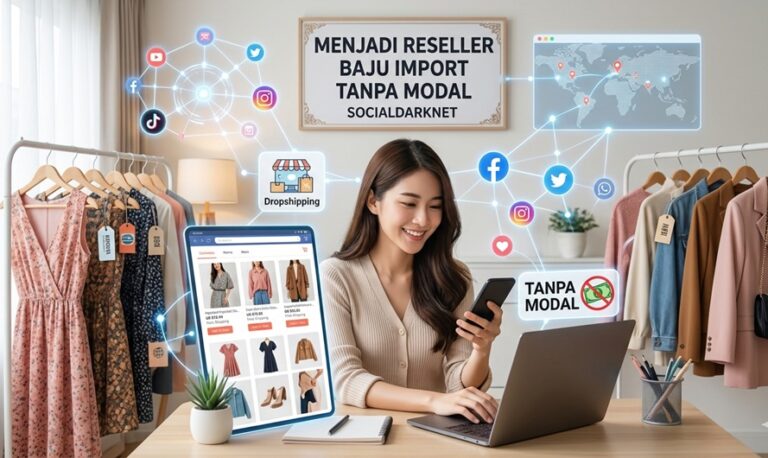
So you’ve been scrolling through online shops, seeing people sell trendy Korean tops, aesthetic Chinese streetwear, or Turkish linen sets — and you’re wondering: can I actually do this without money upfront?
The short answer is yes, you can start reselling imported clothes with little to no capital — but there’s a smarter way to go about it than most people realize. The key lies in choosing the right business model (dropshipping-style reselling), partnering with the right suppliers, and using free platforms that don’t charge you a dime to list products.
This guide breaks it all down — no fluff, just practical steps you can act on today.
What Is an Imported Clothes Reseller?
A reseller buys products from a supplier and sells them to end customers at a marked-up price. Simple concept, solid profit potential.
But there’s an important distinction many beginners miss:
| Term | What It Means | Do You Hold Stock? |
|---|---|---|
| Reseller | Buys from supplier, sells to customer | Usually yes |
| Dropshipper | Takes orders, supplier ships directly | No |
| Reseller-Dropship Hybrid | Acts as reseller but uses supplier’s stock | No |
When people talk about becoming a reseller without capital, they’re really talking about that third model — the hybrid approach. You market the products, collect orders, then pay the supplier only after the customer has paid you. No inventory. No warehouse. No upfront stock purchase.
Imported clothes, specifically, work well for this model because:
- Margins tend to be higher than local brands
- The “imported” label naturally justifies a premium price
- Variety is enormous — you can find almost any style or trend
Why Imported Clothes Sell So Well in Indonesia
Indonesia’s online fashion market is one of the fastest-growing in Southeast Asia. Consumers here are highly trend-sensitive, and platforms like TikTok, Instagram, and Shopee have made it incredibly easy for people to discover and buy fashion online.
A few reasons imported clothes consistently perform:
Korean fashion dominates the young adult segment. Clean cuts, neutral palettes, and influencer-driven trends make Korean styles an easy sell.
Chinese fashion (sourced from platforms like 1688 or Taobao) offers extremely competitive pricing with surprisingly good quality — especially in categories like casual wear, outerwear, and basics.
Turkish and Middle Eastern fashion has surged in demand, particularly modest wear — long dresses, wide-leg trousers, and linen sets that appeal to a huge segment of the Indonesian Muslim market.
The demand is there. What you need is the right entry strategy.
Can You Really Start with Zero Capital? (Honest Answer)
Let’s be real here — “zero capital” is a bit of a stretch in the strictest sense. You’ll likely need:
| What You Need | Approximate Cost |
|---|---|
| Smartphone with internet | Already own it (hopefully) |
| Selling platform account | Free |
| Product photos/content | Free (supplier usually provides) |
| First order sample (optional) | Rp 50,000 – Rp 200,000 |
| Packaging (if you handle shipping) | Rp 0 if supplier handles it |
So the real cost barrier is almost nothing if you go the dropship-reseller route. The one thing you might want to spend a small amount on early on is ordering a sample — so you can vouch for the quality yourself and create authentic content. But even this is optional when starting out.
What you do need to invest is time and consistency. That’s the real currency here.
Step-by-Step: How to Start Reselling Imported Clothes with No Capital
Step 1: Choose Your Niche and Target Audience
Don’t try to sell everything. The more specific your focus, the easier it is to build an audience and a reputation.
Some profitable niches to consider:
- Korean casual wear for teens and young adults
- Modest fashion / hijab-friendly styles
- Plus-size imported clothing (underserved market)
- Office wear and formal imports
- Streetwear and oversized fits
Once you pick a niche, think about who your ideal buyer is. Where do they hang out online? What’s their budget? What problem does your product solve for them?
Step 2: Find a Reliable Supplier
This is the most critical step. A bad supplier will ruin your reputation before you even build one.
Where to find suppliers:
- Local import agents — These are people or small businesses in Indonesia who already import in bulk and are looking for resellers. Search Facebook groups, WhatsApp communities, or Tokopedia for “supplier baju import reseller.”
- 1688.com — China’s wholesale platform (in Chinese, but navigable with Google Translate). Direct-source pricing is very competitive.
- Taobao — Better for trend-forward styles; slightly higher price than 1688 but easier to navigate.
- Local trade centers — Tanah Abang, Mangga Dua, or Thamrin City in Jakarta often have imported goods at wholesale prices.
What to look for in a supplier:
| Green Flag | Red Flag |
|---|---|
| Has clear product photos | Blurry or stolen photos |
| Responsive to messages | Takes days to reply |
| Willing to dropship | Requires large minimum orders |
| Has return/exchange policy | “No returns” on everything |
| Positive reviews/testimonials | No track record |
Always test a supplier with a small order before committing to promote their products heavily.
Step 3: Register on Free Selling Platforms
No need to build a website or spend money on hosting. Start where your buyers already are.
The best free platforms for beginners:
Shopee — Largest e-commerce platform in Indonesia. Free to list, has built-in traffic, and their affiliate/dropship program is beginner-friendly.
TikTok Shop — Massive potential for organic reach. If you can create short videos, one viral clip can bring in dozens of orders overnight.
Instagram — Better for building a brand aesthetic. Use Reels and Stories to showcase products. Works best when paired with consistent posting.
WhatsApp Business — Underrated tool. Set up a catalog, use broadcast lists, and sell directly to contacts. Zero fees, very personal touch.
You don’t need to be on all of them at once. Pick one or two, do them well, then expand.
Step 4: Create Promotional Content
You don’t need a professional camera or a studio. What you need is:
- Clear product photos (usually provided by your supplier — just make sure they’re not watermarked)
- Short videos showing the product, fabric texture, or styling ideas
- Honest captions that address common buyer concerns (sizing, material, shipping time)
A few content ideas that consistently work:
- “Outfit of the day” styled using your products
- Before/after: plain fabric vs styled look
- “What I ordered vs what arrived” (if quality is good, this builds trust)
- Customer review reposts
The goal of your content is to build trust and desire — not just show a product and slap a price on it.
Step 5: Handle Orders and Coordinate with Your Supplier
Once orders start coming in, here’s a typical flow:
- Customer places order and pays you
- You collect orders (daily or every few days)
- You pay your supplier and provide customer shipping details
- Supplier ships the package
- You track the shipment and update your customer
Keep a simple spreadsheet to track orders, payments, and shipping status. Staying organized early on prevents a lot of headaches later.
Step 6: Build Your Reputation Through Reviews
In the beginning, reviews are everything. A few ways to build them fast:
- Follow up with every buyer and politely ask for a review
- Offer a small incentive (discount on next order) for honest feedback
- Handle complaints quickly and without drama — a resolved complaint often results in a loyal repeat customer
Best Platforms Compared: Where Should You Start?
| Platform | Traffic | Ease of Use | Best For | Cost |
|---|---|---|---|---|
| Shopee | Very High | Easy | Beginners, wide audience | Free |
| TikTok Shop | High + Viral Potential | Medium | Video-savvy sellers | Free |
| Medium | Medium | Brand building, aesthetics | Free | |
| WhatsApp Business | Low (your network) | Very Easy | Personal selling, loyal base | Free |
| Tokopedia | High | Easy | Product variety, SEO | Free |
How to Find Trusted Imported Clothes Suppliers
Beyond the platforms mentioned earlier, here are some community-based ways to find good suppliers:
Facebook Groups — Search “reseller baju import” or “supplier import murah.” These groups are active and often have verified supplier lists shared by members.
Telegram Channels — Many suppliers run their own Telegram channels where they post new arrivals, prices, and dropship terms.
Instagram Supplier Accounts — Search hashtags like #supplierbajuimport or #agenbajuimport. Legitimate suppliers usually have consistent posting histories.
Trade Expos — Events like INACRAFT or local fashion expos sometimes feature importers looking for reseller partners.
How to Sell Without Spending on Ads
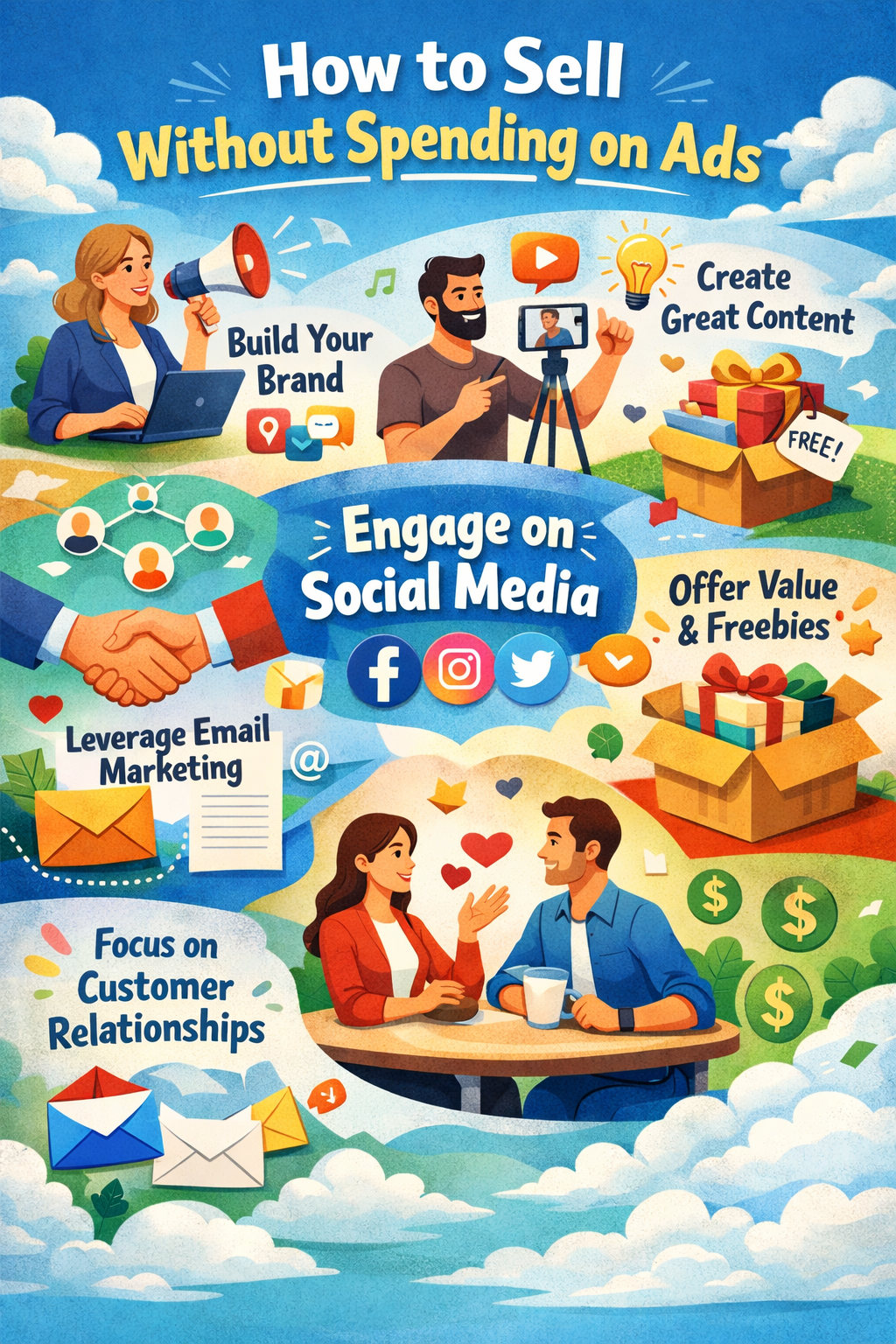
Paid ads can accelerate growth — but they’re not mandatory when you’re starting out. Here’s how to generate sales organically:
Join reseller communities. There are hundreds of WhatsApp and Telegram groups where resellers share tips, supplier contacts, and even customers. Being active in these communities builds your network fast.
Leverage your existing contacts. Your first customers are often people who already know you. Post on your personal social media, tell friends and family, and ask them to share. It feels awkward but it works.
Use hashtags strategically. On Instagram and TikTok, the right hashtags can get your content in front of thousands of potential buyers at zero cost.
Collaborate with micro-influencers. Offer a free product in exchange for an honest review post. Nano-influencers (1K–10K followers) often have highly engaged audiences and are more willing to collaborate for free product.
Post consistently. The algorithm rewards consistency. Even 3–4 posts per week on TikTok or Instagram can build meaningful organic reach over time.
Common Mistakes New Resellers Make
Most beginners stumble on the same issues. Knowing them in advance saves you time, money, and embarrassment.
Picking the wrong supplier — Going with the cheapest option without testing quality first. One batch of poor-quality items can destroy your reputation overnight.
Ignoring customer service — Slow replies, vague answers, and ignoring complaints will tank your ratings fast. Treat every customer like they’re your only customer, especially early on.
Underpricing — Many new resellers undercut to compete, but this destroys margins. Know your costs, add a fair markup, and compete on service and trust instead.
Trying to be everywhere at once — Spreading yourself thin across 5 platforms when you’re just starting leads to inconsistency. Master one platform before adding another.
Not building a brand identity — Using random product photos with no cohesive look makes you forgettable. Even a simple consistent aesthetic — same filter, same caption style, same logo watermark — makes you look more professional.
How Much Can You Realistically Earn?
Income varies a lot based on effort, niche, and platform — but here’s a realistic picture for beginners:
| Stage | Monthly Orders | Avg. Profit Per Item | Est. Monthly Income |
|---|---|---|---|
| Just Starting (Month 1–2) | 10–30 orders | Rp 25,000–50,000 | Rp 250,000–1,500,000 |
| Growing (Month 3–6) | 50–150 orders | Rp 30,000–70,000 | Rp 1,500,000–10,500,000 |
| Established (6 months+) | 200+ orders | Rp 50,000–100,000 | Rp 10,000,000+ |
These are conservative estimates. Some resellers hit Rp 5–10 million within their first few months by going hard on TikTok content. Others take longer if they rely purely on WhatsApp.
The point is — the ceiling is real, and it grows as you build your audience and supplier relationships.
Final Thoughts
Becoming a reseller of imported clothes without capital is absolutely achievable — but it works best when you treat it like a real business from day one, not a side hustle you half-commit to.
The model is simple: find a niche, lock in a reliable supplier, show up consistently on the right platform, and prioritize your buyers’ experience above everything else.
You don’t need a big investment to start. You need the right information, a bit of hustle, and the patience to let the business grow.
Start small. Start today. Scale when you’re ready.