
Author

Larry Perry

Browsing

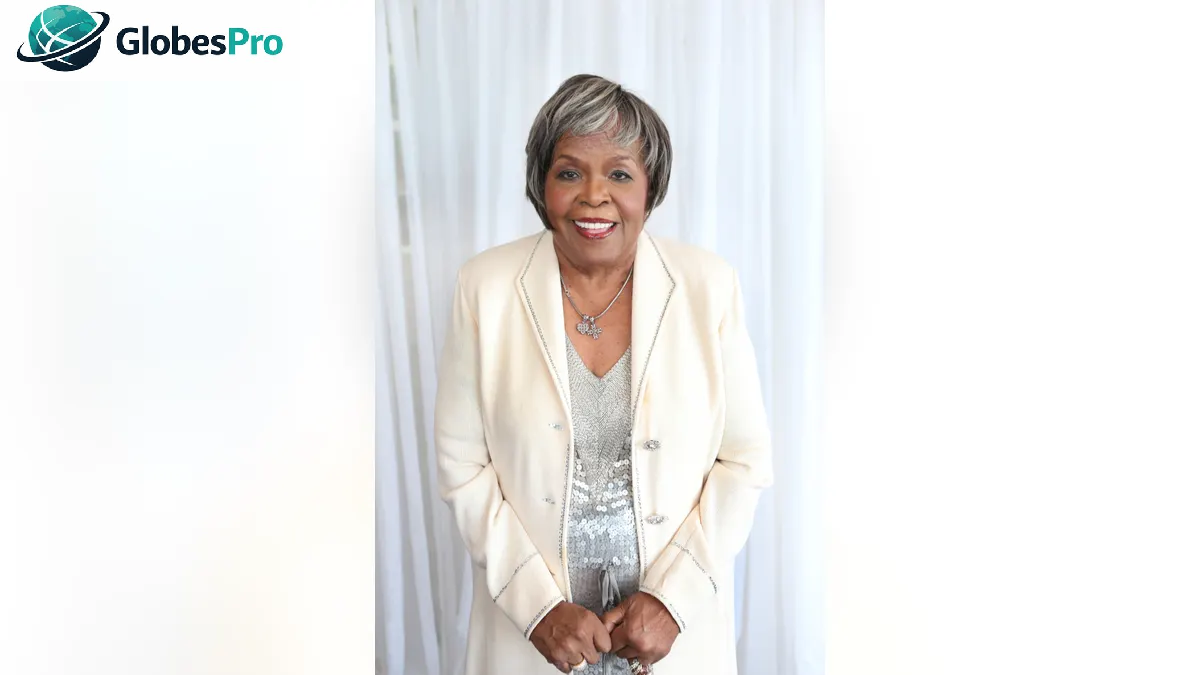
Vernita Lee was the mother of media mogul Oprah Winfrey, a woman whose life story embodies the struggles of African-American single mothers in mid-20th century America and whose complex relationship with her famous daughter illustrates how reconciliation and healing are possible even after decades of pain and distance.

Vernita Lee
Born May 2, 1935
Birthplace Kosciusko, Mississippi, United States
Died November 22, 2018 (Thanksgiving Day)
Age at Death 83 years old
Place of Death Milwaukee, Wisconsin (her home)
Occupation Housemaid/Housekeeper
Primary Residence Milwaukee, Wisconsin (most of adult life)
Children Oprah Winfrey (born 1954), Patricia Lee Lloyd (deceased 2003), Jeffrey Lee (deceased 1989), Patricia Lofton (given up for adoption 1963)
Grandchildren Alisha Hayes, Chrishaunda Lee Perez, Aquarius Lofton, Andre Brown
Partner Vernon Winfrey (Oprah’s father, brief relationship)
Known For Mother of Oprah Winfrey, housemaid, overcoming adversity
Challenges Single motherhood, poverty, racial segregation, unskilled labor
Notable Appearance The Oprah Winfrey Show makeover (1990)
Reconciliation Early 1990s with daughter Oprah
Final Years Comfortable retirement supported by Oprah
Funeral Private service held shortly after death

Born in segregated Mississippi in 1935, Vernita Lee became a teenage mother at age 18 when she gave birth to Oprah in 1954, the result of a brief relationship with Vernon Winfrey, a young soldier. Facing limited opportunities as a young, unmarried Black woman in the Jim Crow South, she made the difficult decision to leave her daughter with her mother and move north to Milwaukee in search of better employment opportunities.

Her life as a housemaid in Milwaukee was marked by financial struggles, multiple children, and the overwhelming challenges of single parenthood that ultimately led to a fractured relationship with Oprah that would take decades to heal. Despite providing for her children’s basic needs, Vernita’s circumstances prevented her from offering the emotional nurturing and stable home environment that Oprah needed during her formative years.

The relationship between mother and daughter remained strained for many years, with Oprah publicly acknowledging that she did not communicate with her mother for a seven-year period. However, in the early 1990s, reconciliation began when Vernita appeared on The Oprah Winfrey Show for a makeover, marking the start of a healing process that would continue until Vernita Lee’s peaceful death on Thanksgiving Day 2018, surrounded by the knowledge that she had “lived a good life.”

Growing Up in Segregated Mississippi

Vernita Lee was born on May 2, 1935, in Kosciusko, Mississippi, a small town in the heart of the segregated South. Her childhood occurred during some of America’s darkest racial periods, when Jim Crow laws enforced strict racial separation and Black Americans faced systematic oppression, limited educational opportunities, and economic marginalization.

Growing up in rural Mississippi during the 1930s and 1940s meant experiencing poverty, witnessing racial violence, and understanding from an early age that opportunities would be severely limited by the color of her skin. The agricultural economy of Mississippi offered little to young Black women beyond domestic work or field labor, both poorly compensated and offering no path to advancement.

Education for Black children in Mississippi during this era was grossly inadequate—segregated schools received a fraction of the funding that white schools did, school years were shorter to accommodate agricultural labor needs, and many children left school early out of economic necessity. Vernita’s lack of formal education would later limit her employment options throughout her life.

Despite these challenges, Vernita developed resilience and determination to survive in a world stacked against her. These qualities would later help her navigate single motherhood in an unforgiving economic environment, though they couldn’t shield her children from the hardships that poverty creates.

Vernita Lee

Teenage Motherhood: Oprah’s Birth

At age 18, Vernita Lee met Vernon Winfrey, a young soldier stationed away from home. Their brief relationship resulted in pregnancy, and on January 29, 1954, Vernita gave birth to a baby girl she named Orpah, after a biblical character. The baby would become known as Oprah because people consistently mispronounced her given name.

Vernon Winfrey learned he was a father when Vernita sent him a birth announcement clipping with a note attached that simply said “Send clothes!” This communication method reflected the distance between them—both geographical and relational. They were not married, not living together, and not planning a future as a couple.

Neither young parent was in a position to provide stable care for a baby. Vernon was serving in the military with limited resources and uncertain future prospects. Vernita, at just 18, faced the reality of single motherhood in 1950s Mississippi with no education, no job skills, and no support system beyond her own mother.

The circumstances forced difficult decisions about Oprah’s care. For the first six years of her life, Oprah was raised by her maternal grandmother, Hattie Mae, on a farm in Kosciusko. This arrangement allowed Vernita to pursue economic opportunities while ensuring her daughter received care, though it meant being separated from her child during crucial early developmental years.

Hattie Mae provided the stability, education, and emotional nurturing that shaped Oprah’s early development. She taught Oprah to read by age three, encouraged her to speak publicly in church, and built her granddaughter’s self-esteem and confidence. These early years with her grandmother created foundations that would later enable Oprah’s success, compensating somewhat for what Vernita couldn’t provide.

The Move to Milwaukee: Seeking Opportunity

At age 20, Vernita made the decision to migrate north to Milwaukee, Wisconsin, joining the Great Migration that saw millions of African Americans leave the South seeking better economic opportunities and escaping Jim Crow oppression. Milwaukee’s industrial economy promised employment that simply didn’t exist for Black women in rural Mississippi.

In Milwaukee, Vernita found work as a housemaid, cleaning homes for white families. The work was physically demanding, the hours were long, and the pay was modest, but it represented economic advancement compared to options available in Mississippi. Domestic work was one of few employment paths open to Black women with limited education during this period.

Life in Milwaukee wasn’t easy. Vernita lived in the city’s predominantly Black neighborhoods, areas that faced housing discrimination, underfunded schools, and limited economic opportunities despite being in the urban North. The promised land of northern cities often delivered only marginally better conditions than the South, with racism manifesting in different but still oppressive forms.

The work schedule of a housemaid made child-rearing extremely difficult. Long, irregular hours, low wages that necessitated multiple jobs, and the physical exhaustion of cleaning other people’s homes left little time or energy for focused parenting. This reality would create challenges once Vernita reunited with Oprah.

Reuniting with Oprah: A Difficult Transition

When Oprah was six years old, Vernita brought her daughter to Milwaukee. The reunion was not the joyful mother-daughter connection that fairy tales promise. Oprah later described meeting “this woman who I’m told is my mother” and feeling “none of the normal feelings—love, joy at being together again.”

For Oprah, the transition was traumatic. She left the rural farm where her grandmother had provided stability, education, and affection, moving to an unfamiliar urban environment with a woman who was essentially a stranger. The Milwaukee apartment felt cramped and foreign compared to the farm’s open spaces.

The household situation was chaotic. Vernita had given birth to another daughter, Patricia Lee Lloyd, and was struggling to care for two children on a housemaid’s wages. The economic pressures created constant stress, and Vernita lacked the emotional resources to provide the nurturing that young children need.

Disturbingly, during this period living with her mother, Oprah was sexually assaulted by multiple family members and acquaintances—her cousin, an uncle, and a family friend. The abuse occurred in Vernita’s home, though whether Vernita knew about it at the time remains unclear. What is certain is that the environment failed to protect young Oprah from predatory adults.

At one point, Oprah literally slept on the porch of the boarding house where Vernita resided, a detail that speaks to the overcrowded, inadequate living conditions. This experience of homelessness, even as a child living with her mother, would later inform Oprah’s understanding of poverty and her philanthropic focus on housing and children’s welfare.

Back and Forth: The Vernon Winfrey Years

Recognizing that she couldn’t adequately care for Oprah, Vernita Lee sent her daughter to live with Vernon Winfrey in Nashville, Tennessee when Oprah was about eight years old. Vernon had established a more stable life—he had left the military, become a barber, married a woman named Zelma, and created a structured household.

The contrast between Vernon’s home and Vernita’s was stark. Vernon and Zelma emphasized education, had clear rules and expectations, maintained a stable household routine, and provided the structure that helps children thrive. Under Vernon’s care, Oprah began to flourish academically and developmentally.

However, in the summer of 1963, Vernita asked for Oprah to visit Milwaukee for the summer. When Vernon came to collect his daughter at summer’s end, Vernita refused to let Oprah return to Nashville. Vernon later told The Washington Post this was the only time he ever cried about his daughter, knowing that returning to Vernita’s chaotic environment would harm Oprah’s development.

Unfortunately, his fears proved accurate. Back in Milwaukee as a teenager, Oprah became rebellious, lying and stealing. The instability of Vernita’s household, combined with normal adolescent challenges and the trauma of past abuse, created perfect conditions for troubled behavior. Oprah ran away from home at one point, seeking escape from an intolerable situation.

At age 14, Oprah became pregnant, likely the result of sexual abuse rather than consensual activity given her age and history of assault. When Vernita discovered the pregnancy, her response was to punish Oprah and attempt to place her in a detention center for wayward girls. Only the lack of available space at the facility prevented this placement.

Instead, Vernita sent the pregnant Oprah back to Nashville to live with Vernon. Two weeks after arriving in Tennessee, Oprah gave birth prematurely to a baby who died shortly after birth. Vernon viewed the tragedy as an opportunity for a fresh start, helping Oprah redirect her life toward education and achievement.

Additional Children and Hidden Secrets

Beyond Oprah and Patricia Lee Lloyd, Vernita had two more children. She gave birth to a son, Jeffrey Lee, who would later die in 1989. She also had another daughter, Patricia Lofton, born on April 26, 1963.

However, Vernita made the heartbreaking decision to give Patricia Lofton up for adoption at birth, leaving the newborn at the hospital. This daughter’s existence remained a secret from Oprah and the rest of the family for nearly 50 years, a burden of shame that Vernita carried silently for decades.

The decision to relinquish Patricia for adoption reflected Vernita’s recognition that she was already overwhelmed caring for the children she had. Single motherhood with limited income, no education, and minimal support made each additional child an insurmountable challenge. Yet the secrecy surrounding this decision suggests deep shame about circumstances that were largely beyond her control.

Patricia Lofton would eventually discover her connection to the Lee family in 2010, learning that her biological mother was Vernita Lee and that Oprah Winfrey was her half-sister. When confronted with this revelation, Vernita initially denied it out of shame before eventually acknowledging the truth.

The lives of Vernita’s children reflect the challenges she faced. Jeffrey Lee died young in 1989. Patricia Lee Lloyd died in 2003 at age 43. Only Oprah and Patricia Lofton (given up for adoption) survived their mother, though both carried scars from their difficult childhoods.

Seven Years of Silence

The accumulated pain, trauma, and dysfunction in Oprah and Vernita’s relationship eventually led to a complete breakdown in communication. In an October 1993 Ebony interview, Oprah revealed that she did not see or hear from her mother for seven years.

“So when she shows up, I’m like, ‘Well, what am I supposed to feel? What’s a daughter supposed to feel like?'” Oprah said, describing the confusion and anger that prevented reconciliation during this period. The emotional wounds from childhood—the neglect, the abuse that occurred in Vernita’s home, the instability, the teenage pregnancy punishment—created barriers that seemed insurmountable.

During this estrangement, Oprah’s career was taking off. She became a national television personality, then launched The Oprah Winfrey Show in 1986, which became a cultural phenomenon. Her success happened entirely separate from her relationship with Vernita, driven by the foundations her grandmother and father had provided rather than anything Vernita contributed.

Yet despite the estrangement and hurt, Oprah turned to her faith for guidance about her obligations to her mother. “What you owe your parents is honor and respect because that’s what the Bible tells me,” she explained. This biblical principle led her to provide financial support for Vernita even during their years of non-communication.

“And so I have provided a great economic life for both my parents,” Oprah stated, acknowledging that while emotional connection remained broken, she felt obligated to ensure her mother’s material needs were met. This separation of financial support from emotional relationship allowed Oprah to fulfill what she saw as her duty without forcing a reconciliation she wasn’t ready for.

Reconciliation: The 1990 Makeover

The turning point in their relationship came in the early 1990s when Vernita Lee appeared as a guest on The Oprah Winfrey Show. During the episode, one of Oprah’s assistants gave Vernita a makeover, transforming the former housemaid’s appearance and perhaps symbolically representing the transformation beginning in their relationship.

The makeover episode occurred during a difficult period for Vernita—she was dealing with the death of her son Jeffrey, who had died in 1989. The grief and loss may have created openness to reconnection with Oprah, recognizing the fragility and preciousness of family relationships.

For Oprah, extending this public olive branch required vulnerability and willingness to risk further hurt. Inviting her mother onto her show meant exposing their complicated relationship to millions of viewers and opening herself to criticism about family matters she had previously kept private.

The reconciliation didn’t erase the past or suddenly create the idealized mother-daughter relationship that neither had experienced. Instead, it represented acceptance of what was possible between them—a relationship based on mature understanding rather than childhood needs or fairy-tale expectations.

In a joint interview during the 2000s, Oprah demonstrated this acceptance, discussing her mother’s circumstances with empathy: “When I was in Milwaukee, my mom was raising me as well as a half-sister, who is now dead, and half-brother, who is now dead, as a single woman in Milwaukee—basically, no education, unskilled, in the ’60s. Very, very hard. The sacrifice that that requires, day in and day out, to give up yourself is a lot.”

This statement shows Oprah’s evolved perspective—recognizing that Vernita did her best within impossible circumstances, even if that best fell short of what Oprah needed as a child.

The Final Secret Revealed

In 2010, the discovery of Patricia Lofton created another challenge for Vernita and Oprah’s relationship. When Patricia discovered through adoption records and investigation that Vernita was her biological mother, the long-held secret threatened to unravel the fragile reconciliation that had been building for two decades.

Initially, Vernita denied having given up a child for adoption, the shame of that decades-old decision still powerful enough to provoke lies. But the evidence was irrefutable—DNA testing confirmed Patricia’s biological connection to the Lee family.

In 2011, Oprah invited both Vernita and Patricia onto her show to discuss the situation publicly. The episode was emotional, with truths finally spoken after 48 years of secrecy. Oprah encouraged her mother to release the shame she had carried for so long.

“To my mother, I say, ‘You can let this shame go,'” Oprah told Vernita during the show, offering forgiveness and understanding for a decision made out of desperation rather than malice. Patricia echoed this sentiment, telling Vernita she forgave her for the adoption decision.

The revelation could have destroyed their relationship, exposing lies and reopening old wounds. Instead, it became an opportunity for deeper healing as both Oprah and Patricia chose grace over judgment, recognizing that Vernita’s circumstances in 1963 left her with no good options.

Comfortable Retirement and Final Years

Following the success of The Oprah Winfrey Show and Oprah’s accumulation of wealth, Vernita was able to retire comfortably. Oprah ensured her mother had financial security, a home in Milwaukee, and the material comfort that had eluded her throughout her working years.

However, this financial support sometimes created complications. In 2008, a fancy Milwaukee clothing store called Valentina sued Vernita for an outstanding bill exceeding $155,000. Vernita’s defense was a countersuit arguing she wasn’t liable because the store exploited her “lack of knowledge, ability, and capacity” regarding debt.

The lawsuit revealed tensions around Vernita’s spending and perhaps suggested that having money after a lifetime of poverty created challenges she wasn’t equipped to handle. The incident may have strained her relationship with Oprah, though both kept such matters private.

According to a 2011 book about Oprah by Kitty Kelley, sources claimed Oprah had a strained relationship with Vernita even during her later years. “She does not like her mother, she does not give her phone number to her mother, but she has taken good, good care of her,” the author reported.

This description rings true with Oprah’s own statements—she fulfilled her obligations, provided generously, but maintained boundaries around emotional intimacy. The relationship existed on terms Oprah could manage, neither fully estranged nor deeply close.

During a 2013 OWN master class, Oprah discussed learning to “meet people—including her own mother—where they are and love them at the level they can receive it.” This wisdom reflected acceptance that Vernita couldn’t be the mother Oprah wished she’d had, but could be who she was, and that limited relationship was better than none.

Thanksgiving 2018: A Peaceful Death

On November 22, 2018—Thanksgiving Day—Vernita Lee died peacefully at her home in Milwaukee at age 83. Her death came while Oprah was in Santa Barbara, California, celebrating Thanksgiving with girls from the Leadership Academy she founded in South Africa, girls who had become like honorary daughters to her.

In the weeks before her death, Vernita had been in hospice care. Oprah flew to Milwaukee to be with her mother during this time, seeking the right words for goodbye after a lifetime of complicated relationship.

Oprah later told People magazine about struggling to find the perfect farewell. She came across a book about “little conversations” that helped her think about what needed to be said. “I was praying for a way in,” she explained, seeking both truth and an ideal parting.

She talked with her mother about what dying felt like, what it meant to be near the end. Understanding that Vernita knew death was approaching, Oprah told family members: “She knows it’s the end, so if you want to say goodbye, you should come and say goodbye.”

Music became the bridge Oprah sought. She called gospel singer Wintley Phipps, who sang “Precious Lord, Take My Hand” to Vernita via FaceTime. She played Joshua Nelson singing “How I Got Over.” The music opened Vernita emotionally in ways that words couldn’t.

“I could see that it opened her a little bit, because my mother’s been a very closed down person,” Oprah observed, recognizing that even at the end, emotional vulnerability remained difficult for Vernita.

Most significantly, Patricia Lofton—the daughter Vernita had given up for adoption and carried shame about for 55 years—told her mother she forgave her. This grace from the daughter who had every right to resent being abandoned provided Vernita peace as she approached death.

Oprah told her mother: “You should be able to go in peace. Nobody’s going to force you to do what you don’t want to do. Your body’s shutting down. What I want it to be is as peaceful as possible.”

Vernita died on Thanksgiving surrounded by this love and forgiveness, her complicated life concluding with the peace and acceptance she had been denied for so long.

Legacy and Lessons

Oprah posted a family photo on Instagram following her mother’s death: “Thank you all for your kind words and condolences regarding my mother Vernita Lee’s passing. It gives our family great comfort knowing she lived a good life and is now at peace.”

That simple statement—”lived a good life”—represents profound grace. Vernita’s life was marked by teenage pregnancy, poverty, single motherhood, racial oppression, limited education, back-breaking work, and relationships with her children that ranged from strained to estranged. Yet Oprah chose to honor what was good and meaningful rather than dwelling on what had been difficult.

Private funeral services were held shortly after Vernita’s death. Memorial donations were directed to Feeding America in her name, appropriate for someone who had known hunger and struggle throughout much of her life.

Vernita Lee’s story illuminates truths about poverty, racism, and motherhood in mid-20th century America. She was not a villain but a woman failed by systems that should have supported her—denied education, economic opportunity, childcare assistance, and the resources that make successful parenting possible.

Her relationship with Oprah demonstrates that even deeply fractured family bonds can heal when both parties choose grace over resentment, understanding over judgment, and acceptance over impossible expectations. The reconciliation came not from pretending the past didn’t happen, but from acknowledging it honestly while choosing to move forward differently.

For Vernita Lee, the arc of her 83 years bent ultimately toward peace—a peace that came through her daughters’ forgiveness, Oprah’s support, and the release of shame she had carried for too long, finally understanding that she had done her best in circumstances beyond her control.


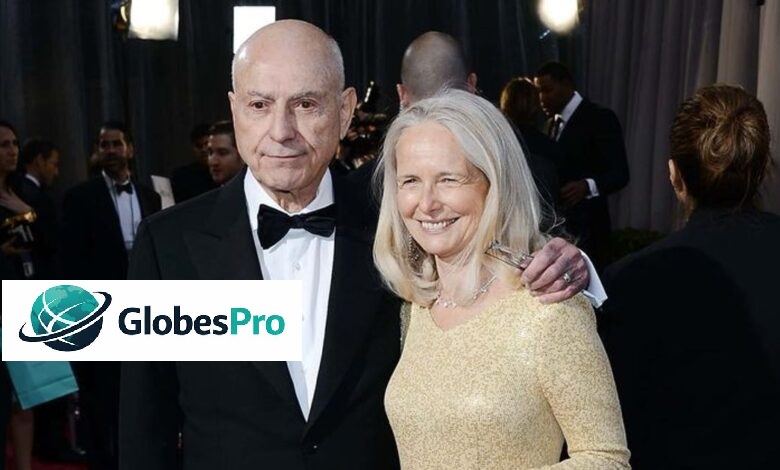
Jeremy Yaffe is best known as the first wife of Academy Award-winning actor Alan Arkin and the mother of acclaimed actors Adam Arkin and Matthew Arkin, but her story extends far beyond these familial connections into a narrative of independence, resilience, and purposeful living away from Hollywood’s glare. Born on March 23, 1937, in Massachusetts, she represents a generation of women who supported ambitious partners during their formative years while building meaningful lives defined by personal values rather than public recognition.

Personal Information Details
Full Name Jeremy Yaffe
Birth Date March 23, 1937
Birthplace Massachusetts, United States
Age 88 years old (as of 2025)
Parents George Yaffe and Ninna Yaffe
Education Bennington College (arts focus)
First Marriage Alan Arkin (married 1955, divorced 1961)
Children Adam Arkin (born 1956), Matthew Arkin (born 1960)
Career Nurse (after retraining post-divorce)
Musical Involvement Briefly performed with The Baby Sitters folk group
Estimated Net Worth Approximately $1 million (from nursing career)
Current Status Alive, living privately
Subsequent Marriages Reportedly married at least three more times

Her marriage to Alan Arkin in December 1955, when she was just 18 years old, began before his rise to fame and ended in 1961, long before his Academy Award win and Hollywood recognition. During those six formative years, Jeremy Yaffe provided the stability and support that allowed Arkin to pursue his artistic ambitions through financial uncertainty and career struggles.

Unlike many individuals connected to celebrity through marriage, Jeremy chose a path of deliberate privacy after her divorce, eventually retraining as a nurse and building a career based on service and compassion rather than capitalizing on her connection to an increasingly famous ex-husband. This choice reflects values of independence and dignity that have defined her entire life.

Her legacy lives most visibly through her sons, both of whom inherited their father’s artistic talent but also their mother’s grounded sensibility and work ethic, creating successful careers in entertainment while maintaining the kind of professionalism and character that speaks to her influence during their formative years.

Early Life and Artistic Foundations

Growing up in Massachusetts during the 1940s and early 1950s, Jeremy Yaffe was raised in a household that valued creativity alongside traditional values. Her parents, George and Ninna Yaffe, created an environment that encouraged artistic expression and self-discovery, instilling in their daughter an appreciation for the arts that would later connect her to Alan Arkin.

The Yaffe family emphasized education, discipline, and community involvement—middle-class American values of the era that shaped Jeremy’s worldview. Unlike many young women of her generation who were discouraged from intellectual or artistic pursuits, Jeremy’s parents supported her interests in music and dance, recognizing creativity as essential to personal development.

These early artistic interests led Jeremy to Bennington College in Vermont, a progressive institution known for its focus on the arts and experimental education. Bennington attracted students who valued creative expression and unconventional thinking, making it the perfect environment for someone with Jeremy’s background and interests.

At Bennington, Jeremy developed her talents in music and dance while also cultivating the intellectual curiosity and independence that would serve her throughout life. The college’s emphasis on individual expression and creative exploration aligned perfectly with her natural inclinations, providing a formative educational experience that shaped her identity beyond just academic credentials.

Meeting Alan Arkin: A College Romance

Jeremy Yaffe and Alan Arkin met at Bennington College, where both pursued their artistic passions. Alan, born on March 26, 1934, was three years older than Jeremy and already deeply committed to developing his skills as an actor and musician. Their shared love of the arts created immediate connection and mutual understanding.

The attraction between them went beyond physical or romantic chemistry—they recognized kindred spirits in each other, both committed to artistic expression and willing to make sacrifices for creative fulfillment. This shared worldview made their relationship feel inevitable despite their youth.

Their romance developed during their college years, a period when both were still discovering themselves and their artistic identities. The intensity of first love combined with shared creative passions created a powerful bond that led quickly to marriage despite their young ages.

The relationship wasn’t without challenges from the start. The college administration disapproved of their marriage plans, reflecting the social norms of the era that discouraged young marriages and particularly frowned upon students marrying while still completing their education. This disapproval created tension but ultimately strengthened their resolve to build a life together.

Marriage at Eighteen: Building Life Together

Jeremy Yaffe married Alan Arkin in December 1955, just months after turning 18. The wedding marked the beginning of adult life for both of them—Jeremy barely out of adolescence and Alan at 21 still establishing himself as an artist. Their marriage began in an era when women typically married young and devoted themselves to supporting their husbands’ careers and raising children.

Following their marriage and faced with college administration opposition, the young couple left Vermont and relocated to New York City. This move represented a leap of faith—abandoning the security of college for the uncertain world of professional arts in America’s most competitive city.

Life in New York during the late 1950s proved challenging for the newlyweds. Alan struggled to find consistent acting work in a city flooded with talented performers all competing for limited roles. The financial instability that comes with pursuing an acting career created constant stress for the young couple.

To make ends meet, Alan joined folk music groups including The Tarriers and The Baby Sitters, performing wherever he could find an audience. The Tarriers achieved moderate success, even having a hit with “The Banana Boat Song,” though financial rewards remained modest. The Baby Sitters focused on children’s folk music, a niche that provided some income but hardly represented the artistic success Alan envisioned.

Interestingly, Jeremy Yaffe briefly contributed to The Baby Sitters, demonstrating her own creative abilities and willingness to support the family income however possible. This participation showed she wasn’t simply a passive wife but an active partner trying to help navigate their financial challenges through her own talents.

Motherhood: Adam and Matthew Arkin

In August 1956, less than a year into their marriage, Jeremy gave birth to their first son, Adam Arkin. Becoming a mother at just 19 years old thrust Jeremy into adult responsibilities while she was barely past adolescence herself. The demands of caring for an infant while managing limited finances and supporting Alan’s career created enormous pressure.

Adam would grow up to become an accomplished actor and director, earning Emmy nominations and critical acclaim for roles in television series like Chicago Hope, Sons of Anarchy, and Masters of Sex. He also established himself as a respected director, helming episodes of Grey’s Anatomy, The Americans, and Justified. His success speaks to the foundation both parents provided despite their struggles.

Their second son, Matthew Arkin, was born in March 1960, four years after Adam. By this point, Alan’s career was showing more promise, though major success still lay ahead. Matthew also pursued acting and teaching, though he maintained a lower profile than his brother Adam.

Raising two young boys in New York City during the late 1950s and early 1960s while Alan pursued an unpredictable career demanded extraordinary patience and resourcefulness from Jeremy. She managed household responsibilities, childcare, and the emotional labor of maintaining family stability despite financial uncertainty and Alan’s frequent absences for performances and auditions.

The strains of early parenthood combined with career pressures and financial stress created tensions in the marriage. Alan’s increasing opportunities required more time and travel, leaving Jeremy increasingly alone with parenting responsibilities. This dynamic, common in marriages where one partner pursues demanding careers, gradually eroded their relationship.

The 1961 Divorce: A Marriage Ends

After six years of marriage, Jeremy Yaffe and Alan Arkin divorced in 1961. The split occurred just as Arkin’s career was beginning to gain real momentum—he would win a Tony Award in 1963 for his Broadway performance in “Enter Laughing” and receive his first Academy Award nomination in 1967 for “The Russians Are Coming, the Russians Are Coming.”

The divorce reflected the reality that many young marriages, particularly those formed during periods of uncertainty and struggle, don’t survive the pressures of parenthood, financial stress, and career demands. Both Jeremy and Alan were still very young—she was just 24 and he was 27—when their marriage ended.

For Jeremy, the divorce meant suddenly being a single mother of two young boys, ages five and one, without the financial security of an established career. Unlike today’s more equitable divorce settlements, women in the early 1960s often received limited support and faced significant challenges in supporting themselves and their children.

The end of the marriage also meant watching from the sidelines as Alan’s career took off, achieving the success they had struggled together to reach during their marriage years. This dynamic—where one partner achieves success after divorce—creates complex emotions of pride in past support combined with loss about not sharing in the rewards.

Despite the divorce, Jeremy and Alan maintained a civil relationship focused on co-parenting their sons. This mature approach benefited Adam and Matthew, who maintained relationships with both parents rather than being caught in acrimonious battles that damage many children of divorce.

Life After Divorce: Retraining as a Nurse

Faced with the necessity of supporting herself and contributing to her sons’ upbringing, Jeremy Yaffe made a practical and admirable decision—she returned to school to retrain as a nurse. This career choice reflected both necessity and her compassionate nature, creating a path toward financial independence while also engaging in meaningful work.

Nursing in the 1960s and beyond provided solid middle-class income and job security, crucial factors for a single mother. The profession also aligned with Jeremy’s character traits—her caring nature, practical sensibility, and focus on service rather than recognition made her well-suited to healthcare work.

The transition from young artistic wife of a struggling actor to professional nurse demonstrated remarkable resilience and adaptability. Many women in similar circumstances might have sought support from family or pursued other paths, but Jeremy chose independence through professional competence.

Her nursing career lasted many years, providing the financial stability she needed while also giving her personal fulfillment through helping others. The work was demanding—nursing requires physical stamina, emotional resilience, and constant learning—but it suited Jeremy’s strengths and values.

The estimated net worth of approximately one million dollars that she accumulated came primarily from her own hard work and professional accomplishments rather than any connection to Alan Arkin’s eventual success. This financial independence speaks to her work ethic and commitment to self-sufficiency.

Subsequent Marriages and Private Life

Following her divorce from Alan Arkin, Jeremy Yaffe reportedly married at least three more times over the subsequent decades. However, true to her preference for privacy, details about these marriages remain largely unknown to the public. She never sought media attention or leveraged her connection to increasingly famous Alan Arkin for publicity or financial gain.

By the time Matthew Arkin was profiled in the New York Times in March 2000, Jeremy was single again, suggesting that her subsequent marriages had also ended. The pattern of multiple marriages reflects the complexity of finding compatible partnership and the challenges many people face in building lasting relationships.

Despite various family configurations over the years, Jeremy remained a constant presence in her sons’ lives. After initially raising the boys in California during their early years, they eventually spent time living with their father and stepmother Barbara Dana in Greenwich Village. This arrangement suggests Jeremy prioritized what was best for her sons even when it meant less time with them.

Her willingness to co-parent flexibly and put her children’s needs ahead of her own preferences demonstrates mature parenting that benefited Adam and Matthew’s development. Many divorced parents struggle with sharing custody or supporting children’s relationships with ex-partners, but Jeremy appears to have navigated these challenges with grace.

Throughout all life changes—career transitions, subsequent marriages, and evolving family dynamics—Jeremy maintained her commitment to privacy. She never gave interviews about Alan Arkin, never wrote memoirs trading on her connection to celebrity, and never sought attention for her sons’ successes.

Her Sons’ Careers and Her Influence

The success of both Adam and Matthew Arkin in entertainment careers speaks to the foundation both parents provided, but Jeremy’s influence shouldn’t be underestimated. While Alan Arkin’s talent and industry connections certainly opened doors, Jeremy’s grounding presence and practical support during their formative years shaped them into well-adjusted, professional adults.

Adam Arkin became the more publicly successful of the two brothers. His acting career includes numerous television and film roles, but he’s perhaps best known for his work on Chicago Hope, where he earned multiple Emmy nominations. His transition into directing has been equally successful, with credits on some of television’s most critically acclaimed series.

Adam’s reputation in the industry isn’t just about talent—he’s known for professionalism, reliability, and collaborative spirit. These character traits likely reflect his mother’s influence alongside his father’s artistic gifts. Jeremy’s emphasis on responsibility, work ethic, and treating others well appears to have shaped Adam’s approach to his career.

Matthew Arkin pursued acting and teaching, choosing a path with lower public visibility but equal validity. Not every child of a famous parent seeks or achieves the same level of success, and Matthew’s choices reflect his own interests and values rather than simply following his father’s exact footsteps.

Both sons have maintained relationships with their mother throughout their adult lives, suggesting her continued importance to them beyond childhood. The fact that they’ve never publicly spoken negatively about her indicates positive relationships and respect for the privacy she values.

The Value of Privacy in a Public World

Jeremy Yaffe’s consistent choice of privacy over publicity stands in stark contrast to contemporary culture where many people connected to celebrities seek their own fame. She could have written tell-all books about her marriage to Alan Arkin, given interviews about raising famous sons, or leveraged her connections for personal gain.

Instead, she chose dignity and discretion. This choice reflects values increasingly rare in a culture that rewards self-exposure and treats privacy as something to overcome rather than preserve. Her example demonstrates that not everyone connected to fame desires it for themselves.

The privacy she maintained also protected her sons during their formative years, allowing them to develop their own identities without being defined primarily as “Alan Arkin’s children” or constantly fielding questions about their parents’ divorce and family dynamics.

As Jeremy approaches her late 80s, now 88 years old as of 2025, she continues living privately away from public attention. Her choice to remain out of the spotlight even in her later years, when many people might feel entitled to recognition or attention, demonstrates the consistency of her values throughout life.

Legacy Beyond Fame

Jeremy Yaffe’s legacy isn’t measured in awards, public recognition, or cultural impact in the traditional sense. Instead, her influence appears in the well-adjusted, successful, and grounded individuals her sons became, in the professional nursing career that helped countless patients, and in the example she set of living according to personal values rather than cultural pressures.

She represents countless women of her generation who supported ambitious partners during difficult early years, raised children through challenging circumstances, rebuilt their lives after divorce, and created meaning through work and family rather than fame. These stories rarely get told, but they’re fundamental to understanding American social history.

Her life also challenges assumptions about what constitutes success or a life well-lived. By conventional measures tied to fame, wealth, or public recognition, Jeremy Yaffe might seem unremarkable. But measured by independence achieved, service provided, children raised, and values maintained, her life represents genuine achievement.

For those curious about Jeremy Yaffe because of her connection to Alan Arkin or her sons, the most important lesson from her story might be that the most significant influences in famous people’s lives often come from those who deliberately choose to remain in the background, providing foundation rather than seeking spotlight, and measuring their impact by the lives they touch rather than the recognition they receive.

In today’s challenging economic landscape where inflation erodes purchasing power and unexpected expenses can derail even the most carefully planned budgets, gomyfinance.com saving money has emerged as an essential resource for individuals seeking practical strategies to accumulate wealth and achieve financial stability. This comprehensive platform combines cutting-edge financial technology with proven saving methodologies to help users automate their savings, track progress toward goals, and develop sustainable money management habits that transform financial futures. The gomyfinance.com saving money approach recognizes that effective saving isn’t about deprivation or extreme frugality, but rather about making intentional choices that align spending with values while consistently setting aside funds for both short-term needs and long-term aspirations.

Understanding gomyfinance.com saving money begins with recognizing that savings serve multiple critical functions in a healthy financial life, from providing emergency buffers that prevent debt accumulation during unexpected crises to funding major purchases without relying on high-interest loans and building wealth that eventually generates passive income. The platform offers tools and guidance that make saving accessible and achievable regardless of your current income level, debt situation, or previous financial mistakes, emphasizing that small consistent actions compound over time into significant results that fundamentally change your relationship with money and create genuine financial freedom.

Understanding the Fundamentals of Saving Money

Saving money represents the foundation of all financial security and wealth building. Without savings, you remain perpetually vulnerable to life’s inevitable surprises and unable to capitalize on opportunities requiring capital. The psychology of saving is as important as the mathematics, because sustainable saving habits require both understanding why you save and developing systems that make saving automatic rather than relying on willpower.

Saving Category Purpose Recommended Amount Time Horizon Liquidity Need
Emergency Fund Cover unexpected expenses without debt 3-6 months expenses Immediate access Very high – savings account
Short-Term Goals Purchases within 1-3 years Varies by goal 1-3 years High – savings or CDs
Medium-Term Goals Major purchases 3-7 years out Varies by goal 3-7 years Medium – conservative investments
Long-Term Goals Retirement, education 15-20% of income 10+ years Low – growth investments
Opportunity Fund Capitalize on investments or deals 10-20% of emergency fund Flexible Medium – accessible but separate

The emergency fund stands as your first savings priority because it prevents the debt spiral that occurs when unexpected car repairs, medical bills, or job loss force you to rely on high-interest credit cards. Without this buffer, a single financial setback can trigger cascading problems that take years to resolve.

GoMyFinance.com saving money tools help you calculate your specific emergency fund target based on your monthly expenses, income stability, and family situation. Someone with irregular freelance income needs a larger buffer than someone with stable employment and dual incomes in their household.

Alongside consistent saving habits, maintaining a strong credit profile is another pillar of long-term financial stability. Your credit score influences loan approvals, interest rates, and even everyday financial opportunities, making it a critical metric to monitor as you build wealth. Tools like the GoMyFinance.com credit score feature help users understand how saving behavior, debt management, and payment history collectively shape creditworthiness, allowing for more informed financial decisions and lower borrowing costs over time.

Key Features of GoMyFinance Saving Tools

The gomyfinance.com saving money platform offers several integrated features designed to accelerate your saving progress while making the process simpler and more engaging than traditional approaches that rely solely on willpower and manual tracking.

Automated saving represents the platform’s cornerstone feature. You can set rules that automatically transfer money from checking to savings based on various triggers like receiving paychecks, reaching certain account balances, or even rounding up purchases to the nearest dollar and saving the difference. This automation removes decision fatigue and ensures you save before spending temptation depletes available funds.

Key Features of GoMyFinance Saving Tools

The goal-tracking dashboard visualizes your progress toward multiple simultaneous savings goals with progress bars, projected completion dates, and milestone celebrations. This gamification element provides psychological reinforcement that keeps you motivated during the long journey toward major financial objectives.

Smart recommendations analyze your spending patterns and income to identify painless opportunities for increasing savings. The platform might notice you consistently have five hundred dollars remaining at month-end and suggest automatically saving half of that surplus, or identify subscription services you rarely use that could be cancelled to redirect funds toward savings.

Building Your First Emergency Fund

Starting your savings journey with emergency fund creation provides the foundation for all future financial success. This fund serves as insurance against life’s inevitable surprises, preventing the need to accumulate debt when unexpected expenses arise.

Emergency Fund Stage Target Amount Timeline Strategy
Starter Fund $1,000 1-3 months Aggressive saving, side income, expense cuts
Basic Buffer 1 month expenses 3-6 months Consistent monthly contributions
Intermediate Security 3 months expenses 6-12 months Automate 10-15% of income
Full Protection 6 months expenses 12-24 months Maintain and adjust for life changes
Extended Coverage 12 months expenses 24+ months For high earners or unstable income

Begin with a starter emergency fund of one thousand dollars. This amount handles most common emergencies like minor car repairs, home appliance failures, or unexpected medical copays without requiring credit cards. Getting to this first milestone quickly builds momentum and provides immediate peace of mind.

GoMyFinance.com saving money calculators help you determine how much to save monthly to reach your starter fund within your target timeline. If you can allocate three hundred dollars monthly, you’ll hit one thousand dollars in less than four months. If you can only manage one hundred dollars monthly, you’ll reach it in ten months.

Once you establish your starter fund, shift focus to building the full three to six month expense buffer. Calculate your true monthly essential expenses including housing, utilities, food, transportation, insurance, and minimum debt payments. Multiply this by three for your minimum target or six for optimal protection.

Smart Strategies for Saving Money

Effective saving requires both increasing the gap between income and expenses and optimizing where you keep saved money to maximize growth while maintaining appropriate accessibility.

The pay-yourself-first principle forms the foundation of successful saving. Rather than saving whatever remains after expenses, treat savings as your first and most important expense. When you receive income, immediately transfer your predetermined savings amount before paying bills or discretionary spending. This ensures savings happen regardless of other financial pressures.

Expense optimization doesn’t mean extreme deprivation but rather scrutinizing each expense category for reduction opportunities that minimally impact quality of life. GoMyFinance tools categorize your spending automatically, revealing where your money actually goes versus where you think it goes.

Housing represents the largest expense for most people, typically consuming twenty-five to thirty-five percent of income. Even small optimizations here create significant savings. Refinancing mortgages when rates drop, negotiating rent renewals, adding roommates, or relocating to lower-cost areas can save hundreds monthly.

Transportation ranks as the second-largest expense category for many households. Driving older paid-off vehicles instead of financing new cars, using public transportation when possible, carpooling, or combining errands to reduce fuel costs all contribute to substantial annual savings.

Automating Your Savings Success

Automation Strategy How It Works Best For Typical Savings Boost
Paycheck Split Direct deposit portion to savings Consistent income earners 15-25% increase
Round-Up Programs Save difference when purchases round to dollar Frequent card users $50-150 monthly
Percentage-Based Save fixed percentage of all deposits Variable income Scales with earnings
Surplus Sweeps Transfer excess above minimum checking balance Consistent budgeters 10-20% increase
Matching Transfers Match certain spending with savings Breaking bad habits Varies widely
Milestone Bonuses Save windfalls like tax refunds Everyone Can be substantial

The gomyfinance.com saving money platform excels at helping users implement multiple automation strategies simultaneously to maximize savings without constant manual intervention or willpower depletion.

Paycheck splitting through direct deposit allows you to send a predetermined percentage or dollar amount directly to savings before money ever reaches your checking account. Since you never see this money in your spending account, you don’t miss it or face temptation to spend it.

Round-up programs link to your debit or credit cards and round each purchase to the nearest dollar, automatically transferring the difference to savings. A four-dollar-fifty-cent coffee becomes five dollars, with fifty cents going to savings. These micro-savings seem insignificant individually but compound to meaningful amounts over time.

Percentage-based automation proves particularly effective for people with variable income like freelancers, commission-based salespeople, or business owners. Setting a rule to save twenty percent of every deposit ensures saving happens during both abundant and lean months while automatically scaling to your income level.

High-Yield Savings Accounts and Optimization

Where you keep your savings matters almost as much as how much you save. Traditional savings accounts at big banks often pay less than one percent interest, meaning inflation actually erodes your purchasing power over time even as your nominal balance grows.

Account Type Typical Interest Rate Pros Cons Best Use
Traditional Savings 0.01-0.50% Easy access, FDIC insured Extremely low returns Not recommended
High-Yield Savings 4.00-5.00% Good returns, FDIC insured, liquid May require online bank Emergency fund, short-term goals
Money Market 3.50-4.50% Check-writing ability, FDIC insured Higher minimum balances Intermediate savings
Certificates of Deposit 4.00-5.50% Highest bank returns, FDIC insured Locked for term, penalties for early withdrawal Known future expenses
Treasury Bills 4.50-5.50% Government backed, tax advantages Minimum purchase amounts Conservative short-term investing

High-yield savings accounts offered by online banks typically pay fifty to one hundred times more interest than traditional banks because they have lower overhead costs without physical branches. On a ten-thousand-dollar balance, the difference between zero-point-five percent and four-point-five percent equals four hundred dollars annually in extra earnings.

GoMyFinance.com saving money resources help you compare current high-yield savings rates across multiple institutions, considering factors beyond just the interest rate including minimum balance requirements, monthly fees, transfer limits, and mobile app quality.

Certificates of Deposit make sense for savings you won’t need for a specific period, like money you’re accumulating for a down payment you’ll make in eighteen months. You can lock in higher rates by committing to leave funds untouched, though early withdrawal penalties make CDs inappropriate for emergency funds requiring immediate access.

Saving on a Tight Budget

Many people believe they cannot save because their income barely covers expenses. However, gomyfinance.com saving money strategies prove that nearly everyone can save something, and starting small builds momentum that eventually leads to significant results.

Income Level Recommended Savings Rate Starting Strategy Monthly Amount Example
Below Poverty Line 1-3% Round-ups, spare change $20-50
Low Income 3-5% Small automatic transfers $50-150
Lower-Middle Income 5-10% Paycheck split $150-400
Middle Income 10-15% Multiple automation strategies $400-800
Upper-Middle Income 15-20% Aggressive automation $800-2000
High Income 20-30%+ Maximize savings, avoid lifestyle inflation $2000+

When money is extremely tight, focus first on finding even small amounts to save. Saving twenty dollars monthly might seem pointless, but it builds the habit and psychological identity as someone who saves. Over time, you can increase amounts as you optimize expenses or increase income.

The platform helps identify expense reduction opportunities through detailed spending analysis. Many people discover they’re spending hundreds monthly on subscriptions they rarely use, convenience purchases that could be replaced with planning, or habits like daily takeout that could be replaced with meal preparation.

Income augmentation often proves easier than extreme expense cutting for people already living frugally. GoMyFinance connects users with side income opportunities, gig economy platforms, and strategies for increasing primary income through skill development and negotiation.

Saving for Specific Goals

While emergency funds provide security, goal-based saving provides motivation and purpose that sustains effort over years required to accumulate substantial amounts.

Clear, specific goals outperform vague aspirations dramatically. “Save for a house” is too abstract to drive consistent action. “Save forty thousand dollars for a down payment on a three-bedroom house in my target neighborhood within three years” creates a concrete target with a deadline that enables specific action planning.

GoMyFinance.com saving money goal calculators show exactly how much you need to save monthly to reach specific targets within your timeframe. These calculations account for expected interest earnings, helping you understand realistic timelines or adjust goals to match available resources.

Multiple simultaneous goals require prioritization and balance. You might save for emergency fund completion, a vacation fund, a vehicle replacement fund, and retirement simultaneously. The platform helps you allocate resources across these competing priorities based on urgency, importance, and timeframes.

Teaching Children and Families About Saving

Building a savings culture within your family creates lasting financial advantages for future generations while making current saving efforts easier through shared commitment and accountability.

Age Group Saving Concepts Tools and Strategies Expected Outcomes
3-5 years Basic money awareness Clear savings jars, immediate rewards Understanding money has value
6-10 years Saving for wants vs needs Piggy banks with categories, allowance Delayed gratification skills
11-14 years Goal-setting and planning Youth savings accounts, matching contributions Goal achievement experience
15-18 years Interest, compound growth Teen checking/savings, first job Financial independence foundation
Adults Comprehensive financial planning Full platform features, family goals Long-term wealth building

Children who learn saving habits early develop healthier relationships with money throughout life. Start with concrete, tangible saving methods like clear jars where children can watch money accumulate toward specific toys or activities they want.

As children mature, transition to actual bank accounts where they can experience earning interest and watching balances grow beyond their direct contributions. GoMyFinance.com saving money family features allow parents to monitor children’s accounts while teaching them to manage money independently.

Matching contributions incentivize children’s saving while teaching them about employer retirement matches they’ll encounter as adults. Offering to match fifty cents for every dollar your child saves toward a significant goal demonstrates that saving amplifies purchasing power beyond the initial amount.

Overcoming Common Saving Challenges

Even with the best intentions and tools, most people encounter obstacles that threaten to derail their saving progress. Understanding common challenges and preparing responses increases your likelihood of maintaining savings momentum through difficult periods.

Lifestyle inflation represents one of the most insidious threats to saving success. As income increases, the natural tendency is to proportionally increase spending, leaving savings rates unchanged despite earning significantly more. Combat this by committing to save at least half of every raise or bonus before allowing any lifestyle upgrades.

Unexpected expenses will inevitably occur, which is precisely why emergency funds exist. However, many people dip into long-term savings for these expenses rather than emergency funds, then fail to replenish what they withdrew. Maintain strict boundaries between different savings categories and replenish emergency funds immediately after use.

Social pressure to spend often undermines saving goals, particularly when friends or family have different financial priorities or resources. Developing confidence to decline expensive social activities or suggest alternative lower-cost options preserves relationships while protecting financial progress.

Advanced Saving Strategies

Once you’ve mastered basic saving and built substantial emergency reserves, gomyfinance.com saving money advanced strategies help you accelerate wealth building and optimize every dollar saved.

Advanced Strategy Complexity Potential Benefit Risk Level Requirements
Tax-Advantaged Accounts Medium Significant tax savings Low Access to 401k, IRA, HSA
Geographic Arbitrage High 20-50% expense reduction Medium Flexibility to relocate
House Hacking Medium Free/reduced housing costs Medium Ability to buy multi-unit or rent rooms
Debt Arbitrage Medium Return spread capture Medium-High Good credit, discipline
FIRE Methods High Decades earlier retirement Low-Medium High savings rates, market knowledge

Tax-advantaged retirement accounts like 401k and IRA plans offer immediate tax deductions that effectively increase your saving power. Contributing five thousand dollars to a traditional IRA while in the twenty-two percent tax bracket saves eleven hundred dollars in taxes, meaning you only paid thirty-nine hundred dollars to save five thousand.

Health Savings Accounts provide triple tax advantages for those with high-deductible health plans. Contributions are tax-deductible, growth is tax-free, and withdrawals for medical expenses are tax-free. These accounts can function as supplemental retirement savings since after age sixty-five you can withdraw for any purpose without penalty.

Geographic arbitrage involves relocating to lower-cost areas while maintaining income levels, dramatically increasing the gap between earnings and expenses. Remote workers increasingly leverage this strategy by earning coastal salaries while living in affordable Midwest or Southern locations.

Tracking Progress and Staying Motivated

Long-term saving requires sustained motivation over years or even decades, making progress tracking and celebration crucial for maintaining momentum.

GoMyFinance.com saving money dashboards provide visual representations of your progress through charts, graphs, and milestone markers that create psychological reinforcement. Watching your emergency fund graph climb from zero to three months of expenses provides concrete evidence of your improving financial security.

Net worth tracking offers the most comprehensive view of overall financial progress. Your net worth equals all assets minus all liabilities, capturing not just savings but debt reduction and investment growth. Even people with negative net worth due to student loans or mortgages can watch this number improve monthly through strategic actions.

Regular reviewing and adjusting goals keeps them relevant and achievable as circumstances change. A goal set three years ago might need modification based on income changes, family situation evolution, or shifting priorities. The platform’s goal adjustment tools allow you to update targets without losing your progress history.

Integration with Overall Financial Planning

Saving exists within a larger financial ecosystem that includes debt management, investing, insurance, and estate planning. GoMyFinance.com saving money tools integrate with these other financial components to provide holistic guidance.

The relationship between saving and debt payoff creates tension for many people. Should you build emergency savings while carrying credit card debt at twenty percent interest? The answer depends on your specific situation, but generally building a small starter emergency fund before aggressive debt payoff prevents new debt accumulation when unexpected expenses arise.

Transitioning from saving to investing represents a crucial wealth-building milestone. Once you’ve established adequate emergency reserves and short-term goal funding, additional savings should generally be invested in growth-oriented assets rather than remaining in low-yield savings accounts.

Insurance and saving serve complementary roles in risk management. Emergency funds handle small to medium unexpected expenses, while insurance protects against catastrophic costs that would overwhelm even substantial savings. Adequate insurance actually protects your savings from depletion.

Conclusion

The gomyfinance.com saving money platform and methodology provide comprehensive tools and strategies for building financial security regardless of your starting point, current income, or past financial mistakes. By combining automation that removes willpower from the saving equation, intelligent recommendations based on your specific situation, and motivational tracking that celebrates progress, the platform makes consistent saving achievable and sustainable over the long periods required to accumulate meaningful wealth. Whether you’re establishing your first emergency fund, saving for major life purchases, or building long-term wealth, the principles of paying yourself first, automating good behaviors, optimizing where you keep saved funds, and maintaining clear specific goals create a framework for financial success that compounds over time. Starting small matters far less than starting consistently, and the gomyfinance.com saving money approach emphasizes that every dollar saved represents not just accumulated wealth but also freedom, security, and the power to make choices aligned with your values rather than dictated by financial desperation.

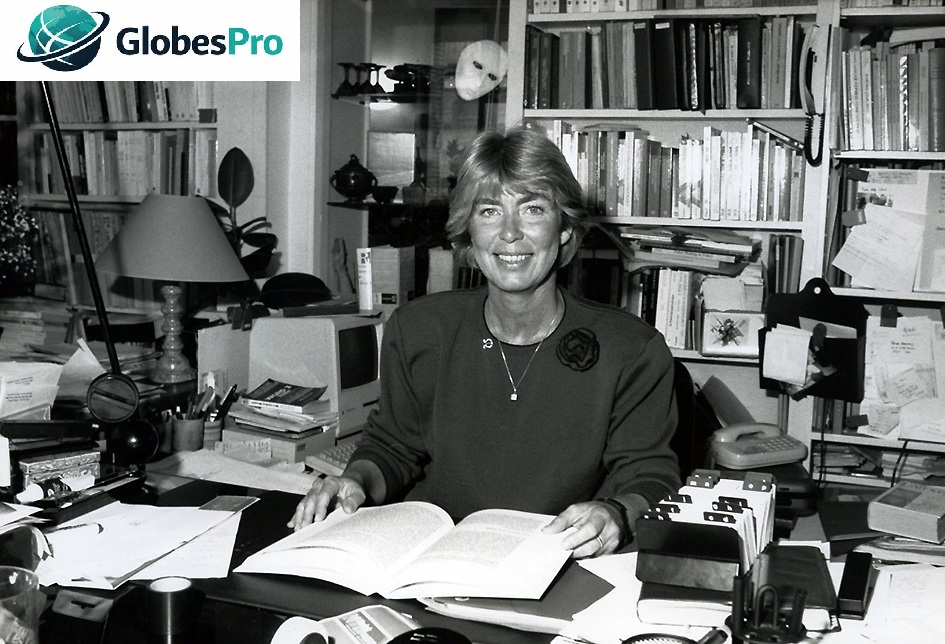
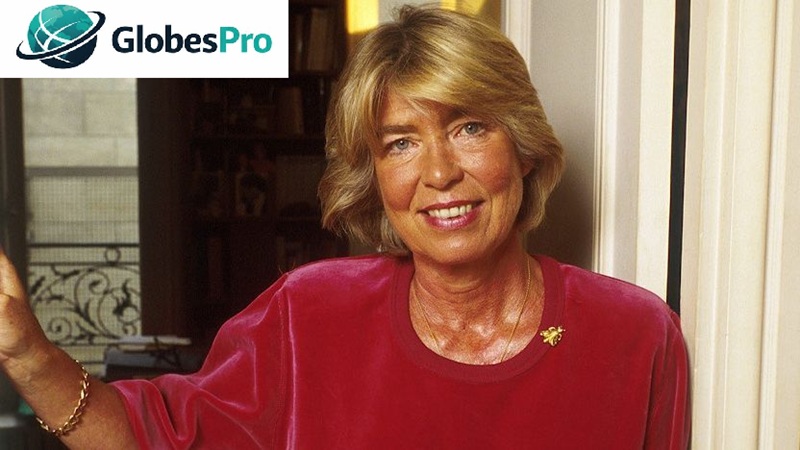
Evelyne Pisier was a distinguished French professor of constitutional law, novelist, and former actress who lived one of the most fascinating intellectual lives of 20th century France, combining rigorous academic scholarship with romantic involvement with Fidel Castro in the 1960s, a film career, literary accomplishments, and a relationship with politician Bernard Kouchner that produced a son. Born on October 18, 1941, in Indochina (now Vietnam) where her father served as a colonial administrator, she grew up in New Caledonia before moving to mainland France for her education, eventually becoming a prominent professor at Paris-Dauphine University where she taught constitutional law and political science for decades while also writing novels that drew on her extraordinary life experiences.

Her early romantic relationship with Cuban revolutionary leader Fidel Castro, which began when she visited Cuba as a young leftist intellectual in the 1960s, became one of the most intriguing aspects of her biography and something she later explored in her semi-autobiographical novel. This connection to one of the 20th century’s most controversial political figures was just one chapter in a life that encompassed academic excellence, creative pursuits in film and literature, and deep engagement with French political and intellectual circles.

Personal Information Details
Full Name Evelyne Pisier
Date of Birth October 18, 1941
Place of Birth Indochina (French colonial Vietnam)
Date of Death February 9, 2017
Age at Death 75 years old
Childhood Raised in New Caledonia
Education University in France, doctorate in law
Primary Career Professor of Constitutional Law
Institution Paris-Dauphine University
Academic Focus Constitutional theory, political science
Film Career Actress in 1960s-1970s
Literary Career Novelist, published multiple books
Famous Relationship Fidel Castro (1960s)
Later Partner Bernard Kouchner (politician, humanitarian)
Children Antoine Kouchner (son with Bernard Kouchner)
Sister Marie-France Pisier (celebrated actress, 1944-2011)
Notable Novel “Les Antillais” (about relationship with Castro)
Legacy Contributions to French legal scholarship and literature

Evelyne Pisier was also the sister of Marie-France Pisier, one of France’s most beloved actresses who appeared in François Truffaut films and became a major star of French cinema. The Pisier sisters represented a family of accomplished, cultured women who left indelible marks on French intellectual and cultural life, with Evelyne choosing the path of academia and literature while Marie-France pursued acting stardom.

Throughout her 75 years, Evelyne embodied the engaged French intellectual—someone who combined rigorous scholarship with political commitment, personal relationships with historical figures, and creative expression through both academic writing and fiction. Her death in 2017 marked the loss of a unique voice in French intellectual life and closed a chapter on a generation of thinkers who had witnessed France’s transformation from colonial power to modern republic.

Colonial Childhood in Indochina and New Caledonia

Evelyne Pisier was born in Indochina in 1941, during the height of French colonial rule in Southeast Asia and just as World War II was spreading to the Pacific. Her father was a colonial administrator, part of the French bureaucracy that governed the empire’s far-flung territories.

The family later moved to New Caledonia, a French territory in the South Pacific, where Evelyne spent much of her childhood. Growing up in these colonial settings gave her a unique perspective on French identity, power, and the relationship between metropole and colony that would later inform her political and academic thinking.

Life in the colonies during this era meant experiencing a very different France than that of the mainland—one where racial hierarchies were explicit, where French culture was imposed on indigenous populations, and where the contradictions of republican values and colonial domination were impossible to ignore.

Early Life Context

Period Location Significance
1941 Born in Indochina French colonial administration family
1940s-1950s New Caledonia Childhood in South Pacific French territory
Late 1950s Move to mainland France Education and cultural shift
Early 1960s University studies Intellectual formation, leftist politics

This colonial upbringing during the twilight of the French Empire shaped Evelyne’s later political consciousness. Many intellectuals of her generation who grew up in the colonies developed critiques of colonialism and imperialism that informed their leftist politics in the 1960s and beyond.

Education and Intellectual Formation

Evelyne moved to mainland France for her higher education, pursuing studies in law and political science at a time when French universities were becoming centers of radical political thought. The early 1960s were years of ferment in French intellectual life, with decolonization, the Algerian War, and challenges to traditional power structures dominating discussions.

She excelled academically, eventually earning a doctorate in law and beginning her career as a professor. Her intellectual formation occurred in the context of debates about constitutionalism, democracy, power, and revolution that characterized French political philosophy in this era.

The universities where she studied and later taught were not just places of abstract scholarship but sites of political engagement, where professors and students debated the great questions of the age: What is legitimate power? How should democracies be structured? What obligations do citizens have to resist unjust authority?

The Castro Affair: Romance with a Revolutionary

The most sensational aspect of Evelyne Pisier’s biography is her romantic relationship with Fidel Castro, which began when she visited Cuba in the mid-1960s as a young leftist intellectual fascinated by the Cuban Revolution.

Castro, who had come to power in 1959 after overthrowing dictator Fulgencio Batista, was at that time a romantic figure for many young leftists worldwide. Cuba represented an alternative to both American capitalism and Soviet-style communism, and Castro himself—bearded, charismatic, defiant of American power—embodied revolutionary possibility.

Evelyne was among many Western intellectuals who traveled to Cuba to witness the revolution firsthand. However, her visit resulted in something few could claim: a personal relationship with Castro himself. The affair was passionate but ultimately brief, as Evelyne returned to France and Castro remained committed to his revolution and his island.

The Castro Relationship

Aspect Details Later Impact
Timeframe Mid-1960s Brief but significant period
Context Cuban Revolution, leftist solidarity Part of larger political engagement
Nature Romantic relationship Personal and political dimensions
Ending Evelyne’s return to France Relationship didn’t continue
Later reflection Novel “Les Antillais” Literary exploration of experience
Historical significance Connection to major 20th century figure Added to her fascinating biography

Decades later, Evelyne wrote about this relationship in her novel “Les Antillais,” exploring both the personal dimensions of the affair and its political and historical context. The book revealed intimate details about her time with Castro while also reflecting on the naiveté and romanticism of Western leftists toward Third World revolutions.

Evelyne Pisier

Academic Career in Constitutional Law

Evelyne Pisier’s primary professional identity was as a professor of constitutional law and political science at Paris-Dauphine University, where she taught for decades. Her academic work focused on constitutional theory, the relationship between law and political power, and questions about democratic governance.

Constitutional law is a field that sits at the intersection of legal scholarship, political philosophy, and practical governance. Professors in this field analyze how constitutions structure power, protect rights, enable democratic participation, and constrain government authority.

Evelyne’s scholarship contributed to French debates about these fundamental questions. Her work was respected by colleagues and students, establishing her as a serious academic beyond her more sensational biographical details.

Teaching at a major Parisian university gave her influence over generations of law students, some of whom would go on to careers in government, judiciary, legal practice, and academia themselves. Her classroom was a place where constitutional theory met real-world political questions about French governance and democracy.

Academic Contributions

Area Focus Impact
Constitutional Law Theory and practice Scholarly publications
Political Science Power and governance Teaching generations of students
Public Intellectual Work Commentary on French politics Contributing to public discourse
Mentorship Graduate students Shaping next generation of scholars

Her academic work was rigorous and substantial, even if it received less public attention than her novels or her relationship with Castro. She was a serious scholar who contributed meaningfully to her field over a long career.

Film Career and Artistic Expression

Before fully committing to academia, Evelyne had a brief career as an actress in French cinema during the 1960s and early 1970s. She appeared in several films, working with notable directors during a golden age of French cinema.

While her film career never reached the heights achieved by her younger sister Marie-France, Evelyne’s time in cinema demonstrated her creative interests and willingness to explore different modes of expression beyond academic scholarship. Film allowed her to engage with art, narrative, and performance in ways that complemented her intellectual work.

This artistic dimension of her life reflects the French intellectual tradition of crossing boundaries between academic, artistic, and political work. Many French thinkers of her generation saw no contradiction between being a professor and an artist, viewing both as forms of engagement with culture and society.

Literary Work and Novels

Later in life, Evelyne Pisier turned to writing fiction, publishing several novels that drew on her experiences and intellectual interests. Her most notable novel, “Les Antillais,” explored her relationship with Fidel Castro and her experiences in Cuba, blending autobiography with fiction to create a narrative about romance, revolution, and disillusionment.

Writing novels allowed Evelyne to process her experiences in ways that academic work could not. Fiction provided freedom to explore emotional truths, ambiguities, and complexities that might be out of place in scholarly writing about constitutional law.

Her novels received attention both for their literary merit and for the insider perspective they offered on historical events and figures. Readers were fascinated by her firsthand accounts of revolutionary Cuba and her relationship with Castro, even as critics assessed the books’ literary qualities.

Literary Output

Work Theme Significance
“Les Antillais” Relationship with Castro, Cuban Revolution Most famous novel, autobiographical elements
Other novels Various topics from her experiences Continued literary expression
Essays and commentary Political and cultural topics Public intellectual work

Writing also allowed her to reach audiences beyond the academic world. While her scholarly work was read by specialists, her novels could be read by anyone interested in her fascinating life and the historical events she witnessed.

Relationship with Bernard Kouchner

Evelyne’s relationship with Bernard Kouchner, the prominent French politician and humanitarian who co-founded Doctors Without Borders, produced a son, Antoine Kouchner. Bernard and Evelyne’s partnership brought together two significant French intellectual and political figures.

Both were strong personalities with demanding careers and deep commitments to their work. Bernard’s humanitarian activities and later political career required extensive travel and public engagement, while Evelyne’s academic career and writing demanded focus and dedication.

The relationship eventually ended, with both moving on to other partnerships. Bernard later entered a long-term relationship with journalist Christine Ockrent, while Evelyne continued her academic and literary work. Despite the relationship’s end, they shared responsibility for raising their son Antoine.

The Pisier Sisters

Evelyne’s younger sister Marie-France Pisier became one of France’s most celebrated actresses, appearing in over 100 films including works by François Truffaut, one of the French New Wave’s defining directors. Marie-France’s beauty, talent, and screen presence made her a star of French cinema.

The Pisier sisters represented different paths within French cultural life—Evelyne choosing academia and literature, Marie-France choosing acting—yet both achieved distinction in their respective fields and both contributed to French culture in significant ways.

Marie-France’s tragic death in 2011, found dead in her swimming pool at age 66, was a devastating loss for Evelyne. The sisters had maintained a close relationship throughout their lives, and losing her younger sister was profoundly painful.

The Pisier Family Legacy

Family Member Field Achievement
Evelyne Pisier Law, literature Professor, novelist
Marie-France Pisier Acting Major film star
Combined legacy French culture Two accomplished sisters

Their father’s career as a colonial administrator and their upbringing in France’s overseas territories gave both sisters a perspective on French identity and power that informed their adult work, whether in Evelyne’s political thinking or Marie-France’s choice of roles.

Later Years and Death

Evelyne Pisier continued teaching, writing, and contributing to public discourse well into her seventies. She remained intellectually engaged, publishing books and offering commentary on French politics and society from the perspective of someone who had witnessed enormous changes over her lifetime.

She died on February 9, 2017, at age 75. Her death marked the passing of a generation of French intellectuals who had come of age during decolonization, lived through the upheavals of the 1960s, and spent decades shaping French thought about law, politics, and society.

Her obituaries in French media celebrated her multifaceted life—her academic contributions, her novels, her relationship with Castro, her role as sister to Marie-France, and her place in French intellectual history.

Legacy and Historical Significance

Evelyne Pisier left multiple legacies. In academia, she contributed to French constitutional law scholarship and taught generations of students. In literature, she wrote novels that explored personal and political themes with insight and honesty. In the public imagination, she remains a fascinating figure whose life intersected with major historical currents and figures.

Her willingness to write openly about her relationship with Castro, at a time when many former leftists preferred to forget their revolutionary enthusiasms, demonstrated intellectual honesty and courage. She didn’t hide her past or pretend it didn’t happen, but reflected on it critically while acknowledging its significance in her life.

The combination of rigorous scholarship and romantic adventure, academic achievement and artistic expression, private relationships and public engagement makes her life story remarkable and distinctly French in its refusal to separate these different dimensions of human experience.

Conclusion

Evelyne Pisier lived an extraordinary life that encompassed colonial childhood in Indochina and New Caledonia, a romantic relationship with Fidel Castro in revolutionary Cuba, a distinguished career as a professor of constitutional law at Paris-Dauphine University, creative work as both an actress and novelist, and partnership with humanitarian politician Bernard Kouchner with whom she had a son. Born in 1941 and dying in 2017, she witnessed and participated in many of the major transformations of 20th century France including decolonization, the political upheavals of the 1960s, the evolution of French constitutional democracy, and the shifting terrain of intellectual life. Her willingness to write candidly about her experiences, particularly her relationship with Castro in her novel “Les Antillais,” combined with her serious scholarly contributions to constitutional law, made her a unique figure in French intellectual life—someone who refused to separate personal experience from political engagement or academic rigor from creative expression. As the sister of beloved actress Marie-France Pisier,

Evelyne Pisier was part of a remarkable family that contributed significantly to French culture, and her death in 2017 marked the loss of a voice that had witnessed history firsthand and reflected on it with intelligence, honesty, and literary skill throughout a life as intellectually rich as it was romantically fascinating.

Antoine Kouchner is the son of Bernard Kouchner, the French politician and co-founder of Doctors Without Borders who served as France’s Minister of Foreign Affairs from 2007 to 2010, and Evelyne Pisier, the late French academic, novelist, and actress who was a prominent intellectual figure in France until her death in 2017. Born in the 1980s into a family deeply embedded in French political and intellectual life, Antoine represents the next generation of a lineage that includes not just his famous parents but also his aunt Marie-France Pisier, a celebrated French actress.

Unlike many children of famous politicians and intellectuals who leverage their family connections for careers in public life, academia, or entertainment, Antoine has maintained a remarkably low public profile. His deliberate distance from the spotlight stands in contrast to the very public careers of both his parents, who spent decades in the French and international public eye through politics, academia, literature, and humanitarian work.

Personal Information Details
Full Name Antoine Kouchner
Date of Birth 1980s (exact date not publicly confirmed)
Age Approximately late 30s to early 40s
Place of Birth France
Father Bernard Kouchner (politician, doctor, humanitarian)
Mother Evelyne Pisier (academic, novelist, actress) (1941-2017)
Mother’s Death February 9, 2017
Parents’ Relationship Partners, later separated
Notable Aunt Marie-France Pisier (actress, deceased 2011)
Half-Siblings From father’s other relationships
Nationality French
Known For Son of Bernard Kouchner and Evelyne Pisier
Public Profile Extremely minimal, maintains privacy
Career Not publicly disclosed
Social Media Presence No verified public accounts
Current Residence Believed to be France

Despite this extraordinary family background and the opportunities it could have provided, Antoine has successfully avoided the media attention that might have defined someone else in his position. Growing up as the child of two of France’s most intellectually accomplished public figures meant experiencing a childhood shaped by political engagement, academic rigor, and cultural sophistication, yet choosing a path away from public recognition.

This choice to remain private, whether motivated by personal preference, the desire to forge his own identity, or simply different values than those that drove his parents’ public careers, has made Antoine a cipher—known primarily through his connection to his famous parents rather than any independent public identity.

Bernard Kouchner: The Humanitarian Father

Bernard Kouchner, Antoine’s father, is one of France’s most prominent political and humanitarian figures of the past half-century. Born in 1939 in Avignon to a Jewish family, Bernard trained as a physician and became deeply involved in humanitarian work during the Biafran War in Nigeria in the late 1960s.

His experiences in Biafra, witnessing mass starvation and the limitations of traditional Red Cross neutrality, led him to co-found Médecins Sans Frontières (Doctors Without Borders) in 1971 alongside other French doctors. This organization revolutionized humanitarian assistance by advocating for the right to intervene in crisis situations and speaking publicly about atrocities rather than maintaining silence—a concept known as “témoignage” or bearing witness.

Bernard’s work with MSF and later with Médecins du Monde (which he founded in 1980 after leaving MSF) established him as a major figure in international humanitarian circles. His political career was equally notable, serving in various ministerial positions under both left and right-wing French governments, demonstrating a pragmatic approach focused on humanitarian concerns rather than strict ideological loyalty.

Bernard Kouchner’s Career Timeline

Period Position/Achievement Significance
1971 Co-founded Médecins Sans Frontières Revolutionary humanitarian organization
1980 Founded Médecins du Monde Continued humanitarian innovation
1988-1993 Minister of Health and Humanitarian Action First major government position
1997-1999 Minister of Health Return to government
1999-2001 UN Special Representative in Kosovo International diplomatic role
2001-2002 Minister of Health Third term in health ministry
2007-2010 Minister of Foreign Affairs Peak political position
Throughout Author, speaker, humanitarian advocate Public intellectual

His appointment as Foreign Minister by conservative President Nicolas Sarkozy in 2007, despite Bernard’s leftist background, was controversial but reflected his reputation as someone who put humanitarian principles above party politics. For Antoine, having such a father meant growing up with someone frequently in the news, traveling to crisis zones, and involved in major world events.

Evelyne Pisier: The Intellectual Mother

Antoine’s mother, Evelyne Pisier, was a formidable intellectual figure in her own right. Born on October 18, 1941, in Indochina (present-day Vietnam) where her father was stationed as a colonial administrator, Evelyne grew up in New Caledonia before moving to mainland France for her education.

She became a distinguished professor of constitutional law and political science, teaching at Paris-Dauphine University for decades. Her academic work focused on constitutional theory, political philosophy, and the relationship between law and power. She was a respected scholar whose work contributed significantly to French legal and political thought.

Beyond academia, Evelyne had a multifaceted career that included acting and writing novels. In her youth, she appeared in several films, including working with renowned directors. Later in life, she turned to writing fiction, publishing novels that drew on her experiences and intellectual interests.

Evelyne Pisier’s Multifaceted Career

Field Activity Period
Academia Professor of Constitutional Law 1970s-2000s
Film Actress in several films 1960s-1970s
Literature Novelist, published multiple books 2000s-2010s
Public Intellectual Commentary on politics and law Throughout career
Family Legacy Sister of actress Marie-France Pisier Lifelong

Evelyne’s personal life was as complex as her professional accomplishments. Before her relationship with Bernard Kouchner, she had been romantically involved with Fidel Castro in the 1960s during a visit to Cuba—a relationship she later wrote about in her novel “Les Antillais.” This connection to one of the 20th century’s most controversial political figures added another layer to her fascinating biography.

Her sister, Marie-France Pisier, was a celebrated French actress who appeared in numerous films including François Truffaut’s works. The Pisier sisters represented a family of accomplished, cultured women who made significant marks on French cultural and intellectual life.

The Kouchner-Pisier Relationship

Bernard Kouchner and Evelyne Pisier’s relationship brought together two powerful French intellectual and political figures. Their partnership produced Antoine, though the exact timeline of their relationship and its eventual end are not extensively documented in public sources.

Both Bernard and Evelyne were strong personalities with demanding careers, complex personal histories, and deep commitments to their work. Bernard’s humanitarian and political activities required extensive travel and time, while Evelyne’s academic career and writing demanded focus and dedication.

The relationship eventually ended, with both moving on to other partnerships. Bernard later entered a long-term relationship with Christine Ockrent, the prominent Belgian-French journalist, though they never married. Evelyne continued her academic and literary work.

For Antoine, being the child of this particular union meant inheriting a complex family history that included not just his parents’ accomplishments but also his mother’s past relationship with Fidel Castro, his father’s multiple marriages and relationships, and the broader intellectual and political circles in which both his parents moved.

Growing Up in an Intellectual Powerhouse Family

Antoine Kouchner grew up in an environment saturated with intellectual discourse, political engagement, and cultural sophistication. Family conversations likely involved constitutional law, international humanitarian crises, political philosophy, and current events. His parents’ friends and colleagues probably included politicians, academics, writers, and international figures.

This upbringing would have provided extraordinary educational opportunities and exposure to ideas and people that most French children never encounter. However, it also came with unique pressures—living up to accomplished parents, navigating their public profiles, and finding his own identity amid such powerful family legacies.

Antoine Kouchner

Antoine’s Family Environment

Influence Source Impact
Humanitarian values Father’s MSF work Exposure to global issues
Political engagement Father’s ministerial roles Understanding of government
Intellectual rigor Mother’s academic career High educational standards
Cultural sophistication Both parents Broad cultural literacy
Public scrutiny Parents’ fame Privacy challenges
Complex family dynamics Parents’ separation, half-siblings Navigating relationships

The pressure of having parents who had both achieved so much in their respective fields cannot be understated. Bernard was internationally known for essentially inventing modern humanitarian intervention. Evelyne was a respected legal scholar and novelist. These are not easy acts to follow.

The Death of Evelyne Pisier

On February 9, 2017, Evelyne Pisier died at age 75. Her death was a loss not just for her family but for French intellectual life. She had continued writing and contributing to public discourse until late in her life.

For Antoine, losing his mother meant losing the person who had raised him and shaped his early life. The grief of such a loss is profound under any circumstances, but when that parent is a public figure, even the mourning process can become partially public.

Evelyne’s death also meant the loss of a connection to a particular era of French intellectual and political life. She had witnessed and participated in major transformations in French society, law, and culture over her 75 years.

The Extended Kouchner Family

Antoine is not Bernard Kouchner’s only child. Bernard has been married multiple times and has other children from previous relationships, giving Antoine several half-siblings. This complex family structure creates additional dynamics that Antoine has had to navigate throughout his life.

Bernard’s various relationships over the decades mean that Antoine’s experience of family likely involves connections with half-siblings he may or may not be close to, depending on age differences, geographical proximity, and family dynamics. How these various family members interact and maintain relationships is not publicly documented.

The Privacy Choice

The most striking aspect of Antoine Kouchner’s adult life is his successful maintenance of privacy despite having parents who were both prominent public figures. In an era of social media and constant connectivity, choosing privacy requires deliberate effort.

Antoine does not appear to have public social media accounts. He is rarely if ever photographed at public events. Details about his education, career, romantic life, and current activities remain unknown. This level of privacy is increasingly rare and suggests either strong personal preference or protective strategies developed during his upbringing.

Privacy in the Digital Age

Challenge Antoine’s Apparent Approach
Social media pressure No verified public accounts
Media interest in famous families Avoids public events and interviews
Professional networking visibility Career not publicly disclosed
Curiosity about private life Maintains boundaries successfully

This privacy is particularly notable given that his father Bernard continues to be active in public life even in his eighties, and that his late mother Evelyne was a public intellectual whose work and life were matters of public interest.

Possible Life Paths

Without public information about Antoine’s choices, we can only speculate about his career and life:

He might have followed his mother into academia, pursuing research and teaching in law, political science, or related fields while maintaining privacy that academic life can afford.

Antoine could have followed his father’s humanitarian interests, working for NGOs or international organizations in roles that don’t require public visibility.

He might have deliberately chosen a career entirely unrelated to his parents’ work—business, technology, creative fields—to establish an independent identity.

Antoine could be involved in public service or policy work behind the scenes, contributing to causes without seeking personal recognition.

Legacy and Identity

Antoine Kouchner carries a complex legacy. His father revolutionized humanitarian action and served at the highest levels of French government. His mother was a distinguished legal scholar and novelist who lived a remarkable life including a relationship with Fidel Castro.

How Antoine chooses to relate to this legacy—whether by honoring it through similar work, deliberately pursuing different paths, or simply living his own life without reference to his parents’ accomplishments—remains his private decision.

The question of legacy is particularly poignant given his mother’s death. With Evelyne gone and Bernard now in his mid-eighties, Antoine represents the continuation of this intellectual and political lineage, though whether he embraces that role publicly remains to be seen.

Conclusion

Antoine Kouchner represents an increasingly rare phenomenon—a child of extremely famous, powerful parents who has successfully maintained privacy and avoided public attention despite growing up at the intersection of French politics, humanitarianism, and media. As the son of Bernard Kouchner, the doctor who co-founded Médecins Sans Frontières and served as France’s Foreign Minister, and Christine Ockrent, one of France’s most prominent television journalists, Antoine grew up in a household with extraordinary access to political power, international affairs, and media influence. Yet unlike many children of celebrities who leverage family connections for their own public careers or become famous simply through association, Antoine has chosen a path of privacy so complete that basic details about his adult life, career, and personal circumstances remain unknown to the public.

As Antoine Kouchner lives his life away from the cameras and publicity that have defined his parents’ careers, he demonstrates that it is possible to be connected to fame and power while maintaining boundaries that protect privacy and allow for identity development independent of family legacy, though whether this privacy represents personal preference, protective parenting, or simply different values than those driving his parents’ public lives remains as mysterious as most other aspects of his deliberately private existence.

Cicely Johnston is a former American model and airline stewardess best known as the devoted wife of actor and ordained minister Demond Wilson, who gained fame portraying Lamont Sanford on the iconic 1970s NBC sitcom “Sanford and Son.” Born in 1945 in Palm Springs, California, Cicely entered the modeling industry during the 1970s when opportunities for African-American women in fashion were limited, carving out a career that included appearances in fashion shows and a small role in the 1974 Jonathan Demme film “Caged Heat” before choosing to step away from the entertainment industry to focus on family life. On May 3, 1974, she married Demond Wilson in a private, low-key ceremony with only close friends and family present, beginning a marriage that has now lasted over 50 years—a remarkable achievement in an era when celebrity marriages often dissolve quickly, and particularly impressive given the significant challenges the couple faced including Demond’s struggles with substance abuse, reported infidelity, and the pressures of Hollywood fame.

Throughout her life, Cicely Johnston has embodied quiet strength, unwavering faith, and dedication to family, raising six children—Christopher, Demond Jr., Louise, Sarah, Nicole, and Melissa—while supporting her husband through his dramatic career transformation from sitcom star to Christian minister and author. Unlike many celebrity spouses who seek their own public platforms, Cicely has consistently chosen privacy over publicity, maintaining a low profile even as her husband remains a recognizable figure in both entertainment and Christian ministry circles. Her story represents the often-invisible contributions of partners who provide the emotional foundation, family stability, and spiritual support that enable public figures to navigate career pressures and personal crises, demonstrating that true strength often manifests not through seeking attention but through the consistent, daily acts of love, forgiveness, and commitment that sustain relationships through decades of change and challenge.

Personal Information Details
Full Name Cicely Louise Johnston Wilson
Date of Birth 1945 (specific date undisclosed)
Birthplace Palm Springs, California, USA
Age 79-80 years old (as of 2024-2025)
Nationality American
Ethnicity African-American
Religion Christianity
Occupation Former Model, Former Airline Stewardess
Film Appearance “Caged Heat” (1974, uncredited role)
Spouse Demond Wilson (married May 3, 1974)
Marriage Duration Over 50 years
Children Six (Christopher, Demond Jr., Louise, Sarah, Nicole, Melissa)
Grandchildren Three (minimum reported)
Estimated Net Worth $300,000-$500,000
Current Residence Palm Springs, California
Notable Quality Devotion to family, faith, and privacy

Early Life and Formative Years

Cicely Johnston was born in 1945 in Palm Springs, California, entering a world where African-American communities were navigating the post-World War II era with its complex racial dynamics, economic challenges, and cultural pride. Growing up in the 1940s and 1950s in an African-American community meant experiencing both the warmth of tight-knit cultural bonds and the harsh realities of segregation and limited opportunities.

Details about Cicely’s childhood, parents, and siblings remain largely unknown as she has consistently maintained privacy around her family background. This discretion reflects values instilled during her upbringing—a belief that not everything needs to be shared publicly and that family matters should remain private regardless of one’s connection to public figures.

Her early environment likely emphasized family values, faith, resilience, and the importance of community—characteristics that would later define her approach to marriage and motherhood. The era in which she came of age shaped perspectives on commitment, sacrifice, and the role of women in supporting their families, values that Cicely would carry throughout her life.

From Airline Stewardess to Model

Before entering the modeling world, Cicely Johnston worked as an airline stewardess, a profession that during the 1960s and early 1970s required specific physical standards, professional demeanor, and customer service excellence. The role provided steady income while allowing her to travel and experience different places and cultures, broadening her worldview beyond her California roots.

Her transition from airline stewardess to modeling occurred during a transformative period for African-American representation in fashion and entertainment. The 1970s saw gradual increases in opportunities for Black models, though the industry remained predominantly white and often resistant to diversity. Cicely’s ability to build a modeling career during this era demonstrated both her physical beauty and her determination to succeed in a field with significant barriers.

As a model in the 1970s, Cicely would have experienced the era’s distinctive fashion aesthetics—bold patterns, bright colors, natural hairstyles celebrating Black beauty, and the beginnings of more inclusive representation in fashion photography and runway shows. Her work contributed to the slow but important progress toward diversity in an industry that had long excluded people of color.

Brief Hollywood Experience

In 1974, Cicely had a small, uncredited role in “Caged Heat,” a women-in-prison exploitation film directed by Jonathan Demme, who would later become one of Hollywood’s most respected directors with films like “The Silence of the Lambs” and “Philadelphia.” While her role was minor and ultimately didn’t lead to a sustained acting career, it demonstrated her willingness to explore opportunities in entertainment.

The choice not to pursue acting further likely reflected both limited opportunities available to African-American women in Hollywood during that era and Cicely’s own assessment of where her priorities lay. Rather than struggling to build an acting career in an industry known for its fickleness and discrimination, she chose to focus on the relationship and family that would become her life’s central focus.

Meeting and Marrying Demond Wilson

Cicely met Demond Wilson in the early 1970s, just as his career was taking off with “Sanford and Son,” which premiered on NBC in January 1972. The show, co-starring Redd Foxx, became an instant hit and made Demond Wilson a household name as he portrayed Lamont Sanford, the long-suffering son trying to manage his cantankerous junk dealer father.

The couple’s connection was strong and genuine, leading to their marriage on May 3, 1974, in a deliberately private ceremony. True to the values they both shared, the wedding was small and intimate, with a strict “no press” rule ensuring that their special day remained personal rather than becoming a media spectacle. Despite their efforts at privacy, the marriage of a popular sitcom star still generated public interest, with their wedding photo appearing in newspapers.

At the time of their marriage, Demond was at the height of his “Sanford and Son” fame, which brought both financial success and the pressures of celebrity. Cicely entered this marriage understanding that her husband’s career would involve public attention, irregular schedules, and the unique stresses that come with working in television comedy.

Building a Large Family

Following their marriage, Cicely and Demond settled in Beverly Hills, living in an impressive 27-room mansion filled with antiques, reflecting the financial success Demond enjoyed from “Sanford and Son.” In this environment, they built their family, eventually welcoming six children—sons Christopher and Demond Jr., and daughters Louise, Sarah, Nicole, and Melissa.

Raising six children in any context requires extraordinary organizational skills, patience, and dedication. Doing so while married to a television star added additional complications—Demond’s work schedule, public recognition when the family went out, and the general disruption that fame brings to normal family life all created challenges that Cicely navigated while keeping her children grounded.

Among the Wilson children, Sarah has followed somewhat in her father’s footsteps, working as a writer and occasional actress. Christopher has been involved in sports including Little League baseball and soccer. The other children have maintained private lives, reflecting their mother’s values around privacy and the importance of defining oneself outside of parental fame.

Cicely’s approach to motherhood emphasized strong values, faith, and creating a loving home environment where children could develop their own identities despite their father’s celebrity. This deliberate focus on family over fame shaped the Wilson children’s upbringing and continues influencing how they approach their own lives.

The Dark Period: Infidelity, Depression, and Addiction

Despite the outward appearance of success and happiness, the Wilson marriage faced severe trials during the late 1970s and early 1980s. Demond has spoken candidly in interviews about this difficult period, revealing struggles that nearly destroyed their marriage and family.

According to Demond’s own accounts, he experienced deep depression despite his professional success. The demanding schedule of television production, the pressure to maintain popularity, and the emotional emptiness he felt despite financial abundance created internal turmoil. He told Consciousness Magazine: “I’d go home and tell my wife I didn’t want to be doing this; I kept hoping the money would make me happy. But the more I made, the more my life came apart. I was depressed; Cicely was depressed.”

The situation worsened when Cicely discovered that Demond had been unfaithful. The revelation devastated her, impacting her health so severely that she required hospitalization. The betrayal struck at the foundation of their marriage, testing whether the commitment they had made in 1974 could withstand such profound breach of trust.

Even more destructively, Demond turned to substance abuse, becoming addicted to heroin and reportedly spending $1,000 daily on cocaine. The addiction spiraled to the point where Demond later admitted he couldn’t even recognize his own wife and children. Cicely actually left him during this period, taking the children and separating from the marriage that had become toxic and dangerous.

Demond found himself isolated, unable to seek help from anyone, trapped in addiction and facing the complete destruction of everything he valued. The family stood on the brink of permanent dissolution, with divorce seeming inevitable.

Redemption Through Faith

What saved the Wilson marriage wasn’t willpower or professional success but a spiritual transformation. Both Demond and Cicely turned to Christian faith, finding in religious belief and practice the foundation to rebuild what had been destroyed by infidelity, addiction, and depression.

Demond has credited his wife with helping him find purpose beyond acting and navigate the most challenging period of his life. Her willingness to forgive, her decision to give their marriage another chance despite the profound hurt she experienced, and her commitment to the vows they had taken demonstrated extraordinary grace and strength.

The couple’s shared faith became the center of their renewed marriage. Demond eventually left acting to become an ordained minister, dedicating his life to ministry and helping troubled youth through his church work. Cicely fully supported this dramatic career change, even though it meant leaving behind the financial security and lifestyle that came with Demond’s entertainment career.

Their transformation from a Hollywood couple struggling with addiction and infidelity to a ministry-focused partnership committed to faith and service represents a remarkable redemption story. The fact that they not only survived these challenges but emerged with a stronger marriage speaks to the depth of their commitment and the power of forgiveness and faith in rebuilding broken relationships.

Life in Ministry

As Demond transitioned from actor to minister and Christian author, Cicely’s role evolved from Hollywood wife to minister’s wife—a position requiring different skills and commitments. Ministers’ wives often provide crucial support for their husbands’ ministry work while maintaining homes and families, a role Cicely embraced fully.

Demond has written multiple Christian books addressing topics including the New Age Movement and its perceived dangers to society. His memoir “Second Banana: The Bittersweet Memoirs of the Sanford & Son Years,” published in 2009, candidly addressed his time on the sitcom, his relationship with Redd Foxx, and the personal struggles he faced during that period. Throughout his writing and ministry career, Cicely has provided the stable home foundation that allows Demond to focus on his work.

The couple has devoted significant time to their church and to working with troubled youth, using Demond’s own experiences with addiction and Cicely’s experiences with forgiveness and rebuilding broken trust as testimony to help others facing similar struggles. Their ministry approach emphasizes that redemption is possible, that marriages can survive even profound betrayals, and that faith provides resources for healing that secular approaches cannot match.

Commitment to Privacy and Family Values

Throughout over 50 years of marriage to a public figure, Cicely Johnston has maintained remarkable consistency in her commitment to privacy. She has no public social media presence, rarely gives interviews, and avoids the celebrity events and red carpets she could easily access as Demond Wilson’s wife.

This privacy isn’t born of shyness or inability to handle public attention but from deeply held values about what matters. For Cicely, true wealth and success are found in family bonds, faith commitments, and personal integrity rather than public recognition or material display. While her husband’s estimated net worth of $1.5 million and her own estimated net worth of $300,000-$500,000 provide financial security, the Wilsons have chosen a relatively modest lifestyle focused on faith and family rather than ostentatious display.

Their decision to settle in Palm Springs, California—away from the Hollywood spotlight—reinforces their commitment to living according to their values rather than seeking continued connection to the entertainment industry that once defined Demond’s identity.

Grandmotherhood and Later Life

Now in her late seventies, Cicely has entered the grandparent stage of life, with at least three grandchildren reported in the family. This new role allows her to share the wisdom gained through decades of marriage, motherhood, and navigating life’s challenges with a younger generation.

The Wilsons’ marriage, now spanning over five decades, stands as a powerful testimony to commitment, forgiveness, and the possibility of redemption. In an era when marriages frequently dissolve at the first major challenge, their ability to not only survive but thrive after experiencing infidelity, addiction, depression, and separation demonstrates that with faith, commitment, and genuine forgiveness, even relationships that seem irreparably broken can be restored.

Legacy and Impact

While Cicely Johnston has never sought fame or recognition, her life story carries important lessons. She represents the countless spouses who provide the unseen foundation that enables public figures to function and succeed. Her willingness to forgive profound betrayal, her commitment to family even when it would have been easier to walk away, and her consistent prioritization of substance over style all offer counterexamples to contemporary culture’s emphasis on self-promotion and immediate gratification.

Her influence extends through her six children and grandchildren, passing forward values of faith, commitment, and family loyalty that will shape future generations. The stability and love she provided created the environment where her children could develop into productive adults, and her example of forgiveness modeled for them how to navigate relationship challenges with grace rather than bitterness.

Conclusion

The life of Cicely Johnston represents quiet strength, unwavering commitment, and the transformative power of faith and forgiveness in sustaining relationships through profound challenges. From her early career as a model and airline stewardess to her more than 50-year marriage to actor-turned-minister Demond Wilson, Cicely has consistently chosen family, privacy, and faith over fame and public recognition. Her willingness to forgive her husband’s infidelity and addiction, to support his transformation from sitcom star to Christian minister, and to raise six children while maintaining the family foundation through decades of change demonstrates the kind of enduring strength that rarely receives public recognition but makes all the difference in building lives of genuine meaning and lasting impact.

As Cicely Johnston continues her life in Palm Springs with Demond, now both in their late seventies and surrounded by children and grandchildren, their marriage stands as a powerful testament to commitment, redemption, and the understanding that true success in life is measured not by fame or wealth but by the depth of our relationships, the consistency of our values, and our willingness to extend grace to those we love even when they fail us profoundly, proving that with faith and determination, broken relationships can be restored and become even stronger than they were before the breaking occurred.

John Mellencamp stands as one of America’s most authentic and enduring rock musicians, a singer-songwriter whose five-decade career has chronicled the struggles, dreams, and realities of working-class life with unflinching honesty and poetic grace. Born John J. Mellencamp on October 7, 1951, in Seymour, Indiana, he emerged from the American heartland to become the defining voice of small-town existence, crafting songs that resonate with universal themes of love, loss, perseverance, and the dignity of ordinary people. With classic hits including “Jack & Diane,” “Small Town,” “Pink Houses,” “Hurts So Good,” and “R.O.C.K. in the U.S.A.,” Mellencamp has sold over 40 million albums worldwide while maintaining artistic integrity and refusing to compromise his vision for commercial considerations.

Throughout his remarkable journey, John Mellencamp has transcended the typical boundaries of rock stardom to become a cultural chronicler, painter, actor, and social activist whose influence extends far beyond music. His sound—a distinctive blend of rock and roll, folk, and country that came to be known as heartland rock—captured the essence of Middle America during the 1980s and continues to speak to new generations discovering the power of his storytelling. Beyond commercial success, Mellencamp has earned respect as an artist who stayed true to his roots, never abandoning the small-town Indiana values that shaped him, and consistently using his platform to address social issues including farm crisis awareness, racial equality, and economic justice for working Americans.

Personal Information Details
Birth Name John J. Mellencamp
Born October 7, 1951
Birthplace Seymour, Indiana, United States
Age 73 years old (as of 2024)
Genres Rock, Heartland Rock, Folk Rock, Americana
Occupations Singer, Songwriter, Musician, Painter, Actor
Years Active 1976–present
Record Labels Various including Mercury, Columbia, Republic
Notable Albums “American Fool,” “Scarecrow,” “The Lonesome Jubilee”
Major Hits “Jack & Diane,” “Small Town,” “Pink Houses,” “Hurts So Good”
Awards Grammy Winner, Rock and Roll Hall of Fame Inductee (2008)
Instruments Vocals, Guitar, Harmonica

The Indiana Roots That Shaped a Legend

Seymour, Indiana, wasn’t just where John Mellencamp was born—it became the spiritual and creative foundation for everything he would accomplish. Growing up in this small town of roughly 15,000 people during the 1950s and 1960s meant experiencing an America that was rapidly changing yet still clinging to traditional values. The town’s working-class character, its main streets and diners, its struggles and simple pleasures, would later populate Mellencamp’s songs with an authenticity that couldn’t be manufactured in recording studios.

Mellencamp’s childhood was marked by a serious health challenge that would influence his perspective on life. Born with spina bifida, he underwent corrective surgery as an infant and spent significant time in the hospital during his early months. This brush with mortality and physical vulnerability may have contributed to the toughness and determination that characterized his later career, as well as the empathy for struggle that permeates his songwriting.

His teenage years followed a familiar pattern for rebellious young men in small Midwestern towns—playing in local bands, dreaming of escape, and feeling the tension between affection for home and the desire for something more. He formed his first band, Crepe Soul, during high school, beginning the musical education that would eventually lead him far from Indiana, though he would never truly leave it behind in spirit.

The Long Road to Authenticity

Mellencamp’s path to success was neither straight nor easy. After graduating from high school, he married his pregnant girlfriend Priscilla Esterline in 1970 at age 18, becoming a father shortly thereafter. The responsibility of young fatherhood could have ended his musical dreams, but instead, it fueled his determination to succeed.

In 1975, Mellencamp moved to New York City to pursue a recording contract. He encountered the harsh realities of the music industry when manager Tony DeFries insisted on changing his name to Johnny Cougar, believing it sounded more marketable. Mellencamp hated the name but felt powerless to resist, agreeing to the change as the price of opportunity. This decision would haunt him for years, as he spent much of the late 1970s and early 1980s trying to reclaim his identity and artistic control.

His early albums, released under the Johnny Cougar name, achieved modest success but didn’t reflect the artist he wanted to be. Songs were selected by others, production decisions were made without his input, and he felt like a puppet rather than an artist. The experience taught him invaluable lessons about the importance of creative control and staying true to artistic vision, lessons that would define his later career.

John Mellencamp

Breakthrough and the Fight for Identity

The commercial breakthrough came in 1982 with the album “American Fool,” featuring the megahits “Jack & Diane” and “Hurts So Good.” The album reached number one on the Billboard charts and sold millions of copies, making Mellencamp—still billed as John Cougar—a major star. However, success brought its own complications.

“Jack & Diane,” with its iconic opening and nostalgic tale of two American kids growing up in the heartland, became a cultural phenomenon. The song perfectly captured a moment and a feeling—the bittersweet recognition that youth and innocence don’t last, that life moves on whether we’re ready or not. Its universal appeal made it one of the defining songs of the 1980s and earned Mellencamp a Grammy nomination.

But even as he achieved the commercial success he’d worked toward, Mellencamp was fighting behind the scenes to reclaim his name and artistic direction. By 1983, he was performing as John Cougar Mellencamp, a transitional compromise that gradually reintroduced his real surname to audiences. The battle for identity became a metaphor for his larger artistic struggle—the tension between commercial expectations and authentic self-expression.

The Heartland Rock Pioneer

With albums like “Scarecrow” in 1985 and “The Lonesome Jubilee” in 1987, Mellencamp fully came into his own as an artist. These records showcased a mature songwriter addressing serious themes—the farm crisis devastating rural America, economic inequality, the dignity of working people, and the erosion of small-town values in an increasingly corporate world.

“Scarecrow” was particularly significant, arriving at a time when family farms across the Midwest were failing at alarming rates. Songs like “Small Town” and “Rain on the Scarecrow” spoke directly to this crisis, giving voice to people who felt forgotten by the broader culture. Mellencamp didn’t just write about these issues—he took action, co-founding Farm Aid with Willie Nelson and Neil Young in 1985, a benefit concert that continues annually to support family farmers.

“The Lonesome Jubilee” marked another evolution, incorporating fiddle, accordion, and other acoustic instruments that gave his rock sound a more folk and country flavor. This musical expansion reflected his deepening artistic confidence and his desire to connect his contemporary rock with older American musical traditions.

Artistic Maturity and Continued Evolution

Throughout the 1990s and 2000s, Mellencamp continued evolving as an artist. Albums like “Big Daddy,” “Whenever We Wanted,” and “Dance Naked” showed different facets of his creativity while maintaining the core honesty that defined his work. By this point, he had completely reclaimed his birth name, recording simply as John Mellencamp.

His willingness to experiment while staying rooted in his essential identity kept his music fresh. He explored different production techniques, collaborated with various musicians, and continued addressing contemporary issues through his songwriting. Songs tackled racism, political corruption, environmental destruction, and the ongoing struggles of working Americans.

Mellencamp also developed seriously as a painter, creating artwork that reflected similar themes to his music—American life, struggle, and resilience rendered in bold, expressive strokes. His paintings have been exhibited in galleries and museums, proving his artistic talents extended beyond music.

Personal Life and Relationships

Mellencamp’s personal life has been as eventful as his professional career. He has been married three times and has five children. His first marriage to Priscilla Esterline ended in divorce in 1981. He subsequently married Victoria Granucci in 1981, with whom he had two daughters before divorcing in 1989. His third marriage was to model Elaine Irwin from 1992 to 2011, and they had two sons together.

He has also had high-profile relationships, including a well-publicized on-and-off relationship with actress Meg Ryan in the 2010s. These personal experiences have influenced his songwriting, adding layers of emotional complexity to songs about love, loss, and human connection.

Despite the complications of multiple marriages and relationships in the public eye, Mellencamp has maintained close relationships with his children and has spoken about fatherhood as one of his most important roles.

Legacy and Hall of Fame Recognition

In 2008, John Mellencamp received one of music’s highest honors when he was inducted into the Rock and Roll Hall of Fame. The recognition acknowledged not just his commercial success but his significance as an American artist who captured something essential about the nation’s character and struggles.

His influence extends to countless artists who followed, particularly those working in Americana, heartland rock, and contemporary country music. Musicians from diverse genres cite Mellencamp as an influence, respecting his authenticity, his craftsmanship, and his refusal to compromise artistic vision for commercial gain.

Beyond individual artists, Mellencamp helped establish heartland rock as a legitimate genre, proving that music rooted in small-town American experience could achieve both critical respect and commercial success. He demonstrated that you didn’t need to abandon your origins or pretend to be something you weren’t to connect with audiences.

Social Activism and Political Engagement

Throughout his career, Mellencamp has used his platform to advocate for causes he believes in. Beyond co-founding Farm Aid, he has been involved in various social justice initiatives, spoken out on political issues, and consistently aligned himself with working-class Americans and those struggling against economic inequality.

His activism isn’t separate from his music—it flows from the same values and concerns that inspire his songwriting. Songs like “Pink Houses,” with its ironic commentary on American inequality beneath the veneer of opportunity, show how his political consciousness integrates seamlessly with his artistic expression.

He has never shied from controversy, speaking his mind on political matters even when it might alienate some fans. This integrity, this refusal to stay silent on issues that matter, commands respect even from those who disagree with his positions.

Recent Work and Continued Relevance

Even in his seventies, Mellencamp continues creating and performing. Recent albums like “Sad Clowns & Hillbillies” and “Strictly a One-Eyed Jack” show an artist still engaged with contemporary America, still finding new ways to express timeless themes. His voice has deepened and roughened with age, adding gravitas to his delivery and making even newer songs feel weathered and authentic.

He continues touring, bringing his classic hits and newer material to audiences who span multiple generations. Seeing Mellencamp perform live remains a powerful experience, connecting audiences to something fundamental about American identity and experience.

Conclusion

John Mellencamp represents something increasingly rare in contemporary music—an artist who achieved massive commercial success without sacrificing authenticity or abandoning the values and people who shaped him. From his early struggles under an imposed stage name to his emergence as one of America’s most respected songwriters, his journey mirrors the perseverance and dignity of the working-class Americans he has always championed in his music. His songs have become part of the American soundtrack, capturing moments and feelings that transcend their specific time and place to speak to universal human experiences.

As John Mellencamp continues creating and performing well into his eighth decade, his legacy as the voice of heartland America remains secure. He proved that small-town stories matter, that working-class struggles deserve artistic attention, and that staying true to yourself is not just possible but essential for creating work that endures. His music continues speaking to anyone who has ever felt caught between where they come from and where they’re going, anyone who recognizes that life’s greatest moments often happen in small towns and ordinary places, and anyone who believes that rock and roll can be both commercially successful and artistically meaningful without compromising either goal.

Isaac Hayden McHale is the eldest son of beloved comedian, actor, and television host Joel McHale and his wife Sarah Williams. Born in 2005, Isaac has grown up in the unique environment of Hollywood, where his father’s career has spanned from hosting the iconic pop culture commentary show “The Soup” to starring in the cult favorite sitcom “Community.” Despite being the child of a well-known entertainment figure, Isaac has largely remained out of the public spotlight, with his parents making deliberate choices to protect their children’s privacy and ensure they experience as normal a childhood as possible away from the glare of celebrity attention.

As the firstborn child in the McHale family, Isaac Hayden McHale holds a special place in what his father has often described as his greatest achievement—his family. Joel McHale, known for his sharp wit and comedic timing, has repeatedly emphasized in interviews that his role as a father surpasses any professional accomplishment. Isaac, now a young adult navigating his late teenage years, represents the next generation of the McHale family, growing up with values that blend his father’s Midwestern roots with the opportunities and challenges that come with being raised in Los Angeles by parents committed to keeping their children grounded despite the trappings of fame.

Personal Details Information
Full Name Isaac Hayden McHale
Year of Birth 2005
Age 18-19 years old (as of 2024)
Birthplace United States
Father Joel McHale (Actor, Comedian, TV Host)
Mother Sarah Williams (McHale)
Siblings Eddie McHale (younger brother)
Nationality American
Known For Eldest son of Joel McHale
Current Status Private individual, likely pursuing higher education

The McHale Family Foundation

Understanding Isaac Hayden McHale requires understanding the family dynamics that shaped him. His parents, Joel McHale and Sarah Williams, met long before fame entered the picture. The couple’s relationship began in the 1990s when they were both students, and they married in 1996, demonstrating a partnership built on a foundation that predates Joel’s celebrity status. This timing matters because it meant Isaac was born into a family where his parents had already established their relationship values and priorities independent of Hollywood influence.

Joel McHale’s rise to prominence came through hard work and persistence. After years of struggling in the entertainment industry, he found success hosting “The Soup” starting in 2004, just a year before Isaac was born. This means Isaac’s entire life has coincided with his father’s professional success, yet his parents have worked diligently to ensure that success doesn’t define the family’s identity or values.

Sarah Williams McHale, Isaac’s mother, has been described by Joel as the anchor of their family. Working as an artist and staying largely away from the entertainment industry spotlight, she has provided stability and normalcy for their sons. Her influence on Isaac’s upbringing cannot be overstated, as she has been the primary force ensuring that the McHale household functions as a real home rather than an extension of Hollywood.

Growing Up McHale

Isaac’s childhood unfolded during a fascinating period in his father’s career. As Joel McHale became a familiar face on television through “The Soup” and later “Community,” which aired from 2009 to 2015, Isaac was experiencing his elementary and middle school years. Imagine attending school where classmates might recognize your father from television, yet coming home to a family environment where such recognition was treated as incidental rather than central to family identity.

The McHale family has resided in the Los Angeles area, which provides both advantages and challenges for raising children. On one hand, Los Angeles offers exceptional educational opportunities, diverse cultural experiences, and year-round outdoor activities. On the other hand, it’s a city where the entertainment industry permeates many aspects of life, making it harder to escape the celebrity culture that the McHales have tried to shield their children from.

Who Is Isaac Hayden McHale? Inside the Life of Joel McHale's Eldest Son - KIVO MIND

Joel has spoken in various interviews about his commitment to being present for his children despite a demanding career. Unlike some actors who spend months away on location, Joel has been selective about projects, often choosing work that allows him to remain based in Los Angeles and return home to his family regularly. This dedication to presence means Isaac grew up with an actively involved father, not just a famous name who occasionally appeared between work commitments.

Brotherhood and Sibling Dynamics

Isaac shares his childhood and family experience with his younger brother, Eddie McHale. The brothers are separated by a few years, placing them at different developmental stages during key family moments but close enough in age to share common experiences and likely maintain a strong bond.

Sibling relationships in families with famous parents often develop unique characteristics. Brothers in such situations frequently become allies in navigating the peculiarities of their upbringing, sharing an understanding that friends outside the family cannot fully comprehend. For Isaac and Eddie, this brotherhood likely provides mutual support, shared humor about their unusual circumstances, and a partnership in maintaining normalcy.

As the older brother, Isaac has likely taken on certain responsibilities and set precedents for how the family handles various situations. His experiences blazed trails that Eddie would later follow, from attending school as “Joel McHale’s son” to figuring out how to discuss his family with new friends without making it the defining aspect of his identity.

Education and Personal Development

While specific details about Isaac’s educational journey remain private, his age suggests he recently graduated high school or is currently navigating college. Growing up in Los Angeles with successful parents typically means access to excellent educational institutions, both private and public, depending on family preferences.

The McHale family’s values suggest they prioritize education highly. Joel McHale himself holds degrees from the University of Washington, including a Master of Fine Arts, demonstrating a commitment to education beyond what was strictly necessary for his career. This educational background likely influences how Isaac’s parents approach their sons’ academic development.

At eighteen or nineteen years old, Isaac faces the typical challenges of young adulthood—potentially selecting a college or university, choosing a field of study, developing independence, and beginning to establish his own identity separate from his family. These universal experiences take on additional complexity when your father is recognizable to millions of Americans.

Privacy in the Public Eye

One of the most remarkable aspects of Isaac Hayden McHale’s life is how successfully his parents have maintained his privacy. In an era where many celebrities regularly post about their children on social media, Joel and Sarah have taken a markedly different approach. They rarely share photographs of their sons, seldom discuss them in detail during interviews, and have established clear boundaries between Joel’s public persona and his private family life.

This protective approach reflects both parents’ understanding that their children did not choose public life and deserve the freedom to develop their own identities without public scrutiny. It also demonstrates respect for Isaac’s autonomy—rather than deciding for him that his life should be public, they’ve preserved his ability to make that choice himself when he’s old enough to understand its implications.

The strategy has been remarkably successful. Unlike children of many celebrities, Isaac maintains virtually no public profile. There are no paparazzi photos documenting his teenage years, no gossip column mentions, and no social media accounts verified as belonging to him that thrust him into public discussion. This normalcy represents a gift his parents have deliberately provided.

Joel McHale’s Influence and Values

Joel McHale’s comedy often carries an edge of satire and social commentary, but those who follow his career closely notice he rarely discusses his family in his comedic material. This separation between his professional persona and his private life demonstrates a respect for his children’s boundaries and a recognition that family isn’t material for public consumption.

When Joel does discuss fatherhood, certain themes emerge consistently. He emphasizes the importance of being present, of not allowing career success to become more important than family relationships, and of raising children who understand that fame and achievement don’t make someone inherently more valuable than others. These values have clearly shaped Isaac’s upbringing.

Joel has also spoken about ensuring his children understand the value of work and don’t develop entitlement due to their father’s success. This Midwestern work ethic, inherited from Joel’s own upbringing in Washington and Rome, Italy, where his father worked, represents a conscious effort to instill values that transcend their comfortable circumstances.

The Challenge of Carving Independent Identity

For Isaac, one of the ongoing challenges is establishing who he is independent of being Joel McHale’s son. This challenge faces many children of famous parents, but it takes different forms depending on the level of fame involved and the field in which the parent succeeded.

Unlike children of actors who might face expectations to enter entertainment, or children of athletes who are pressured toward sports, Isaac’s father’s career in comedy and hosting doesn’t necessarily create an obvious path to follow. This might actually provide more freedom to explore different interests without constant comparison to his father’s achievements.

Whether Isaac harbors ambitions toward entertainment, pursues entirely different fields like business, medicine, law, or technology, or chooses paths his parents never considered, remains his story to tell. The fact that this information isn’t publicly known speaks to the success of his parents’ privacy efforts and Isaac’s own choices about self-disclosure.

Life Lessons from an Unconventional Upbringing

Growing up as Isaac Hayden McHale certainly provided unique experiences that shape perspective. Watching a parent navigate success and fame while maintaining humility and family focus teaches powerful lessons about priorities. Observing how his father handles public attention while protecting family privacy demonstrates boundaries and values in action.

Isaac has also witnessed the hard work behind entertainment success. Joel McHale’s career involved years of struggle before breakthrough success, and maintaining that success requires continued effort, creativity, and professionalism. These observations provide Isaac with realistic understandings of success that contradict simplistic narratives about overnight fame or effortless achievement.

Additionally, being the child of someone in comedy likely means exposure to humor as a coping mechanism, as social commentary, and as a way of connecting with others. The particular style of humor and observation that characterizes Joel’s work may well have influenced Isaac’s own worldview and communication style.

Looking Forward

As Isaac enters his late teens and early twenties, he stands at a threshold moment in life. The decisions he makes now about education, career, relationships, and lifestyle will begin defining his adult identity. Whether he eventually chooses to leverage his father’s connections in any field or deliberately builds his path entirely independently remains to be seen.

What seems certain is that he’ll make these choices equipped with strong family support, clear values about what matters in life, and the freedom to define success on his own terms rather than against his father’s public achievements. The foundation his parents provided—combining opportunity with groundedness, exposure with protection, and support with expectations of personal responsibility—positions him well for whatever he chooses to pursue.

Conclusion

Isaac Hayden McHale represents something increasingly rare in celebrity culture—a young person successfully maintaining privacy and normalcy despite having a famous parent. His story, though largely untold publicly, reflects the conscious choices of parents who understood that protecting childhood and preserving choice matters more than public interest or potential opportunities that come with exposure. As the eldest son of Joel McHale, Isaac has grown up witnessing success while being taught that family, character, and personal fulfillment matter more than fame or achievement.

The life of Isaac Hayden McHale reminds us that behind every public figure are private individuals—children, spouses, parents—who deserve respect and privacy regardless of their family member’s fame. As Isaac continues into adulthood, whatever path he chooses will be authentically his own, built on the strong foundation his parents provided while remaining free from the public expectations that could have constrained his choices. His story, though quiet, speaks volumes about different ways to approach family life when fame is involved, prioritizing the well-being and autonomy of children over public curiosity or commercial opportunity.

Priscilla Esterline is best known as the first wife of legendary American rock singer John Mellencamp, but her story extends far beyond her association with the music icon. Born in the 1950s in Indiana, Priscilla became part of rock and roll history when she married Mellencamp during his formative years, long before he achieved mainstream success. Their relationship, which began in their teenage years, represents a significant chapter in the personal life of one of America’s most celebrated heartland rock musicians. While Priscilla has largely maintained a private life away from the spotlight, her influence during Mellencamp’s early career and her role as the mother of his first child make her an important figure in understanding the complete narrative of the musician’s journey from small-town Indiana to international stardom.

The marriage between Priscilla Esterline and John Mellencamp took place in 1970 when both were remarkably young, with Mellencamp being just 18 years old at the time. This union occurred years before the singer would adopt various stage names and eventually find his identity as John Mellencamp, the voice of working-class America. Their relationship began in the heartland of America, rooted in the same small-town values that would later permeate Mellencamp’s most famous songs.

Personal Information Details
Full Name Priscilla Esterline
Birthplace Indiana, United States
Known For First wife of John Mellencamp
Marriage to John Mellencamp 1970-1981
Children Michelle Mellencamp (daughter)
Marriage Duration Approximately 11 years
Current Status Private life, away from media
Nationality American

Early Life and Background

Priscilla Esterline grew up in Indiana during the 1960s, a time of significant cultural transformation in America. Like many young people of her generation, she experienced the changing social landscape that characterized the era. Indiana, known for its close-knit communities and traditional values, provided the backdrop for her formative years. Details about her family background and early education remain largely private, as Priscilla has consistently chosen to stay away from public attention throughout her life.

Growing up in the same region where John Mellencamp was raised, Priscilla was part of the same cultural milieu that would later inspire many of his most iconic songs about small-town American life. The Indiana landscape, with its vast farmlands, tight-knit communities, and working-class ethos, shaped both their worldviews during their youth.

Meeting John Mellencamp

The relationship between Priscilla and John Mellencamp began during their teenage years in Indiana. They met at a time when Mellencamp was still discovering his musical talents and dreaming of a career in rock and roll. Their courtship reflected the typical American teenage romance of the late 1960s, grounded in shared experiences and a common cultural background.

When they married in 1970, neither could have predicted the roller coaster journey that lay ahead. Mellencamp was just beginning to pursue his musical ambitions seriously, and the young couple faced the challenges common to many early marriages, compounded by the uncertainties of trying to break into the music industry.

Marriage and Family Life

The marriage between Priscilla Esterline and John Mellencamp lasted approximately eleven years, from 1970 to 1981. During this period, they welcomed their daughter, Michelle Mellencamp, who was born in 1970, the same year as their marriage. Michelle’s arrival added new dimensions to their young lives, bringing both joy and additional responsibilities.

The early years of their marriage coincided with Mellencamp’s struggle to establish himself in the music industry. This was a period marked by financial uncertainty, long absences due to touring and recording sessions, and the general instability that comes with pursuing a career in entertainment. Priscilla took on the role of primary caretaker for their daughter while supporting her husband’s musical ambitions.

Life as the wife of an aspiring musician presented unique challenges. The music industry in the 1970s was notoriously difficult to break into, and Mellencamp faced numerous rejections and setbacks before finding success. During these trying times, maintaining a stable home life while dealing with the pressures of an uncertain future tested their relationship.

The Struggles of Early Marriage

Being married at such a young age came with inherent challenges. Both Priscilla and John were still developing as individuals when they took on the responsibilities of marriage and parenthood. The strain of financial pressures, combined with the demands of raising a child and the pursuit of a music career, created tensions that many young couples face.

The 1970s music scene required tremendous dedication and often meant long periods away from home for touring musicians. As Mellencamp began to gain traction in his career, the time spent apart from his family increased. These separations, while necessary for professional advancement, took a toll on their relationship. Priscilla found herself managing household responsibilities largely on her own, a common experience for spouses of touring musicians.

Additionally, the transformation that Mellencamp underwent during this period—from a small-town Indiana boy to a recording artist—brought changes to his lifestyle and perspective. The music industry exposed him to new experiences and people, creating a gradual shift that many couples experience when one partner’s career takes them into a different world.

Divorce and Aftermath

By 1981, the couple decided to end their marriage. The divorce represented the conclusion of an eleven-year journey that had begun with youthful optimism but ultimately could not withstand the pressures they faced. The separation occurred just as Mellencamp’s career was beginning to gain significant momentum, adding another layer of complexity to an already difficult situation.

Following the divorce, Priscilla chose to maintain a low profile and focus on raising their daughter away from the public eye. Unlike many former spouses of celebrities who seek media attention or write tell-all books, she has consistently respected her own privacy and that of her family. This decision reflects a dignity and strength of character that has defined her approach to life after her marriage to Mellencamp.

The divorce settlement details have never been publicly disclosed, another testament to Priscilla’s preference for privacy. She successfully navigated the challenges of co-parenting with a celebrity ex-husband while maintaining her own independent identity separate from his fame.

Life After John Mellencamp

Following her divorce from John Mellencamp, Priscilla Esterline deliberately stepped away from any association with celebrity culture. She focused on creating a stable environment for her daughter and building a life defined by her own choices rather than her connection to a famous musician. This decision to live privately has meant that very little information about her post-divorce life, career, or any subsequent relationships has entered the public domain.

Her commitment to privacy stands in stark contrast to the increasingly public life that John Mellencamp led as his fame grew throughout the 1980s and beyond. While he became one of America’s most recognizable rock stars, with hit songs like “Jack and Diane,” “Small Town,” and “Pink Houses” dominating the airwaves, Priscilla maintained her distance from the spotlight.

Relationship with Daughter Michelle

One of the most important aspects of Priscilla’s life has been her role as mother to Michelle Mellencamp. Despite the divorce, she worked to ensure that Michelle had a relationship with both parents. Michelle has occasionally appeared in public contexts related to her father’s career, but the influence of Priscilla’s preference for privacy is evident in Michelle’s own relatively low-key public presence.

Raising a child whose father is a famous musician presented unique challenges, from managing expectations to dealing with public curiosity. Priscilla navigated these waters with apparent success, helping Michelle develop her own identity beyond being “John Mellencamp’s daughter.”

Legacy and Cultural Context

While Priscilla Esterline may not be a household name, her story represents an important narrative that often goes untold in celebrity culture—the experience of those who were there before fame arrived. She was part of John Mellencamp’s life during his formative years, supporting his dreams when success was far from guaranteed. Many artists who achieve great fame have partners who stood by them during the difficult early years, and these individuals deserve recognition for their contributions, even if those contributions happened away from the spotlight.

Her choice to maintain privacy also represents a different approach to celebrity adjacency. In an era of social media and constant public exposure, where many individuals seek fame through association, Priscilla’s determination to live quietly offers a refreshing alternative. It demonstrates that not everyone connected to famous individuals desires or needs public validation.

The Indiana Connection

The Indiana roots that both Priscilla and John shared remained an important part of their story. The state’s influence on Mellencamp’s music is well-documented, with many of his songs celebrating small-town American life, blue-collar workers, and the landscape of the heartland. Priscilla was part of that authentic Indiana experience that informed his artistic vision, even if she herself chose not to remain in the public narrative.

Indiana in the 1960s and 1970s represented a particular slice of American life—communities where everyone knew each other, where values centered on hard work and family, and where dreams of something bigger often conflicted with the comfort of the familiar. This tension between staying and leaving, between tradition and ambition, became central themes in Mellencamp’s music, and they were tensions he first navigated in his marriage to Priscilla.

Conclusion

Priscilla Esterline remains an enigmatic but significant figure in the personal history of John Mellencamp. Her decision to marry young, support a struggling musician, raise a daughter, and then step away from public life after divorce demonstrates a path less traveled in the world of celebrity connections. While much about her current life remains unknown and private, her role during the crucial early years of one of America’s most important rock musicians deserves acknowledgment.

The story of Priscilla Esterline reminds us that behind every successful artist are often people who believed in them before the world did, who shared the struggles and uncertainties, and who made sacrifices that enabled eventual success. Though she has chosen a life of privacy, her place in rock and roll history is secure as the woman who stood beside John Mellencamp during his transformation from a small-town Indiana dreamer to a music legend. Her story, while quietly lived, represents the often-overlooked human elements that make the journey to fame possible—love, support, sacrifice, and ultimately, the courage to choose one’s own path regardless of someone else’s fame.

Dale Earnhardt Jr is a retired NASCAR driver, team owner, and current NBC Sports analyst who built an extraordinary career both in the shadow of and as a continuation of his legendary father Dale Earnhardt Sr.’s legacy, becoming NASCAR’s Most Popular Driver for 15 consecutive years from 2003 to 2017 while winning 26 Cup Series races and two Xfinity Series championships. Born Ralph Dale Earnhardt Jr. on October 10, 1974, in Kannapolis, North Carolina, he grew up as the son of “The Intimidator,” one of stock car racing’s greatest drivers, and faced the enormous challenge of forging his own identity in a sport where the Earnhardt name represented both opportunity and crushing expectation. His career was defined not just by his on-track success with Dale Earnhardt Inc. and later Hendrick Motorsports, but also by how he handled his father’s tragic death during the 2001 Daytona 500, his own health struggles with multiple concussions that led to his retirement from full-time racing in 2017, and his successful transition to broadcasting where he brings deep knowledge and authentic passion to NBC’s NASCAR coverage while also managing JR Motorsports and building a business empire around his name and legacy.

Dale Earnhardt Jr represents a unique figure in American motorsports—someone who inherited an impossible legacy after his father’s death shocked the racing world, yet managed to build his own successful career while honoring that legacy without being crushed by its weight. His popularity transcended his win total, with fans connecting to his authenticity, accessibility, and the genuine love for racing that shone through in interviews and interactions, making him the sport’s most beloved figure even during years when he didn’t win championships. Since retiring from full-time competition due to concerns about the long-term effects of concussions on his brain health, Dale Jr has found new success as a broadcaster, offering insights that only a former driver can provide while also serving as an ambassador for the sport he loves, raising two daughters with his wife Amy “Dede” Reimann, and managing JR Motorsports, the Xfinity Series team that has become one of the sport’s most successful development programs for young drivers.

Personal Information Details
Full Name Ralph Dale Earnhardt Jr.
Date of Birth October 10, 1974
Age 50 years old
Place of Birth Kannapolis, North Carolina
Father Dale Earnhardt Sr. (NASCAR legend, died 2001)
Mother Brenda Gee (Dale Sr.’s second wife)
Half-Siblings Kerry Earnhardt (older), Kelley Earnhardt (older), Taylor Earnhardt (younger)
Spouse Amy “Dede” Reimann (married December 2016)
Children Isla Rose (born 2018), Nicole Lorraine “Lola” (born 2020)
NASCAR Cup Series Career 1999-2017 (631 races)
Cup Series Wins 26
Xfinity Series Championships 2 (1998, 1999)
Most Popular Driver Award 15 consecutive years (2003-2017)
Career Teams Dale Earnhardt Inc. (1999-2007), Hendrick Motorsports (2008-2017)
Retirement Reason Multiple concussions, health concerns
Current Role NBC Sports NASCAR analyst, JR Motorsports owner
Net Worth Estimated $300+ million

Growing Up as Dale Earnhardt’s Son

Ralph Dale Earnhardt Jr. was born into NASCAR royalty on October 10, 1974, as the son of Dale Earnhardt Sr., who was already establishing himself as one of stock car racing’s fiercest competitors. Growing up as the son of “The Intimidator” meant living with enormous expectations and constant comparisons before Dale Jr. ever sat in a race car himself.

His childhood was complicated by his parents’ divorce when he was young, with Dale Jr. and his sister Kelley being raised primarily by their mother Brenda. While he had a relationship with his famous father, it wasn’t always close during his early years, with Dale Sr. focused intensely on his racing career and Dale Jr. seeing him more as a distant, intimidating figure than a warm father.

Despite this complicated relationship, or perhaps because of it, Dale Jr. developed his own passion for racing. He began competing in late model stock cars, learning the craft of driving while trying to establish himself as more than just Dale Earnhardt’s son.

Early Life and Career Development

Period Development Significance
1974-1990 Childhood, parents’ divorce Formative years, complicated relationship with father
1990-1996 Late model racing Learning to drive, building skills
1996-1997 Transition to NASCAR Moving toward professional career
1998 Xfinity Series championship First major success
1999 Second Xfinity championship, Cup debut Established as rising star

His success in the Busch Series (now Xfinity Series), including back-to-back championships in 1998 and 1999, proved he had legitimate talent beyond his surname. This success earned him a Cup Series ride with Dale Earnhardt Inc., the team his father owned, beginning his full-time Cup career in 2000.

The 2001 Tragedy and Its Aftermath

Dale Earnhardt Jr’s life and career were forever changed on February 18, 2001, when his father died in a crash on the final lap of the Daytona 500. Dale Jr. had just won his first Daytona 500 qualifying race days earlier, and he witnessed the crash that killed his father during the race he was competing in.

The loss was devastating personally and professionally. Dale Jr. lost his father, his team owner, and the larger-than-life figure whose approval he’d always sought. The grief was compounded by having to process it publicly, as the racing world and millions of fans mourned Dale Sr.’s death.

Remarkably, Dale Jr. returned to racing just a week later at Rockingham, finishing eighth in an emotionally charged race. His ability to continue competing while grieving publicly endeared him to fans who saw his vulnerability and strength.

Dale Earnhardt Jr

Post-Tragedy Career Timeline

Year Achievement Context
2001 Continued racing after father’s death Grief and resilience
2004 Career-high 6 wins, won Daytona 500 Emotional victory at track where father died
2003-2017 NASCAR’s Most Popular Driver (15 years) Unprecedented streak
2007 Left Dale Earnhardt Inc. Family business split
2008 Joined Hendrick Motorsports New chapter, iconic #88 car

Winning the 2004 Daytona 500, the same race where his father died three years earlier, was particularly emotional and meaningful. His celebration and tears in Victory Lane showed the complexity of winning at the place of his greatest loss.

The Move to Hendrick Motorsports

In 2007, Dale Earnhardt Jr made the controversial decision to leave Dale Earnhardt Inc., the team his father founded and his sister Kelley helped manage. Internal family and business conflicts led to the split, which disappointed some fans who wanted him to carry on the family team.

However, joining Hendrick Motorsports in 2008 gave Dale Jr. access to NASCAR’s premier organization, with better equipment and resources. He switched to the iconic #88, as Hendrick already had drivers in other popular numbers.

His time at Hendrick brought success but also increasing health concerns. He won races and remained intensely popular, but a series of concussions began taking a toll that would eventually force difficult decisions about his future.

Concussions and Health Struggles

Throughout his career, Dale Earnhardt Jr suffered multiple concussions, but the injuries became particularly problematic in 2012 and again in 2016. A severe concussion in 2016 caused him to miss half the season—18 races—as he dealt with symptoms including balance problems, nausea, and cognitive issues that made driving impossible and dangerous.

The extended absence forced Dale Jr. to confront the reality that continued racing could cause permanent brain damage affecting his quality of life for decades after his career ended. The decision to retire was not about losing passion for racing but about protecting his brain health for his future, including being present and mentally capable for his wife and daughters.

Health Timeline and Retirement Decision

Year Health Event Impact
2012 First serious concussion Missed two races
2016 Severe concussion Missed 18 races, serious symptoms
2017 Announced retirement Final full season, health priority
Post-retirement Ongoing recovery Better health, no new concussions

His willingness to discuss these injuries publicly helped raise awareness about concussions in racing and other sports, contributing to better safety protocols and more honest conversations about brain health in athletics.

Retirement and Broadcasting Career

Dale Earnhardt Jr retired from full-time NASCAR Cup Series competition after the 2017 season, though he has occasionally competed in Xfinity Series races since then. His retirement at age 42, while still competitive, surprised some fans but made sense given his health priorities.

Almost immediately, he transitioned to broadcasting with NBC Sports as a race analyst. His deep knowledge of racing, recent competitive experience, and natural communication skills made him excellent in this role. Unlike some former drivers who struggle to articulate what they know, Dale Jr. explains racing in accessible ways that help fans understand strategy, car setup, and driver decisions.

His broadcasting work has earned critical acclaim and viewer appreciation. He brings authenticity and passion to the booth, clearly still loving the sport even though he’s no longer driving.

JR Motorsports and Team Ownership

In addition to broadcasting, Dale Earnhardt Jr is co-owner of JR Motorsports, a NASCAR Xfinity Series team he founded with his sister Kelley Earnhardt Miller. The team has become one of the sport’s most successful Xfinity operations, winning multiple championships and developing young drivers who later succeed in the Cup Series.

JR Motorsports represents Dale Jr.’s continued investment in NASCAR’s future. The team competes for championships while also serving as a development program, giving young drivers opportunities to learn and grow before moving up to Cup Series competition.

JR Motorsports Success

Aspect Achievement Significance
Championships Multiple Xfinity Series titles Competitive excellence
Driver Development Numerous drivers advanced to Cup Pipeline for talent
Business Success Profitable, sustainable operation Smart business model
Family Business Co-owned with sister Kelley Earnhardt legacy continues

The team’s success demonstrates Dale Jr.’s ability to succeed in racing beyond just driving, building a sustainable business that contributes to the sport’s ecosystem.

Personal Life and Family

Dale Earnhardt Jr married interior designer Amy Reimann (who goes by “Dede”) on December 31, 2016, in a private ceremony at Richard Childress’s estate. The couple had dated for several years before marrying, and their relationship provided stability during Dale Jr.’s health struggles and retirement decision.

They have two daughters: Isla Rose, born in April 2018, and Nicole Lorraine, nicknamed “Lola,” born in October 2020. Fatherhood has given Dale Jr. new perspective and priorities, with him frequently discussing how being a dad has changed his outlook on life and made the decision to retire for health reasons even more clearly correct.

The family lives in North Carolina, where Dale Jr. manages his various business interests while also being present for his daughters in ways his own father, consumed by racing, often wasn’t for him.

Business Empire and Endorsements

Beyond racing and broadcasting, Dale Earnhardt Jr has built a substantial business empire including car dealerships, a media production company called Dirty Mo Media that produces podcasts and other content, merchandise sales, and various endorsement deals.

His business acumen has created wealth far beyond what he earned from racing winnings and salaries. He’s estimated to be worth over $300 million, making him one of NASCAR’s wealthiest figures.

Legacy and Impact on NASCAR

Dale Earnhardt Jr’s impact on NASCAR extends far beyond his 26 Cup Series wins. His 15 consecutive Most Popular Driver awards represent an unprecedented connection with fans. He made the sport accessible, spoke honestly about challenges, and carried on his father’s legacy while building his own identity.

His willingness to retire for health reasons rather than risking permanent brain damage also set an important example about prioritizing long-term wellbeing over short-term glory—a message especially important in a sport that has traditionally celebrated toughness and risk-taking sometimes to dangerous extremes.

Current Life at 50

As Dale Earnhardt Jr reaches age 50, he has successfully transitioned from active driver to broadcaster, team owner, businessman, and father. His life is full but different from the intensity of competing weekly in NASCAR’s top series. He attends races as an analyst, manages JR Motorsports, produces content through his media company, and spends time with his wife and daughters.

The health issues that forced his retirement appear to have stabilized with no new concussions. He has occasional nostalgia for driving but has expressed no regrets about the retirement decision, recognizing it was necessary to preserve his cognitive function for the decades ahead.

Conclusion

Dale Earnhardt Jr built a remarkable career that honored his legendary father’s legacy while establishing his own identity as NASCAR’s most popular driver, winning 26 Cup Series races and earning unprecedented fan devotion during a 19-year full-time driving career that ended in 2017 when health concerns related to multiple concussions forced him to prioritize his long-term brain health over continued competition. The son of “The Intimidator” faced impossible expectations from the moment he entered NASCAR, expectations that only intensified after his father’s tragic death at the 2001 Daytona 500, yet he handled these pressures with grace, authenticity, and a genuine love for racing that resonated with millions of fans. Since retirement, Dale Jr has found success as an NBC Sports analyst bringing insider knowledge to race broadcasts, as co-owner of the successful JR Motorsports Xfinity Series team, as a businessman managing a diverse portfolio of ventures, and as a husband and father to two young daughters, proving that life after racing can be fulfilling and successful. As Dale Earnhardt Jr enters his fifties, he stands as a bridge between NASCAR’s past represented by his father’s legendary career and the sport’s future, continuing to influence racing through broadcasting, team ownership, and the example he sets about making difficult decisions for the right reasons, including prioritizing health over glory in a sport that has not always valued such wisdom.