
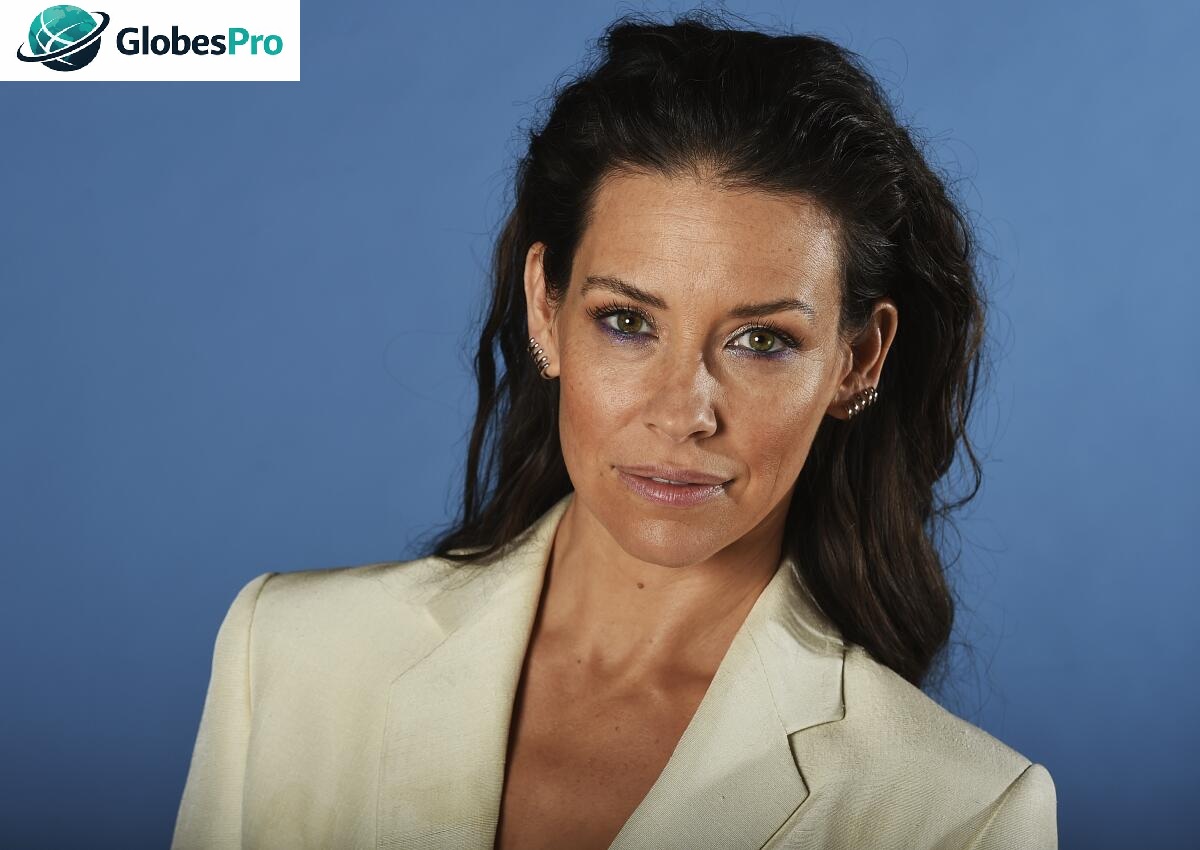
Evangeline Lilly is a Canadian actress, author, and activist best known for two career-defining roles — Kate Austen in the groundbreaking ABC drama Lost and Hope Van Dyne / The Wasp in Marvel’s Ant-Man franchise. Born on August 3, 1979, in Fort Saskatchewan, Alberta, she spent her early twenties working as a flight attendant to fund her university studies — with absolutely no intention of becoming an actress — before a chance encounter with a talent agent in 2004 redirected the entire trajectory of her life. Within months of that encounter she was one of the most watched actresses on American television.
If you’re here for a quick answer — Evangeline Lilly is a Canadian actress who rose to global fame playing Kate Austen in Lost (2004–2010), appeared in Peter Jackson’s The Hobbit trilogy as the elf warrior Tauriel, and became a central figure in the Marvel Cinematic Universe as The Wasp. She has two children with her long-term partner Norman Kali, has published a children’s book, and has consistently spoken about her genuine discomfort with celebrity culture throughout a career that has made her one of the most recognizable faces in global entertainment. Here is her complete story.
Quick Facts
| Detail | Information |
|---|---|
| Full Name | Nicole Evangeline Lilly |
| Date of Birth | August 3, 1979 |
| Place of Birth | Fort Saskatchewan, Alberta, Canada |
| Nationality | Canadian |
| Profession | Actress, Author |
| Known For | Lost, The Hobbit, Marvel MCU (The Wasp) |
| Partner | Norman Kali (2010–present) |
| Children | Two sons |
| Ex-Husband | Murray Hone (2003–2004) |
| Ex-Partner | Dominic Monaghan (2004–2007) |
| Book | The Squickerwonkers (2013) |
| Estimated Net Worth | $15 million |
| Golden Globe | Nominated — Best Actress Drama, 2006 |
Early Life and Background
Nicole Evangeline Lilly was born on August 3, 1979, in Fort Saskatchewan — a small city just outside Edmonton in Alberta, Canada. The family eventually relocated to British Columbia, where Evangeline spent most of her formative years growing up in what she has described as financially modest circumstances.
She was one of four children in a family where money was genuinely tight. From the age of 14, Evangeline was working — not as a childhood acting ambition but out of practical necessity, contributing to the household and funding her own needs. That early experience of financial pressure shaped her relationship with money and success in ways that would surface repeatedly in her later public statements about fame and materialism.
The University Years
Despite the financial constraints, Evangeline was academically ambitious. She enrolled at the University of British Columbia to study International Relations — a degree that reflects a serious intellectual engagement with the world rather than any entertainment aspiration. She wanted to understand geopolitics, diplomacy, and global power structures. Acting was not in the plan.
To fund her studies, she worked as a flight attendant — a job that requires genuine interpersonal skill, composure under pressure, and the ability to read people quickly. Skills, as it turned out, that translated rather well to acting.
She was working that flight attendant job, juggling university, and building an ordinary life in British Columbia when everything changed.
The Discovery — 2004
The Talent Agent
In 2004, Evangeline was approached by a talent agent in British Columbia. The agent saw something — a physical presence, a natural charisma, something that registered as potentially significant — and suggested she consider auditioning professionally.
Evangeline had no acting training. No formal preparation. No particular desire to be famous. By her own account, she was skeptical and resistant. Fame was not something she sought — a position she has maintained consistently across her entire career, which makes her eventual level of global recognition genuinely ironic.
She auditioned anyway. And the audition that mattered most led her directly to one of the biggest television productions of the decade.
Lost — The Audition
The casting process for Lost — a new ABC drama from J.J. Abrams about survivors of a plane crash on a mysterious island — was extensive. The show had an enormous ensemble cast and required actors who could sustain long-form dramatic work across potentially many seasons.
Evangeline auditioned for the role of Kate Austen — a fugitive with a complicated past who becomes one of the show’s central characters — and got it. She went from flight attendant to series regular on one of the most anticipated new shows of the television season in a matter of months.
The speed of that transition is genuinely remarkable. Most actors spend years — sometimes decades — building toward a role of that size. Evangeline essentially walked in off the street, albeit with natural gifts that the camera recognized immediately.
Lost — The Role That Made Her Famous
The Show
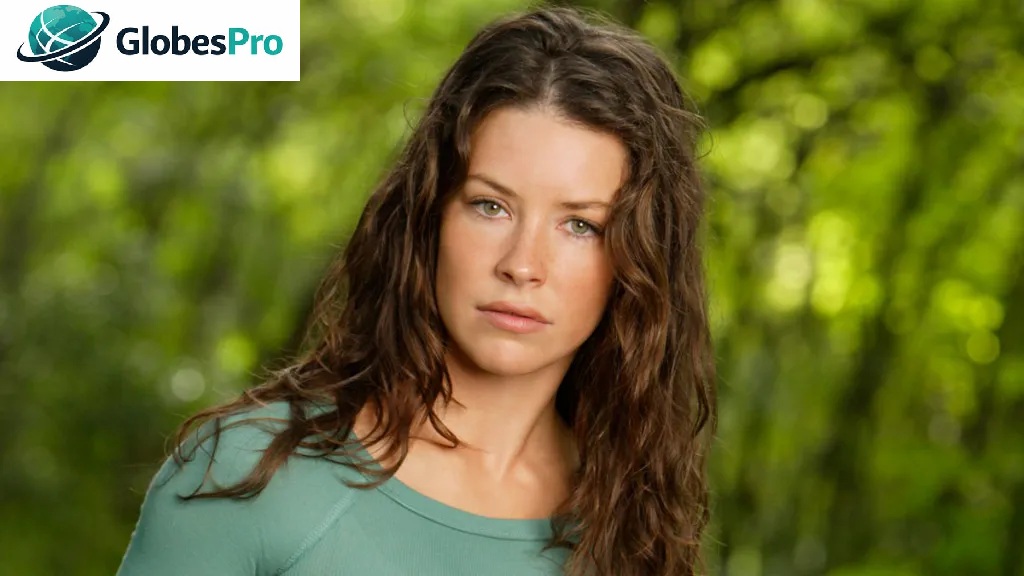
Lost premiered on ABC on September 22, 2004, and became one of the defining television events of the 2000s. Created by J.J. Abrams, Damon Lindelof, and Jeffrey Lieber, the show followed the survivors of Oceanic Flight 815 after their plane crashed on a remote and deeply mysterious island.
What made Lost different from other survival dramas was its extraordinary ambition — the island had supernatural properties, the characters had deeply interwoven backstories revealed through flashbacks, and the mythology expanded into time travel, alternate timelines, and existential philosophy. At its peak it was drawing over 20 million viewers per episode in the United States — numbers that feel almost mythological in today’s fragmented streaming landscape.
Kate Austen
Evangeline played Kate Austen — one of the show’s most complex and consistently central characters. Kate was a fugitive, haunted by what she had done and why, trying to build something new while the island kept pulling the past back to the surface.
The role demanded genuine dramatic range — physical action sequences, emotional vulnerability, moral ambiguity, and the kind of sustained character consistency across six seasons that separates good actors from great ones. Evangeline delivered all of it.
Her chemistry with Matthew Fox (Jack) and Josh Holloway (Sawyer) generated one of television’s great love triangle dynamics — audiences were passionately divided between Team Jack and Team Sawyer in ways that drove genuine cultural conversation for years.
Life During Lost — Behind the Scenes
Filming in Hawaii
Lost was filmed almost entirely on location in Hawaii — specifically Oahu, whose lush jungle terrain provided the visual environment the island demanded. For the cast, this meant living and working in Hawaii for the better part of six years — an unusual existence that combined the extraordinary beauty of the location with the isolation of being far from the entertainment industry’s main centers.
The physical demands of filming were genuine. The outdoor locations, the action sequences, the Hawaiian humidity — all of it required actors who were physically capable and mentally resilient. Evangeline handled it with the kind of athletic competence that would later serve her well in both The Hobbit and Marvel.
Dominic Monaghan
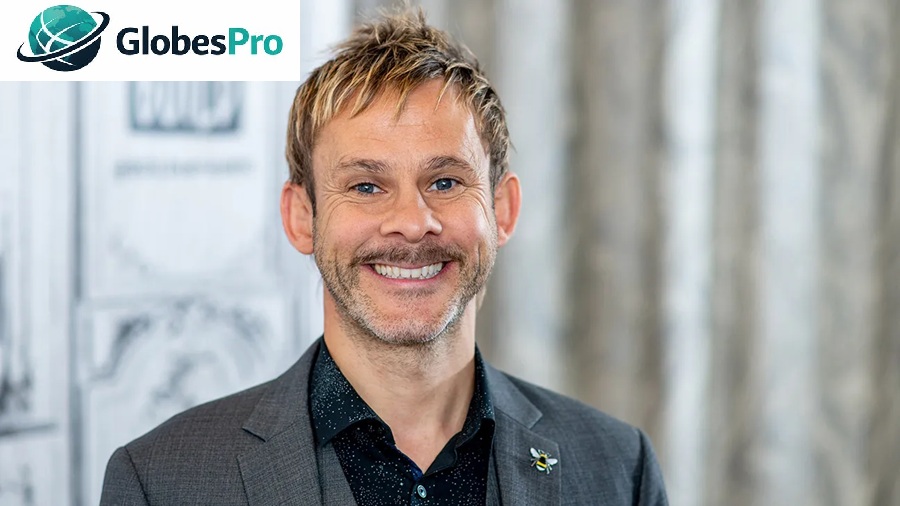
During the early years of Lost, Evangeline entered a relationship with co-star Dominic Monaghan — the British actor playing Charlie Pace, a musician with a complicated relationship with addiction. Their romance played out partly in public, given both parties’ rising profiles, and lasted approximately from 2004 to 2007.
The relationship ended, and Evangeline moved forward — eventually finding the more settled partnership with Norman Kali that has defined her personal life since approximately 2010.
Genuine Discomfort With Fame
One of the more consistently interesting aspects of Evangeline’s public persona during the Lost years was her transparent ambivalence about celebrity. She did not pretend to enjoy the attention. She spoke openly in interviews about finding fame uncomfortable, about missing the anonymity of her pre-Lost life, about the strangeness of being recognized everywhere after years of complete obscurity.
This honesty — unusual in an industry where actors typically perform enthusiasm for the trappings of success — made her more interesting to follow, not less.
Post-Lost Career — Finding Her Footing
The end of Lost in 2010 presented Evangeline with the challenge that faces every actor coming off a massively successful long-running series — how do you follow something that big without spending the rest of your career defined entirely by it?
Her post-Lost film work included Real Steel (2011) — a science fiction drama starring Hugh Jackman about robot boxing — in which she played a supporting role that demonstrated her ability to hold her own in a major studio production without the safety net of an established ensemble around her.
The more significant post-Lost move, however, came when Peter Jackson came calling.
The Hobbit — Tauriel and Middle Earth
The Casting
Peter Jackson’s decision to adapt J.R.R. Tolkien’s The Hobbit into a three-film trilogy created one of cinema’s most anticipated productions. The original Lord of the Rings trilogy had been a global phenomenon, and the return to Middle Earth generated extraordinary expectation.
Evangeline was cast as Tauriel — a character created specifically for the films, not present in Tolkien’s original novel. Tauriel is a Wood-elf warrior, Captain of the Elven Guard of Mirkwood, who becomes entangled in the dwarves’ quest and develops a romantic connection with the dwarf Kíli.
The Role
Playing Tauriel required extensive combat training — the character is an exceptional fighter whose action sequences demanded real physical capability. Evangeline trained for months to develop the fluid, precise fighting style that Wood-elves in Jackson’s Middle Earth are characterized by.
Working alongside Ian McKellen, Orlando Bloom, Richard Armitage, and the ensemble of dwarves gave her an experience that was, by her account, one of the most creatively fulfilling of her career.
The character was not without controversy — purists objected to the addition of a character not in the source material, and the romantic subplot involving Kíli divided audiences. But Evangeline’s performance was consistently praised, and Tauriel became one of the more memorable additions to Jackson’s Middle Earth.
Marvel — Becoming The Wasp
The Introduction — Ant-Man (2015)
Evangeline joined the Marvel Cinematic Universe in Ant-Man (2015), playing Hope Van Dyne — the daughter of original Ant-Man Hank Pym (Michael Douglas) and the original Wasp Janet Van Dyne (Michelle Pfeiffer). In the first film, Hope is a formidable presence who trains Scott Lang (Paul Rudd) while being denied the suit she clearly deserves more than he does.
The dynamic between Hope and Scott — competence vs. charm, seriousness vs. humor — generated immediate audience chemistry and set up the sequel perfectly.
Ant-Man and the Wasp (2018)
The sequel gave Hope exactly what the first film had withheld — the suit. As The Wasp, Hope Van Dyne became a full superhero in her own right, co-leading the film with Paul Rudd in what was one of the MCU’s more genuinely fun and tonally consistent entries.
Evangeline brought to The Wasp the same qualities that had defined her best work — physical capability, emotional intelligence, and a refusal to play the character as anything less than fully competent and fully human simultaneously.
Avengers: Endgame (2019)
The Wasp’s appearance in Avengers: Endgame — the culmination of over a decade of MCU storytelling — placed Evangeline in one of the most commercially successful films in cinema history. The ensemble battle sequence in the film’s final act, featuring virtually every Marvel hero, was a genuinely emotional cinematic moment for audiences who had invested years in these characters.
Quantumania (2023)
Ant-Man and the Wasp: Quantumania sent Hope and Scott into the Quantum Realm for a third standalone adventure. The film received mixed critical reviews but demonstrated the continued central importance of both characters to the MCU’s ongoing narrative.
Marvel Career Table
| Film | Year | Character | Notable Detail |
|---|---|---|---|
| Ant-Man | 2015 | Hope Van Dyne | MCU introduction; suit denied |
| Ant-Man and the Wasp | 2018 | Hope Van Dyne / The Wasp | Becomes full superhero |
| Avengers: Endgame | 2019 | The Wasp | Ensemble MCU culmination |
| Ant-Man and the Wasp: Quantumania | 2023 | The Wasp | Quantum Realm adventure |
Personal Life — Relationships and Family
Murray Hone

Evangeline’s first marriage — to Canadian hockey player Murray Hone in 2003 — lasted approximately one year before ending in divorce in 2004. The timing of the split coincided almost exactly with her casting in Lost — and while neither party has ever detailed the reasons for the divorce, the imminent and complete transformation of her life clearly represented a significant factor in whatever happened between them.
Dominic Monaghan
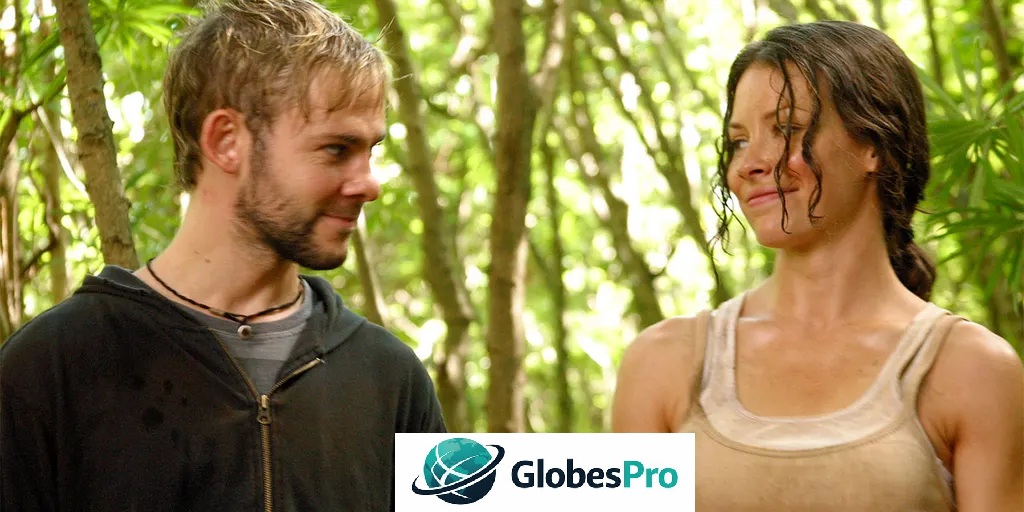
The relationship with Lost co-star Dominic Monaghan lasted from approximately 2004 to 2007. It was higher profile than the Hone marriage simply because both parties were now public figures navigating their relationship in the context of a globally watched television show.
Norman Kali

Since approximately 2010, Evangeline has been in a long-term relationship with Norman Kali — a production assistant she met through the entertainment industry. The relationship has been notably stable and private — consistent with Evangeline’s broader approach to personal life.
They have two sons together, whose names and personal details Evangeline has kept carefully out of public circulation. She has spoken about motherhood with evident warmth and has described her children as the central priority of her life.
Relationships Timeline
| Partner | Years | Details |
|---|---|---|
| Murray Hone | 2003–2004 | Brief marriage; hockey player |
| Dominic Monaghan | 2004–2007 | Lost co-star relationship |
| Norman Kali | 2010–present | Long-term partner; two sons |
The Author — The Squickerwonkers
In 2013, Evangeline published The Squickerwonkers — a children’s book she had actually been working on for years before its eventual release. The book features a cast of puppet characters called Squickerwonkers who each represent a different vice, aimed at teaching children about character through imaginative storytelling.
The project reflected genuine creative investment rather than celebrity cash-in — she had developed the concept long before her Marvel career gave her the profile to easily publish anything. A sequel followed, demonstrating continued commitment to the project.
The book was warmly received and confirmed what her acting work had always suggested — that Evangeline Lilly has genuine creative instincts that extend beyond performing other people’s material.
Controversy — COVID-19 Statements (2020)
In early 2020, as the COVID-19 pandemic began shutting down public life globally, Evangeline posted on social media about attending her children’s gymnastics camp despite lockdown measures — stating that she believed in freedom of choice and implying skepticism about the severity of the situation.
The reaction was swift and largely negative. Colleagues, fans, and commentators criticized the posts as irresponsible and tone-deaf to the genuine danger the pandemic represented for vulnerable people.
Evangeline subsequently posted a more fulsome acknowledgment of the hurt her posts had caused — expressing genuine concern for those affected and walking back the more dismissive elements of her original position.
The controversy was a genuine blemish on her public image and generated the most critical media coverage of her career. How much lasting damage it caused is difficult to assess — her subsequent Marvel work continued without apparent industry consequence, but the episode remains part of her public record.
Activism and Personal Values
Outside of the COVID controversy, Evangeline’s public statements on values and lifestyle reflect a consistent philosophical position — genuine skepticism about materialism, discomfort with the entertainment industry’s excesses, and a desire to live with more intention than celebrity culture typically allows.
She has spoken about:
- Environmental concerns and sustainable living
- Spirituality as a personal anchor outside of professional identity
- Rejection of materialism — repeatedly expressing preference for a simpler life
- Fame’s costs — the loss of privacy and ordinary human experience
- Motherhood as the most meaningful part of her life
These positions feel genuine rather than performed — they are consistent across many years of interviews and don’t appear to be carefully managed PR positioning.
Net Worth and Financial Overview
Her net worth is $15 million reflects a career built on sustained quality work across multiple major franchises rather than a single windfall. The MCU in particular has been financially significant — Marvel’s salary structures for established characters in ensemble films are substantial.
Frequently Asked Questions
Q: Who is Evangeline Lilly? Evangeline Lilly is a Canadian actress best known for playing Kate Austen in Lost and Hope Van Dyne / The Wasp in Marvel’s Ant-Man franchise.
Q: What is Evangeline Lilly’s most famous role? Most people cite either Kate Austen in Lost — which earned her a Golden Globe nomination — or The Wasp in the MCU as her most significant role.
Q: Is Evangeline Lilly married? She is not currently married — she is in a long-term relationship with Norman Kali, with whom she has two sons.
Q: What is Evangeline Lilly’s net worth? Her estimated net worth is approximately $15 million, accumulated across Lost, The Hobbit, and multiple Marvel films.
Q: Is Evangeline Lilly still in the MCU? Her future in the MCU beyond Quantumania has not been officially confirmed — Marvel’s post-Endgame phase has involved significant cast changes and restructuring.
Q: Did Evangeline Lilly write a book? Yes — she published The Squickerwonkers in 2013, a children’s book featuring puppet characters representing different vices, with a sequel following later.
Conclusion
Evangeline Lilly’s career arc is one of the more genuinely unusual in modern Hollywood — not because of the roles she played, impressive as they are, but because of the person who played them.
There is something genuinely compelling about a person who achieves extraordinary things in a field they didn’t seek — and who continues to achieve them while maintaining an honest ambivalence about what achieving them has cost.
Evangeline Lilly went from a British Columbia flight attendant to an Avenger. The journey was never the plan. But somewhere along the way, it became the story — and it turns out to be a pretty good one.
