

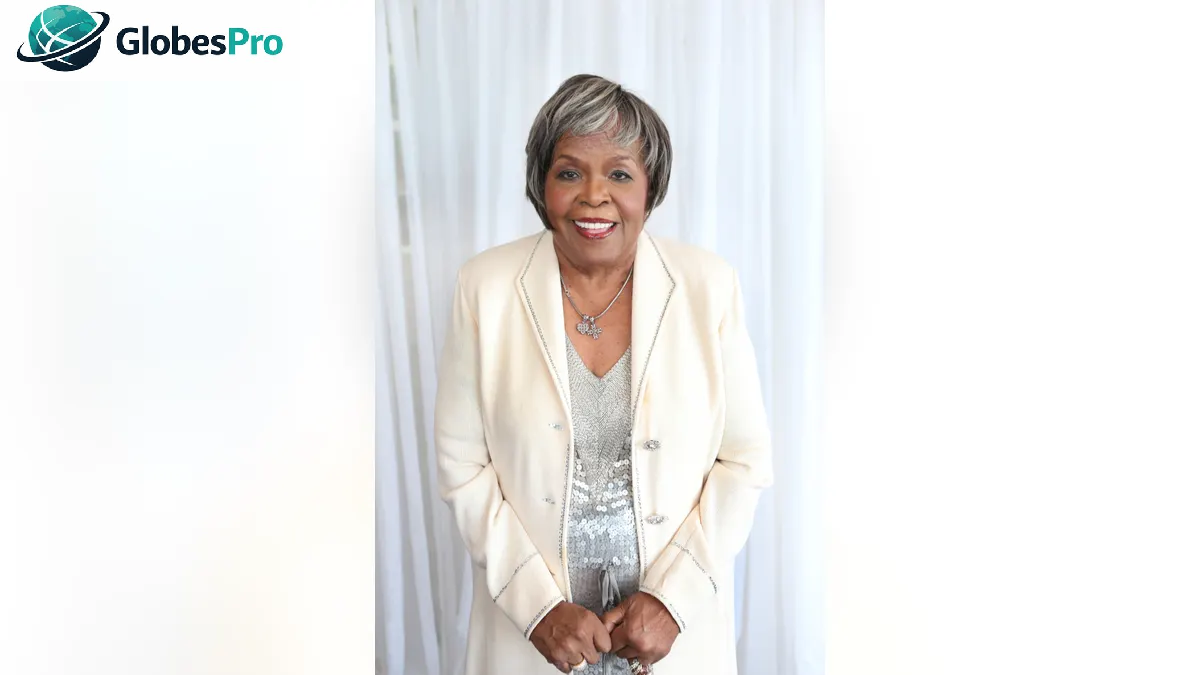
Vernita Lee was the mother of media mogul Oprah Winfrey, a woman whose life story embodies the struggles of African-American single mothers in mid-20th century America and whose complex relationship with her famous daughter illustrates how reconciliation and healing are possible even after decades of pain and distance.
| Vernita Lee | |
|---|---|
| Born | May 2, 1935 |
| Birthplace | Kosciusko, Mississippi, United States |
| Died | November 22, 2018 (Thanksgiving Day) |
| Age at Death | 83 years old |
| Place of Death | Milwaukee, Wisconsin (her home) |
| Occupation | Housemaid/Housekeeper |
| Primary Residence | Milwaukee, Wisconsin (most of adult life) |
| Children | Oprah Winfrey (born 1954), Patricia Lee Lloyd (deceased 2003), Jeffrey Lee (deceased 1989), Patricia Lofton (given up for adoption 1963) |
| Grandchildren | Alisha Hayes, Chrishaunda Lee Perez, Aquarius Lofton, Andre Brown |
| Partner | Vernon Winfrey (Oprah’s father, brief relationship) |
| Known For | Mother of Oprah Winfrey, housemaid, overcoming adversity |
| Challenges | Single motherhood, poverty, racial segregation, unskilled labor |
| Notable Appearance | The Oprah Winfrey Show makeover (1990) |
| Reconciliation | Early 1990s with daughter Oprah |
| Final Years | Comfortable retirement supported by Oprah |
| Funeral | Private service held shortly after death |
Born in segregated Mississippi in 1935, Vernita Lee became a teenage mother at age 18 when she gave birth to Oprah in 1954, the result of a brief relationship with Vernon Winfrey, a young soldier. Facing limited opportunities as a young, unmarried Black woman in the Jim Crow South, she made the difficult decision to leave her daughter with her mother and move north to Milwaukee in search of better employment opportunities.
Her life as a housemaid in Milwaukee was marked by financial struggles, multiple children, and the overwhelming challenges of single parenthood that ultimately led to a fractured relationship with Oprah that would take decades to heal. Despite providing for her children’s basic needs, Vernita’s circumstances prevented her from offering the emotional nurturing and stable home environment that Oprah needed during her formative years.
The relationship between mother and daughter remained strained for many years, with Oprah publicly acknowledging that she did not communicate with her mother for a seven-year period. However, in the early 1990s, reconciliation began when Vernita appeared on The Oprah Winfrey Show for a makeover, marking the start of a healing process that would continue until Vernita Lee’s peaceful death on Thanksgiving Day 2018, surrounded by the knowledge that she had “lived a good life.”
Growing Up in Segregated Mississippi
Vernita Lee was born on May 2, 1935, in Kosciusko, Mississippi, a small town in the heart of the segregated South. Her childhood occurred during some of America’s darkest racial periods, when Jim Crow laws enforced strict racial separation and Black Americans faced systematic oppression, limited educational opportunities, and economic marginalization.
Growing up in rural Mississippi during the 1930s and 1940s meant experiencing poverty, witnessing racial violence, and understanding from an early age that opportunities would be severely limited by the color of her skin. The agricultural economy of Mississippi offered little to young Black women beyond domestic work or field labor, both poorly compensated and offering no path to advancement.
Education for Black children in Mississippi during this era was grossly inadequate—segregated schools received a fraction of the funding that white schools did, school years were shorter to accommodate agricultural labor needs, and many children left school early out of economic necessity. Vernita’s lack of formal education would later limit her employment options throughout her life.
Despite these challenges, Vernita developed resilience and determination to survive in a world stacked against her. These qualities would later help her navigate single motherhood in an unforgiving economic environment, though they couldn’t shield her children from the hardships that poverty creates.
Teenage Motherhood: Oprah’s Birth
At age 18, Vernita Lee met Vernon Winfrey, a young soldier stationed away from home. Their brief relationship resulted in pregnancy, and on January 29, 1954, Vernita gave birth to a baby girl she named Orpah, after a biblical character. The baby would become known as Oprah because people consistently mispronounced her given name.
Vernon Winfrey learned he was a father when Vernita sent him a birth announcement clipping with a note attached that simply said “Send clothes!” This communication method reflected the distance between them—both geographical and relational. They were not married, not living together, and not planning a future as a couple.
Neither young parent was in a position to provide stable care for a baby. Vernon was serving in the military with limited resources and uncertain future prospects. Vernita, at just 18, faced the reality of single motherhood in 1950s Mississippi with no education, no job skills, and no support system beyond her own mother.
The circumstances forced difficult decisions about Oprah’s care. For the first six years of her life, Oprah was raised by her maternal grandmother, Hattie Mae, on a farm in Kosciusko. This arrangement allowed Vernita to pursue economic opportunities while ensuring her daughter received care, though it meant being separated from her child during crucial early developmental years.
Hattie Mae provided the stability, education, and emotional nurturing that shaped Oprah’s early development. She taught Oprah to read by age three, encouraged her to speak publicly in church, and built her granddaughter’s self-esteem and confidence. These early years with her grandmother created foundations that would later enable Oprah’s success, compensating somewhat for what Vernita couldn’t provide.
The Move to Milwaukee: Seeking Opportunity
At age 20, Vernita made the decision to migrate north to Milwaukee, Wisconsin, joining the Great Migration that saw millions of African Americans leave the South seeking better economic opportunities and escaping Jim Crow oppression. Milwaukee’s industrial economy promised employment that simply didn’t exist for Black women in rural Mississippi.
In Milwaukee, Vernita found work as a housemaid, cleaning homes for white families. The work was physically demanding, the hours were long, and the pay was modest, but it represented economic advancement compared to options available in Mississippi. Domestic work was one of few employment paths open to Black women with limited education during this period.
Life in Milwaukee wasn’t easy. Vernita lived in the city’s predominantly Black neighborhoods, areas that faced housing discrimination, underfunded schools, and limited economic opportunities despite being in the urban North. The promised land of northern cities often delivered only marginally better conditions than the South, with racism manifesting in different but still oppressive forms.
The work schedule of a housemaid made child-rearing extremely difficult. Long, irregular hours, low wages that necessitated multiple jobs, and the physical exhaustion of cleaning other people’s homes left little time or energy for focused parenting. This reality would create challenges once Vernita reunited with Oprah.
Reuniting with Oprah: A Difficult Transition
When Oprah was six years old, Vernita brought her daughter to Milwaukee. The reunion was not the joyful mother-daughter connection that fairy tales promise. Oprah later described meeting “this woman who I’m told is my mother” and feeling “none of the normal feelings—love, joy at being together again.”
For Oprah, the transition was traumatic. She left the rural farm where her grandmother had provided stability, education, and affection, moving to an unfamiliar urban environment with a woman who was essentially a stranger. The Milwaukee apartment felt cramped and foreign compared to the farm’s open spaces.
The household situation was chaotic. Vernita had given birth to another daughter, Patricia Lee Lloyd, and was struggling to care for two children on a housemaid’s wages. The economic pressures created constant stress, and Vernita lacked the emotional resources to provide the nurturing that young children need.
Disturbingly, during this period living with her mother, Oprah was sexually assaulted by multiple family members and acquaintances—her cousin, an uncle, and a family friend. The abuse occurred in Vernita’s home, though whether Vernita knew about it at the time remains unclear. What is certain is that the environment failed to protect young Oprah from predatory adults.
At one point, Oprah literally slept on the porch of the boarding house where Vernita resided, a detail that speaks to the overcrowded, inadequate living conditions. This experience of homelessness, even as a child living with her mother, would later inform Oprah’s understanding of poverty and her philanthropic focus on housing and children’s welfare.
Back and Forth: The Vernon Winfrey Years
Recognizing that she couldn’t adequately care for Oprah, Vernita Lee sent her daughter to live with Vernon Winfrey in Nashville, Tennessee when Oprah was about eight years old. Vernon had established a more stable life—he had left the military, become a barber, married a woman named Zelma, and created a structured household.
The contrast between Vernon’s home and Vernita’s was stark. Vernon and Zelma emphasized education, had clear rules and expectations, maintained a stable household routine, and provided the structure that helps children thrive. Under Vernon’s care, Oprah began to flourish academically and developmentally.
However, in the summer of 1963, Vernita asked for Oprah to visit Milwaukee for the summer. When Vernon came to collect his daughter at summer’s end, Vernita refused to let Oprah return to Nashville. Vernon later told The Washington Post this was the only time he ever cried about his daughter, knowing that returning to Vernita’s chaotic environment would harm Oprah’s development.
Unfortunately, his fears proved accurate. Back in Milwaukee as a teenager, Oprah became rebellious, lying and stealing. The instability of Vernita’s household, combined with normal adolescent challenges and the trauma of past abuse, created perfect conditions for troubled behavior. Oprah ran away from home at one point, seeking escape from an intolerable situation.
At age 14, Oprah became pregnant, likely the result of sexual abuse rather than consensual activity given her age and history of assault. When Vernita discovered the pregnancy, her response was to punish Oprah and attempt to place her in a detention center for wayward girls. Only the lack of available space at the facility prevented this placement.
Instead, Vernita sent the pregnant Oprah back to Nashville to live with Vernon. Two weeks after arriving in Tennessee, Oprah gave birth prematurely to a baby who died shortly after birth. Vernon viewed the tragedy as an opportunity for a fresh start, helping Oprah redirect her life toward education and achievement.
Additional Children and Hidden Secrets
Beyond Oprah and Patricia Lee Lloyd, Vernita had two more children. She gave birth to a son, Jeffrey Lee, who would later die in 1989. She also had another daughter, Patricia Lofton, born on April 26, 1963.
However, Vernita made the heartbreaking decision to give Patricia Lofton up for adoption at birth, leaving the newborn at the hospital. This daughter’s existence remained a secret from Oprah and the rest of the family for nearly 50 years, a burden of shame that Vernita carried silently for decades.
The decision to relinquish Patricia for adoption reflected Vernita’s recognition that she was already overwhelmed caring for the children she had. Single motherhood with limited income, no education, and minimal support made each additional child an insurmountable challenge. Yet the secrecy surrounding this decision suggests deep shame about circumstances that were largely beyond her control.
Patricia Lofton would eventually discover her connection to the Lee family in 2010, learning that her biological mother was Vernita Lee and that Oprah Winfrey was her half-sister. When confronted with this revelation, Vernita initially denied it out of shame before eventually acknowledging the truth.
The lives of Vernita’s children reflect the challenges she faced. Jeffrey Lee died young in 1989. Patricia Lee Lloyd died in 2003 at age 43. Only Oprah and Patricia Lofton (given up for adoption) survived their mother, though both carried scars from their difficult childhoods.
Seven Years of Silence
The accumulated pain, trauma, and dysfunction in Oprah and Vernita’s relationship eventually led to a complete breakdown in communication. In an October 1993 Ebony interview, Oprah revealed that she did not see or hear from her mother for seven years.
“So when she shows up, I’m like, ‘Well, what am I supposed to feel? What’s a daughter supposed to feel like?'” Oprah said, describing the confusion and anger that prevented reconciliation during this period. The emotional wounds from childhood—the neglect, the abuse that occurred in Vernita’s home, the instability, the teenage pregnancy punishment—created barriers that seemed insurmountable.
During this estrangement, Oprah’s career was taking off. She became a national television personality, then launched The Oprah Winfrey Show in 1986, which became a cultural phenomenon. Her success happened entirely separate from her relationship with Vernita, driven by the foundations her grandmother and father had provided rather than anything Vernita contributed.
Yet despite the estrangement and hurt, Oprah turned to her faith for guidance about her obligations to her mother. “What you owe your parents is honor and respect because that’s what the Bible tells me,” she explained. This biblical principle led her to provide financial support for Vernita even during their years of non-communication.
“And so I have provided a great economic life for both my parents,” Oprah stated, acknowledging that while emotional connection remained broken, she felt obligated to ensure her mother’s material needs were met. This separation of financial support from emotional relationship allowed Oprah to fulfill what she saw as her duty without forcing a reconciliation she wasn’t ready for.
Reconciliation: The 1990 Makeover
The turning point in their relationship came in the early 1990s when Vernita Lee appeared as a guest on The Oprah Winfrey Show. During the episode, one of Oprah’s assistants gave Vernita a makeover, transforming the former housemaid’s appearance and perhaps symbolically representing the transformation beginning in their relationship.
The makeover episode occurred during a difficult period for Vernita—she was dealing with the death of her son Jeffrey, who had died in 1989. The grief and loss may have created openness to reconnection with Oprah, recognizing the fragility and preciousness of family relationships.
For Oprah, extending this public olive branch required vulnerability and willingness to risk further hurt. Inviting her mother onto her show meant exposing their complicated relationship to millions of viewers and opening herself to criticism about family matters she had previously kept private.
The reconciliation didn’t erase the past or suddenly create the idealized mother-daughter relationship that neither had experienced. Instead, it represented acceptance of what was possible between them—a relationship based on mature understanding rather than childhood needs or fairy-tale expectations.
In a joint interview during the 2000s, Oprah demonstrated this acceptance, discussing her mother’s circumstances with empathy: “When I was in Milwaukee, my mom was raising me as well as a half-sister, who is now dead, and half-brother, who is now dead, as a single woman in Milwaukee—basically, no education, unskilled, in the ’60s. Very, very hard. The sacrifice that that requires, day in and day out, to give up yourself is a lot.”
This statement shows Oprah’s evolved perspective—recognizing that Vernita did her best within impossible circumstances, even if that best fell short of what Oprah needed as a child.
The Final Secret Revealed
In 2010, the discovery of Patricia Lofton created another challenge for Vernita and Oprah’s relationship. When Patricia discovered through adoption records and investigation that Vernita was her biological mother, the long-held secret threatened to unravel the fragile reconciliation that had been building for two decades.
Initially, Vernita denied having given up a child for adoption, the shame of that decades-old decision still powerful enough to provoke lies. But the evidence was irrefutable—DNA testing confirmed Patricia’s biological connection to the Lee family.
In 2011, Oprah invited both Vernita and Patricia onto her show to discuss the situation publicly. The episode was emotional, with truths finally spoken after 48 years of secrecy. Oprah encouraged her mother to release the shame she had carried for so long.
“To my mother, I say, ‘You can let this shame go,'” Oprah told Vernita during the show, offering forgiveness and understanding for a decision made out of desperation rather than malice. Patricia echoed this sentiment, telling Vernita she forgave her for the adoption decision.
The revelation could have destroyed their relationship, exposing lies and reopening old wounds. Instead, it became an opportunity for deeper healing as both Oprah and Patricia chose grace over judgment, recognizing that Vernita’s circumstances in 1963 left her with no good options.
Comfortable Retirement and Final Years
Following the success of The Oprah Winfrey Show and Oprah’s accumulation of wealth, Vernita was able to retire comfortably. Oprah ensured her mother had financial security, a home in Milwaukee, and the material comfort that had eluded her throughout her working years.
However, this financial support sometimes created complications. In 2008, a fancy Milwaukee clothing store called Valentina sued Vernita for an outstanding bill exceeding $155,000. Vernita’s defense was a countersuit arguing she wasn’t liable because the store exploited her “lack of knowledge, ability, and capacity” regarding debt.
The lawsuit revealed tensions around Vernita’s spending and perhaps suggested that having money after a lifetime of poverty created challenges she wasn’t equipped to handle. The incident may have strained her relationship with Oprah, though both kept such matters private.
According to a 2011 book about Oprah by Kitty Kelley, sources claimed Oprah had a strained relationship with Vernita even during her later years. “She does not like her mother, she does not give her phone number to her mother, but she has taken good, good care of her,” the author reported.
This description rings true with Oprah’s own statements—she fulfilled her obligations, provided generously, but maintained boundaries around emotional intimacy. The relationship existed on terms Oprah could manage, neither fully estranged nor deeply close.
During a 2013 OWN master class, Oprah discussed learning to “meet people—including her own mother—where they are and love them at the level they can receive it.” This wisdom reflected acceptance that Vernita couldn’t be the mother Oprah wished she’d had, but could be who she was, and that limited relationship was better than none.
Thanksgiving 2018: A Peaceful Death
On November 22, 2018—Thanksgiving Day—Vernita Lee died peacefully at her home in Milwaukee at age 83. Her death came while Oprah was in Santa Barbara, California, celebrating Thanksgiving with girls from the Leadership Academy she founded in South Africa, girls who had become like honorary daughters to her.
In the weeks before her death, Vernita had been in hospice care. Oprah flew to Milwaukee to be with her mother during this time, seeking the right words for goodbye after a lifetime of complicated relationship.
Oprah later told People magazine about struggling to find the perfect farewell. She came across a book about “little conversations” that helped her think about what needed to be said. “I was praying for a way in,” she explained, seeking both truth and an ideal parting.
She talked with her mother about what dying felt like, what it meant to be near the end. Understanding that Vernita knew death was approaching, Oprah told family members: “She knows it’s the end, so if you want to say goodbye, you should come and say goodbye.”
Music became the bridge Oprah sought. She called gospel singer Wintley Phipps, who sang “Precious Lord, Take My Hand” to Vernita via FaceTime. She played Joshua Nelson singing “How I Got Over.” The music opened Vernita emotionally in ways that words couldn’t.
“I could see that it opened her a little bit, because my mother’s been a very closed down person,” Oprah observed, recognizing that even at the end, emotional vulnerability remained difficult for Vernita.
Most significantly, Patricia Lofton—the daughter Vernita had given up for adoption and carried shame about for 55 years—told her mother she forgave her. This grace from the daughter who had every right to resent being abandoned provided Vernita peace as she approached death.
Oprah told her mother: “You should be able to go in peace. Nobody’s going to force you to do what you don’t want to do. Your body’s shutting down. What I want it to be is as peaceful as possible.”
Vernita died on Thanksgiving surrounded by this love and forgiveness, her complicated life concluding with the peace and acceptance she had been denied for so long.
Legacy and Lessons
Oprah posted a family photo on Instagram following her mother’s death: “Thank you all for your kind words and condolences regarding my mother Vernita Lee’s passing. It gives our family great comfort knowing she lived a good life and is now at peace.”
That simple statement—”lived a good life”—represents profound grace. Vernita’s life was marked by teenage pregnancy, poverty, single motherhood, racial oppression, limited education, back-breaking work, and relationships with her children that ranged from strained to estranged. Yet Oprah chose to honor what was good and meaningful rather than dwelling on what had been difficult.
Private funeral services were held shortly after Vernita’s death. Memorial donations were directed to Feeding America in her name, appropriate for someone who had known hunger and struggle throughout much of her life.
Vernita Lee’s story illuminates truths about poverty, racism, and motherhood in mid-20th century America. She was not a villain but a woman failed by systems that should have supported her—denied education, economic opportunity, childcare assistance, and the resources that make successful parenting possible.
Her relationship with Oprah demonstrates that even deeply fractured family bonds can heal when both parties choose grace over resentment, understanding over judgment, and acceptance over impossible expectations. The reconciliation came not from pretending the past didn’t happen, but from acknowledging it honestly while choosing to move forward differently.
For Vernita Lee, the arc of her 83 years bent ultimately toward peace—a peace that came through her daughters’ forgiveness, Oprah’s support, and the release of shame she had carried for too long, finally understanding that she had done her best in circumstances beyond her control.
